

The Gokyo Lake trek sits in the moderately challenging range in terms of difficulty and takes you into quieter, more remote parts of the Everest region. It is not a technical trail, but that does not make it easy.
The trek to Gokyo Lakes passes through high-altitude terrain, and takes over a week to compete. So, the difficulty mainly lies in the elevation along with the length of the time spent on the trail.
Days on the trail are fairly long — usually 5 to 7 hours on foot — and the terrain is not always consistent. Some sections are straightforward, while others feel slower due to uneven ground and gradual climbs.
Most itineraries (including those by Radiant Treks) run for about 10 days, moving from Lukla through Namche Bazaar and further up the valley before reaching Gokyo. Because of this, the difficulty builds gradually rather than all at once.
Altitude is where the experience starts to change. By the time you reach Gokyo Ri (5,357m), the thinner air becomes noticeable. Even well-prepared trekkers tend to slow down here. But this is something normal at that elevation. Without proper acclimatization, the risk of altitude sickness remains.
Overall, the trek to Gokyo Lakes demands patience more than anything else. Fitness helps, but pacing matters just as much.
What Makes the Gokyo Lake Trek Difficult?
Remote and Rugged Terrain
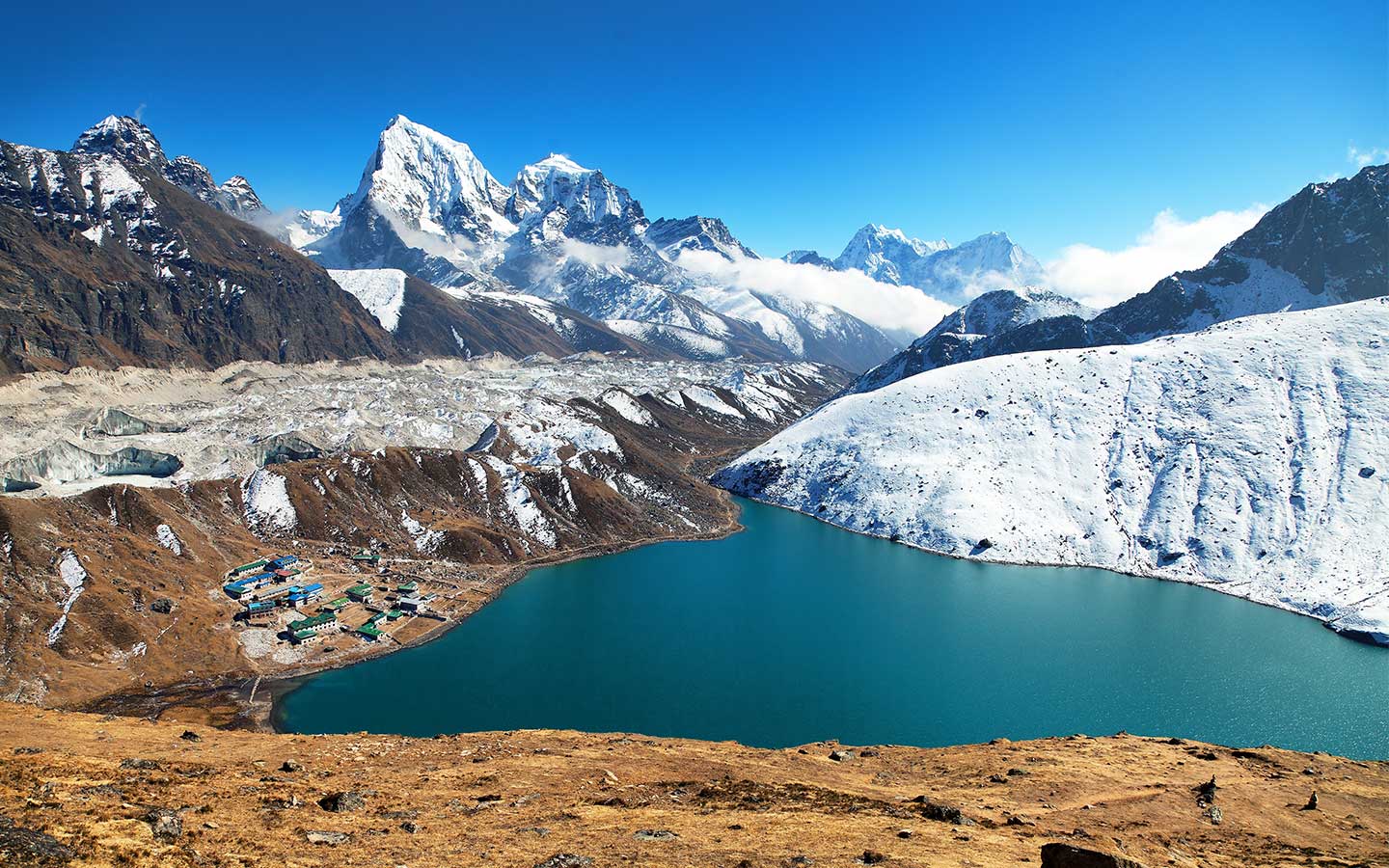
The Gokyo Lake Trek passes through remote and off-the-beaten trails. The steep trails make it difficult for trekkers even if they have trekked at n high altitudes before. The trek passes through dusty surfaces and also moves up and down a lot.
Moreover, trekkers should follow a proper training routine at least two to three months before the trek. Physical fitness, stamina, and endurance are all essential for the terrain leading to the Gokyo Lakes.
High Altitude and Altitude Sickness
The Gokyo Valley Trek is a high-altitude trek with a high risk of altitude sickness. It is one of the biggest challenges of this trek and must be tackled well, as it can turn dangerous. The rapid ascents and significant altitude gain in a short period can increase the risk of altitude sickness.
We will gain the maximum altitude of 5,357 m (Gokyo Ri) during the trek in a span of a few days. Low oxygen levels and air pressure in these high-altitude conditions make breathing difficult. Headache, nausea, diarrhea, insomnia, and loss of appetite are common symptoms of altitude sickness, which can turn fatal if not treated well.
You should walk slowly, descend to lower altitudes, or even quit the trek if altitude sickness persists. There are facilities of emergency evacuation via helicopter as well during the Gokyo Lake trek. Alcoholic beverages can cause dehydration, which can lead to altitude sickness in high-altitude regions. Altitude sickness does not have any age limit and can affect anyone from any gender or physical condition.
Weather Conditions
The weather conditions in high-altitude regions remain quite unpredictable. The cold temperature and freezing conditions can be a challenge for trekkers. Trekking in the off-season is even more challenging.
Moreover, there are higher chances of landslides and avalanches during the summer monsoon seasons. Thus, the difficulty of the Gokyo lake trek is also dependent on weather conditions in Everest region.
Long Distance
The long-distance walks make the Gokyo Lakes trek quite challenging as compared to the Everest Base Camp trek. The daily walk duration also increases. You cover a distance of 92 kilometers during this trek. For that, you will have to walk around 9 to 10 kilometers per day, which is around 5 to 6 hours of walk.
Meanwhile, walking hours depend on the pace and capacity of trekkers. Therefore, long-distance walking makes this trek to Gokyo Lakes quite demanding. Rest and acclimatization along trek are essential for a more comfortable experience.
Accommodation and Meal Facilities

Gokyo Lake Trek is a teahouse trek — you will stay in local-run teahouses along trails. Spring and autumn are the peak season for trekking in Nepal which means the teahouses can get quite crowded in these seasons.
As such, finding proper accommodation can be difficulty, and you may have to share rooms . Facilities become more limited at higher altitudes, and you might need to wait for basic services.
Food options are limited, and waiting times can be longer during peak seasons. The surroundings can sometimes be noisy, especially if you prefer a quieter environment. Booking in advance can help reduce these issues.
Trek Duration
This trek has an average duration of 10 days. You will cover approximately 10 km per day while trekking for 5 to 7 hours. Trekkers often find the duration challenging, especially if they are not sued to multi-day trekking.
Regular acclimatization and hydration help make the trek more manageable and reduce the risk of altitude sickness. Adding test days to the itinerary can further improve comfort..
Heavy Backpacks and Luggage
Heavy luggage is another factor adding to the Gokyo Lake trek difficulty. Carrying weight over rugged terrain is not easy, so trekkers should pack only essential items.
You can also hire a porter to help carry your load. This reduces physical strain and allows you to focus more on the trek iteself.
Difficulty of Gokyo Lake Trek Due to Weather Conditions
How Difficult is Gokyo Lake Trek in Peak Seasons?
Autumn (September to November) and spring (March to May) are peak trekking seasons in Nepal. While these months offer clearer skies and stable conditions, the Gokyo Lakes trek difficulty can still be influenced by a few factors. They are are as follows:
Unpredictable weather: Even in peak seasons, weather at high altitude can change quickly. Clear mornings can turn windy or cloudy later in the day, so checking the forecast before starting each day of the trek is important.
Accommodation and food: Since there are more trekkers on the trail during peak months, it can be difficult to find proper accommodation and food. Teahouses may fill up quickly, so booking in advance helps avoid inconvenience.
Crowded trails: Crowded are a common challenge during autumn and spring. If you prefer trekking in peace and trek in peace and solitude, this can affect your overall experience.
Gokyo Lake Trek Difficulty in Off-Season
Summer (June to August) and winter (December to February) are generally considered the off-season for trekking in Nepal. Some of the challenges in the off-season are as follows:
Summer (Monsoon) Gokyo Lake Trek Difficulty
Leech infested trails: The summer-monsoon season brings leeches due to heavy rainfall, especially in forested lower sections. Trekkers can carry salts or insect repellent to manage this along the trek.
Hot and humid temperature: Heavy rainfall, along with hot and humid conditions, especially in lower regions, makes the trek more tiring. Hence, regular hydration and short breaks essential.
Wet and slippery trails: Wet and slippery trails caused by heavy rainfalls make walking slower and increase the risk of slips.
Winter Gokyo Lake Trek Difficulty
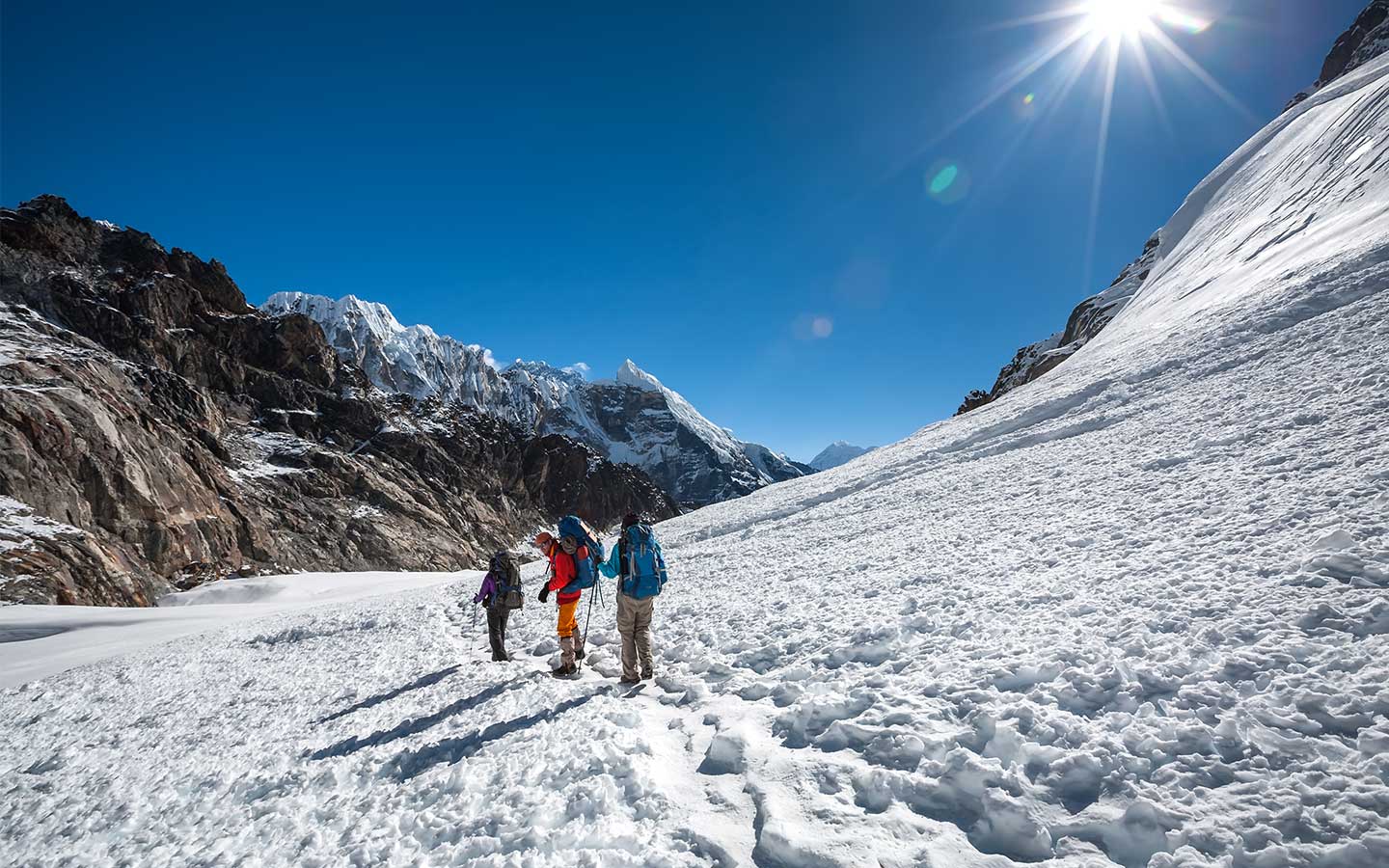
Snow-covered trails: Trekkers may have to walk on snow-covered and sometimes icy trails at higher altitudes. Proper footwear, including boots and crampons when needed, becomes important.
Extremely cold weather: The Himalayan region becomes extremely cold, and Gokyo Ri often remains frozen during this time. Trekkers need proper layering and warm gear for the trek. Snowstorms and avalanches in winters are also possible, especially at higher elevations.
Some Measures to Tackle Altitude Sickness

Carry Diamox tablets for altitude sickness
You can take medication such as Diamox to help manage altitude sickness. You should consult your physician, especially if you are already taking other medications. Diamox can help reduce symptoms of altitude sickness at high altitude, but it should be used with proper guidance.
Walk gradually and at a gentle pace
A slow and steady walk is key for any high-altitude trek including the Gokyo Lakes trek. Trekkers should avoid gaining more than around 300-500 meters of altitude per day. This helps the body acclimatize properly to changing altitude conditions. Drinking water regularly is also important, as dehydration can increase the risk of altitude.
Eat a nutritious and balanced diet
A balanced diet is important during this demanding trek and helps maintain energy levels. Trekking for long hours burns calories quickly, so it is necessary to eat regularly and maintain proper nutrition. Meals that include carbohydrates, fiber, protein, and whole grains are suitable for this high-altitude trekking. You should also drink at least 2-3 liters of water per day to stay hydrated and reduce the risk of altitude sickness.
Best Time for the Gokyo Lake Trek and Difficulty
The Gokyo Lake trek is a moderately challenging trek in the Everest region. Autumn and spring are the best seasons for trekking in Nepal, and this applies to the Gokyo Valley trek as well. Choosing the right time can help reduce the overall difficulty of the trek.
The months of September to November (autumn) are the peak trekking season. Stable weather conditions and moderate temperatures are the highlights of the trek during this time. You can also observe snow-capped mountains in all their glory clearly under blue skies, which makes the experience more enjoyable and predictable.
Moreover, the months of March to April (spring) are a scenic time for trekking in the region. There are favorable temperatures and relatively lower precipitation, and trails are often lined with blooming rhododendron forests.
In contrast, trekking in winter months of December to February is more challenging due to cold temperatures and snow at higher altitudes. This can slow progress and make conditions more demanding.
Furthermore, the months of June to August (monsoon) bring heavy rainfall, which increases the chance of landslides and makes trails wet and slippery. Besides that. there are leech-infested sections in lower areas.
However, with proper preparation and packing, the trek can still be completed at aby time of the year, though conditions vary significantly by season.
Training Required for Gokyo Lake Trek
The difficulty of the Gokyo Lake trek can be managed with better preparation. A basic level of fitness goes a long way on this trail, especially if it is your first time trekking at high altitude.
Cardiovascular training
Focusing on cardio helps build the stamina needed for long trekking days. Activities like hiking, cycling, jogging, or swimming are useful, as they improve endurance over time. Training on local hills or uneven ground can also help your body get used to similar trail conditions. Walking with a light backpack and gradually increasing the weight is another practical way to prepare.
Strength and endurance
Building strength, particular in the legs, makes noticeable difference on steep climbs and long descents. Simple exercises like squats, lunges, and step-ups can help improve stability and reduce fatigue. It is best to start training a few weeks to a couple of months before the trek. Practicing with a backpack is helpful, as it prepares you for carrying your essentials on the trail.
Mental preparation
Physical fitness is important, but mental readiness matters just as much. Trekking at altitude can be slow and demanding, so staying patient and consistent helps you get through longer days. Being mentally prepared allows you to adjust to changing conditions and keeps you steady throughout the journey.
How Packing Affects Gokyo Lake Trek Difficulty

What you carry on the Gokyo Lake trek directly affects how difficult the trek feels. A heavy backpack can low you down, especially at higher altitudes. Similarly, missing of unsuitable gear can make conditions harder to manage. Packing light but with the right essentials helps reduce fatigue and keeps the trek manageable.
Read on to know more about what to pack for the trek:
Clothing for Changing Conditions
Pack in layers so you can adjust to shifting temperatures:
- Long- and short-sleeved trekking shirts
- Trekking pants and thermals
- Fleece or lightweight sweater
- Insulated jacket for colder sections
- Waterproof jacket or rain protection
- Trekking boots and warm socks
- Woolen cap and gloves
Essential Toiletries for the Trail
Keep it simple and lightweight:
- Soap, shampoo, and moisturizer
- Sunscreen and hand sanitizer
- Toilet paper and basic hygiene items
Basic First Aid for Altitude and Health
Carry items for common issues on the trail:
- Basic medicines (cold, cough, stomach issues)
- Anti-nausea or altitude-related medication
- Bandages and personal medical supplies
Accessories That Make the Trek Easier
- Sunglasses
- Cameras
- Power banks
- Solar Chargers
- Extra Batteries
- Sleeping bag
- Water Bottle
- Hot and Cold water Thermos
Important Documents
- Passport
- Travel Permits
Essential Tips to Reduce Gokyo Lake Trek Difficulty

Hire a professional guide and porter
You should consider hiring a professional guide and a porter for the Gokyo Lake trek. A guide is useful for navigation, safety, and local insights, especially in remote sections of the Everest region. A porter, on the other hand, helps you carry heavy luggage so that you can trek with less physical strain. A porter-guide is someone who can assist with both rules.
Acclimatize and hydrate regularly
Acclimatization helps your body adjust to lower oxygen levels at high altitude. You need to rest and allow your body to adapt gradually to conditions of the Everest region.
However, you will not stay idle during the acclimatization days. Trekkers often take short hikes to support the acclimatization process. You should also drink enough water throughout the day, as proper hydration keeps your body adjust more effectively.
Customize your itinerary
You can also adjust your itinerary by adding extra days for rest and acclimatization. This helps reduce the overall difficulty the trek. An additional day can also be useful in case of flight delays to or from Lukla due to weather conditions. Hence, planning your itinerary with some flexibility is a practical way to manage the trek better.
Train before the trek
Training is an important part of preparation. You should include cardiovascular exercises like hiking, cycling, swimming, and jogging in your routine. It is recommended to start training at lest a few weeks to two months before the trek. This should also include strength, endurance, and basic mental preparation, especially for long walking days.
Choose the right season
Trekkers should plan their trek during seasons with more stable weather and moderate temperatures. Spring and autumn are generally the most suitable seasons for trekking in the Everest region.
Off-season trekking can be more demanding. Summer brings heavy rainfall, which leads to wet, slippery trails and occasional landslides, while winter brings cold temperatures and snow at higher elevations. Choosing the right season can therefore reduce the overall difficulty of the trek.
Maintain a steady pace during the trek
Walking too fast at high altitude can increase fatigue and risk of altitude sickness. Maintaining a steady and comfortable pace helps conserve energy and allows better acclimatization.
Remain positive during the trek
A positive attitude is important during a high-altitude trek like Gokyo Lake. It helps you stay motivated, especially during long or physically demanding days. Staying patient and consistent makes it easier to manage difficult sections of the trail.
Gokyo Lake Trek Route and Difficulty Along the Way
Flight to Lukla and Trek to Phakding (Easy Start)
You will start your Gokyo Lake Trek journey by taking a scenic flight from the Tribhuvan International Airport in Kathmandu to Lukla, which takes around 45 minutes. Flights are often weather-dependent, which can sometimes add uncertainty to the trek. Lukla is a small tourist town with many teahouses, hotels, and restaurants. After landing at the airport, we will start our trek towards Phakding where we will stay overnight. This section is relatively easy and helps you adjust to the trail.
Namche Bazaar (First Major Ascent and Acclimatization)
Then we will trek the next day to Namche Bazaar, a beautiful commercial town hub of the Khumbu region. This stretch includes steady uphill walking, which begins to test your stamina. You will have to rest and acclimatize at higher altitudes to adapt and tackle altitude sickness. You can explore the region and visit the Sherpa museum to know more about the culture, heritage, and tradition of the region.
Acclimatization Hike to Syangboche (Adjustment Phase)
Trekkers can also trek to Syangboche to observe majestic views of Mount Everest and other snow-capped mountains. It has a great view of the early sunrise as well. This short hike plays an important role in helping your body adjust to the increasing altitude.
Namche to Dole (Increasing Effort)
After resting for a day, you can head towards Dole through a steep climb in the stairways from where you will walk along flat trails to arrive at a forest. The climb and long walking hours make this section more physically demanding.
Dole to Machhermo (High-Altitude Progression)
From the forest, you will take a slight climb and walk for a few hours to reach your destination. The trail to Machhermo from Dole takes around 6 hours where you will stay overnight at a hotel. As altitude increases, the pace slows down and effort feels higher even on gradual sections.
Machhermo to Gokyo and Fifth Lake (Thin Air Challenge)
From there, you will trek to Gokyo as you will hike till Fifth Lake and explore the area and then trek back to Gokyo. This section involves high-altitude walking, where reduced oxygen levels make trekking more demanding.
Gokyo Ri (Most Challenging Point)
Trekkers will spend the night at a teahouse and then wake up early in the morning for a hike of the famous trekking peak of Gokyo Ri. This is one of the most difficult parts of the trek due to the steep climb (5,360m). This viewpoint will provide you with outstanding views of Mount Everest and other snow-capped mountains. After enjoying the atmosphere and taking pictures, you now trek down to Dole trailing the same steps you took earlier.
Return to Namche and Lukla (Long Descent)
From Dole, you will head towards Namche Bazaar and observe the scenic atmosphere with many restaurants, cafes, bars, pubs, and others. You can also buy souvenirs for your family back home. The next day, you will trek to Lukla and fly back to Kathmandu through the scenic mountain flight. Although descending is easier in terms of altitude, long downhill sections can be tiring.
Optional Extensions: Cho La and Renjo La Pass Routes
If you want to make the trek more challenging, there are a couple of extension options from Gokyo.
One option is to cross Cho La Pass and continue towards Everest Base Camp. This Everest Base Camp – Cho La Pass – Gokyo Trek route is much tougher than the standard Gokyo trek. The climb is steep, the terrain can be icy, and the altitude makes it more demanding overall.
Another option is the Renjo La Pass route. It is slightly less technical than Cho La but still challenging due to long walking days and high altitude. The route of Gokyo – Renjo La Pass Trek is also quieter and less crowded compared to other routes in the region.
You can also continue to Everest Base Camp without crossing a pass. Even then, the extra days and higher elevation make the trek more tiring.
Overall, all these extensions increase the difficulty compared to the regular Gokyo Lake Trek.
The Final Say

The Gokyo Lake Trek is a remote journey through the less-travelled landscape of the Everest region. The trek allows you to observe turquoise blue Gokyo Lakes and snow-capped Himalayan peaks, offering a unique experience of the region’s natural beauty. The Gokyo Lake trek is a moderately challenging trek that lets you experience the landscape in a more quiet and less crowded setting.
You will walk around 5 to 6 hours a day, so basic physical fitness and mental preparedness are important to complete this trek comfortably. The views of mountains and the calm surroundings of the lakes make it a rewarding experience despite the effort involved.
Overall, the Gokyo Lake Trek difficulty is moderate to challenging, but it can be completed with proper preparation, pacing, and planning.

