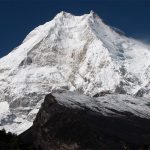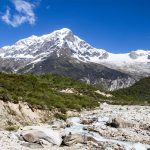
The Nubri people of Manaslu are a Tibetan-influenced Himalayan community living in the upper Budhi Gandaki Valley of northern Gorkha, near the Nepal-Tibet border.
High up in this region, the atmosphere starts to feel different once you move past the lower villages, and the trail begins to open out. The houses look slightly different, the language changes, and monasteries become a more regular part of the landscape. This is Nubri Valley Nepal, where the community has lived for generations.
Distance shapes the lives of people here — the distance from cities, from roads, and for a long time, even from clearly defined borders. For that reason, the Nubri people of Manaslu have held on to ways of living that feel closely connected to Tibet, both culturally and spiritually.
For trekkers on the Manaslu Circuit trek, the experience isn’t something you learn from a signboard; it becomes noticeable gradually as you pass through villages and spend time in the region.
Highlights
- The Nubri people of Manalsu live in a high mountain valley near the Tibet border.
- Daily life here depends a lot on the land, weather, and seasons.
- Tibetan Buddhism is part of everyday life, not just something separate.
- The Manaslu route feels quieter and less crowded than other treks.
- Things are changing slowly, but much of life still stays the same.
Who Are the Nubri People?
The Nubri people of Manaslu are the residents of the upper part of the Budhi Gandaki Valley, mainly in villages like Samagaun, Samdo, and Lho. These settlements are close to the Nepal-Tibet border, and that location has shaped much of how people here live.
The Nubri of Manaslu have strong ties to Tibet, which you can see in their language, the way they build their homes, and the traditions they follow in daily life.
Historically, people in this region moved and traded across the Himalayan border for generations. That is why the cultural connection with Tibet remains strong even today.
Nubri Valley: Where Geography Shapes Life
The Nubri people of Manaslu shape their lives around the land of the Nubri Valley. It is not a place where you can grow just anything or plan too far ahead. The altitude, the cold, and the short seasons decide most things.
Most villages here sit above 3,000 meters, along the Manaslu route and its elevation. Here, winters are long and the growing season lasts only a few months.
People mainly grow what works here:
- Potatoes
- Barley
- Buckwheat
Even then, the growing season is short, so timing matters.
The terrain is rough and spread out, and the distance makes movement slower. It also affects how villages stay connected and how people manage daily life amidst the challenges of the landscapes.
In the past, this same landscape also shaped how people moved beyond the valley. Crossing high passes into Tibet was part of life, not just for trade but also for maintaining connections.
Language and Identity of the Nubri People of Manaslu
The Nubri people of Manaslu region speak Nubri Bhot, a language that is closely related to Tibetan in origin. It sounds slightly different from village to village. The spread of settlements and the long-standing independence of the people contribute to this variation.
The locals, especially younger people, understand and speak the Nepali language. But most conversations do not happen in this language at home. The local language continues to remain a key part of Nubri Valley culture. After all, it is used in daily life to communicate with family and neighbors in the village.
What Religion Do Nubri People of Manaslu Follow?
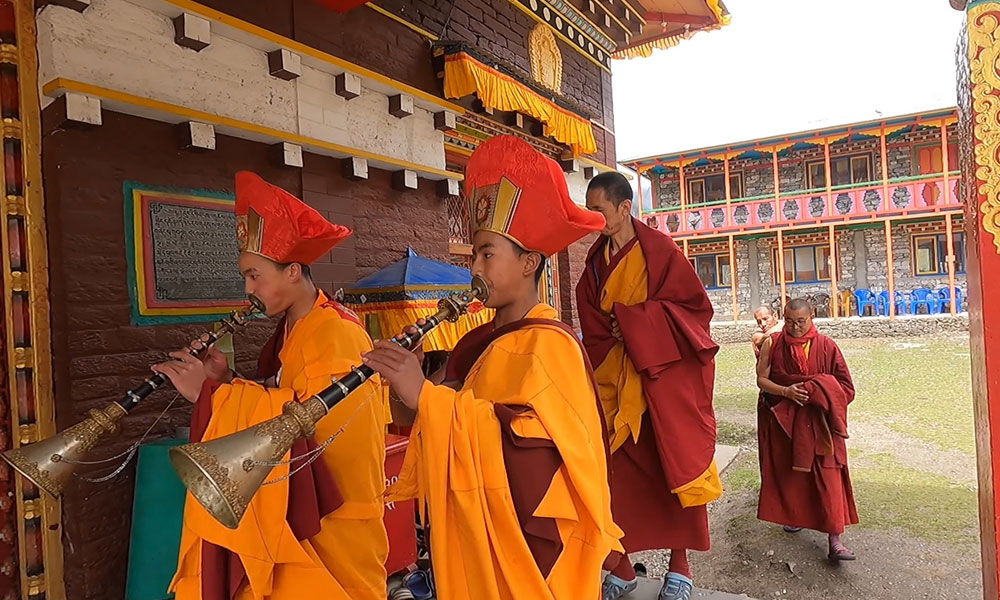
Most people in Nubri follow Tibetan Buddhism, which plays a central role in the Manaslu region culture. It shapes how people see and live their daily lives.
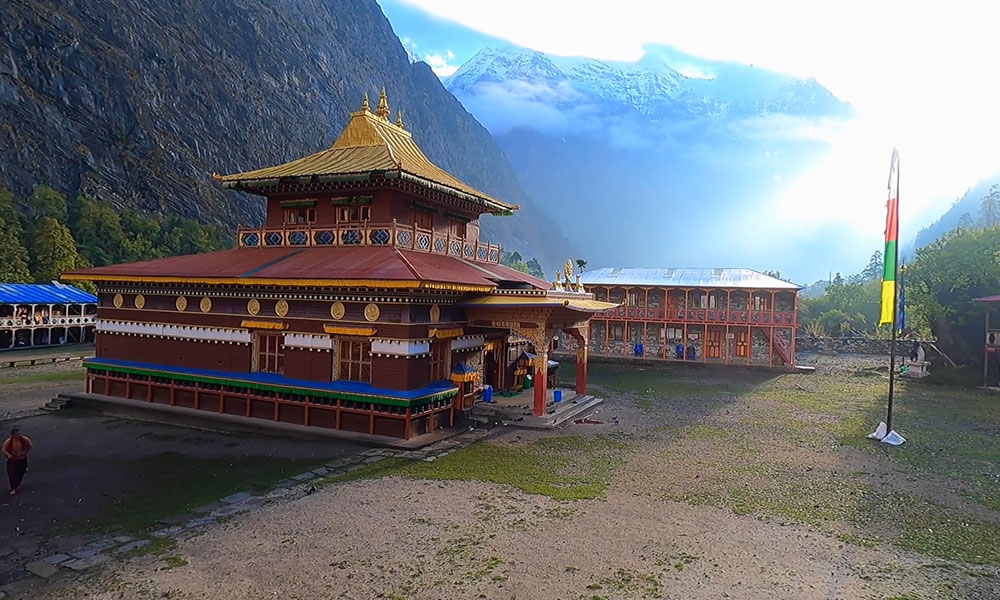
You don’t only notice it in monasteries — it appears in small, everyday moments. People hang prayer flags across rooftops and ridgelines, place mani stones along the trails, and spin prayer wheels as they walk past.
Monasteries are part of the community rather than separate from it. The locals here are acquainted with monks and nuns in these spiritual spaces. Also, many families have some connection to monastic life.
Local Festivals
Festivals follow the Tibetan Buddhist calendar, with Lhosar (the Tibetan New Year) being one of the most important. It usually involves gatherings, monastery rituals, and time spent with family.
Monasteries often lead other local ceremonies, which occur at various times throughout the year, particularly during seasonal transitions.
These celebrations are an important part of Nubri Valley culture, and they reflect both religious beliefs and seasonal cycles that the people here follow.
Everyday Life of the Nubri People
Life in Nubri Valley is simple but not straightforward. The Nubri people of Manaslu spend most of their day working — looking after animals, working in the fields, cooking, or keeping things running at home.
There is not really a fixed routine. It depends on the season and what needs to be done that day.
Work and home don’t feel like separate things here. People shift between tasks as needed. One moment, someone might be outside with the animals; the next, they are back in the house helping with something else.
Families usually do things together, and during busy times like planting or harvesting, neighbors help each other out.
Social Structure and Traditions in Nubri Valley
The Nubri people of Manaslu rely on each other to keep things running in the village. When something affects everyone, people usually talk it through rather than leaving it to one person.
Family matters, but it is also about how things work in practice. In the past, there were arrangements where brothers shared one wife. It might sound unusual from the outside, but it helped keep land and responsibilities together instead of dividing everything.
There isn’t a strict system, but there is a way things are handled. People usually listen to older members, and most issues are sorted within the community itself.
It’s not very formal. Things continue this way because it works for everyday life.
Livelihood In a High-Altitude Region
Living in these conditions means people rely on a mix of farming, animals, and other sources of income. Farming is still important, even with these limits. The same crops — potatoes, barley, and buckwheat — form the base of everyday food.
Animals play an equally important role. Yaks and sheep are part of daily life and are used for the following:
- Milk and butter
- Meat
- Wool
- Carrying goods along the trails
In the past, trade with Tibet was a regular part of how people made a living. Goods like salt and wool were carried across mountain passes, and this movement was built into everyday life.
Today, tourism has also become a source of income, especially by offering food and accommodation along the Manaslu trek route. Since the Manaslu Circuit passes through the region, some families run teahouses or work as guides and porters. Even with these changes, most people still depend on the same basic systems that have supported life here for generations.
What Trekkers Notice in Nubri Valley
As you move higher up on the Manaslu route, things begin to feel a bit different, even if you can’t immediately explain why. It’s not a sudden change — more like small details adding up.
You start seeing more monasteries, often set slightly above the villages. Prayer flags are everywhere, stretched across rooftops and trails. Mani stones line the paths, and people walk past them in a particular way, almost without thinking about it.
The villages themselves feel quieter. There is less of the busy, commercial feel that you experience on more popular routes. Teahouses are there, but they are simple. Life around them continues as usual, without changing much for visitors.
This simplicity is one of the things that makes the Manaslu region feel different, especially when you already know how difficult the Manaslu trek is. The experience is less shaped by tourism and more by the place itself.
Interactions are typically brief and direct. People are polite but not overly expressive. It doesn’t feel staged or designed for tourists. You are just passing through a place where life is already happening.
Why the Nubri People of Manaslu Still Feel Distinct
One reason Nubri feels different is how its location has shaped everyday life over time. Being close to the Tibetan border is an indication that the locals of both Nepal and Tibet stayed connected across the mountains for a long time. That connection is still there in how life feels today.
You notice it in small things — the language people speak, the way homes are built, and how religion fits into everyday life. These aren’t things that have changed quickly.
Another factor is how the region has been managed. The Manaslu area is not as open as some other trekking regions, and fewer visitors have slowed down outside influence.
Because of this, life here hasn’t shifted as fast as in more developed trekking areas of Nepal. It has not stayed exactly the same either, but it hasn’t been reshaped completely. That balance is what makes Nubri feel a bit different from other places.
Change and Continuity
Things are changing in Nubri Valley, but slowly, especially with the trekkers and the growing role of guides and porters in the Manaslu region. You notice it in small ways — better phone access, more movement in and out of the valley, and younger people spending time outside for study or work.
Because of this, some parts of daily life are shifting. People are more connected to the outside world, and not everything works exactly as it did before.
At the same time, much of life continues as it has for years. Farming is still there, animals are still part of daily life, and monasteries continue to be active. Most traditions are followed without much discussion, simply because that’s how things have always been done.
So, rather than changing all at once, life here is adjusting little by little.
Final Thoughts
The Nubri people of Manaslu are not something you fully understand in one visit. Most of what makes this place different shows up in small, everyday details — how people work, how they speak, and how they move through their routines.
For trekkers, it’s easy to focus on the mountains or the trail. But spending a bit of time in the villages changes that. You begin to observe the people and the unique rhythm of life here.
It’s not very dramatic or obvious. Things just feel a bit different — quieter, more settled, and shaped by the place itself.
FAQs
Where is Nubri Valley located?
It lies in the upper part of the Budhi Gandaki Valley in northern Gorkha, close to the Nepal-Tibet border. The Nubri Valley is home to villages like Samagaun, Samdo, and Lho along the Manaslu route.
Who are the Nubri people of Manaslu region?
They are a Himalayan community residing in the upper section of the Manaslu region in Nepal. Tibetan traditions have influenced their culture and language as well as daily practices.
What language do the Nubri people of Manaslu speak?
They speak Nubri Bhot. Nepali is also understood, especially among younger people and in interactions with outsiders.
What is the main religion followed in the Nubri Valley?
Most people are followers of Tibetan Buddhism. It is part of their everyday life. Monasteries, prayer flags, rituals, and daily practices reflect this.
How do people in Nubri Valley earn a living?
People mainly depend on farming, animal herding (especially yaks and sheep), and, more recently, tourism linked to the Manaslu Circuit.
Why does Nubri feel culturally different from other parts of Nepal?
Its location near Tibet and long history of cross-border interaction, along with limited access, have helped preserve its way of life. And that feels distinct from more developed trekking regions.