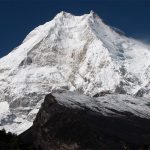
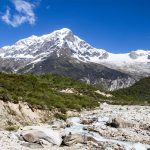
If you have decided on the journey and the one question that is bothering you is: What happens if I get sick on the Manaslu trek?, then look forward to managed care. The first step is that your guide checks your condition and decides what to do next. In most cases, this means resting, drinking fluids, slowing the pace, or descending to a lower altitude until you feel better.
Feeling unwell during a high-altitude trek is common. The Manaslu route climbs above an elevation of 3,000 meters, the highest point being 5,106 meters at Larkya La Pass. Add to that the long trekking days, changing weather, and thinner air, and the overall Manaslu trek difficulty. Together, all these factors can greatly affect how the body responds and highlight some common Manaslu trek health risks. As a result, many trekkers suffer from minor illnesses such as headaches, fatigue, dizziness, or stomach discomfort at some point during the journey.
That is why the most important thing is to recognize symptoms early and inform your guide immediately. With experienced guides and a flexible itinerary, it is possible to safely handle most situations related to illness during the Manaslu trek. Failure to take timely action could lead to serious problems. As a result, they may even require helicopter evacuations.
This article explains what usually happens if a trekker gets sick on the Manaslu Circuit trek, how our team responds, and what kind of support you can expect on the trail.
Highlights
- It’s not unusual to feel a bit off during the Manaslu trek, especially once the trail climbs higher into the mountains. The human body needs time to adjust to the thinner air.
- Most of the time, the symptoms are mild — things like headaches, low energy, or trouble sleeping after a long day of walking.
- Trekking guides notice these changes early. If someone isn’t feeling well, they usually suggest taking it slower, resting more, or drinking extra water.
- When symptoms don’t improve, the safest step is often to walk down to a lower village for a while until the body feels better again.
- Serious situations are rare, but if they do happen, trekking teams provide proper help, including helicopter evacuation, as quickly as possible.

Recognizing Early Symptoms on the Trail
If you get sick on the Manaslu trek, the first signs usually appear as small physical changes while walking. Most trekkers do not suddenly become very sick. Instead, their body shows early warning signs that something is not right.
Recognizing these symptoms early makes it much easier to manage the situation. That is why the trekkers should pay attention to how they feel each day and report even minor discomfort to their guides.
Notice the First Signs
What happens if you get sick on the Manaslu trek — what are the signs? It usually begins with mild symptoms that develop gradually as the altitude increases. These signs can appear during the day’s walk or later in the evening after reaching a village.
Some of the most common early symptoms trekkers notice include:
- Headache
- Dizziness or lightheadedness
- Fatigue or unusual tiredness
- Nausea or loss of appetite
- Difficulty sleeping at night
You tend to experience these symptoms once the trek moves above 3,000 meters. Sometimes they are simply caused by dehydration, long walking hours, or lack of rest.
These symptoms are related to Acute Mountain Sickness (AMS). In rare situations, more serious conditions such as High Altitude Pulmonary Edema (HAPE) or High Altitude Cerebral Edema (HACE) may develop. These conditions are serious and require immediate descent and medical attention.
The important thing is not to ignore these signals. Recognizing them early gives guides enough time to respond before the symptoms become more serious.
Inform Your Guide
If you start feeling unwell during the trek, the best thing to do is tell your guide right away. Even small symptoms are worth mentioning. Many trekkers try to push through a headache or fatigue because they don’t want to slow the group down, but that approach can make things worse at high altitude.
Understanding what to do if sick on the Manaslu trek begins with communication. The most important thing is not to keep your symptoms to yourself. Letting your guide know about your health condition early is a wise move. It gives them enough time and chance to manage the situation before it becomes more serious.
What Happens If I Get Sick on the Manaslu Trek: Guides’ Initial Approach
Experienced guides follow a calm and careful approach to understand the situation and help the trekker recover safely in case one becomes sick during this trek. The steps below explain how guides usually respond when a trekker begins to feel unwell during the trek.
Assessing the Trekker’s Condition
Once your guide knows how you are feeling, they will usually ask a few simple questions to understand what’s going on. They include: Exact time you started experiencing the symptoms, whether you drank enough water, and if you ate properly that day. At the same time, the guides will also pay attention to how you are walking and whether your energy level seems different.
The guide will determine the next course of action once they have a clear understanding of your circumstances. Sometimes the symptoms may disappear by taking a short break, drinking water, or slowing the pace. If not, then other actions need to be taken.
Rest and Hydration
If the symptoms appear mild, the guide will usually recommend rest first. Trekkers may stop for a break, drink water, and allow the body some time to recover. Simple actions often help improve how a trekker feels:
- Taking a short rest
- Drinking enough water
- Eating something warm or light
- Allowing the body to relax for a while
Dehydration is very common on high-altitude treks. The dry mountain air and constant physical activity cause the body to lose fluids quickly. Drinking water regularly can reduce symptoms such as headaches, fatigue, or dizziness. Guides usually observe how the trekker responds during this break before deciding the next step.
Slowing the Pace of Trekking
If a trekker is not feeling completely well but is still able to walk, the guide will often decide to slow the group down. In the mountains, there is no benefit in rushing. Moving at a gentler pace helps the body regain energy and cope better with the altitude.
In these situations, your daily trekking routine may be adjusted.
- Walking at an easier, more comfortable pace
- Stopping more often to rest and catch breath
- Ending the day’s walk earlier than what was originally planned
At higher elevations, pushing the body too hard can quickly make things worse. Taking the trail slowly gives the body a chance to adjust and prevents unnecessary strain.
Very often, once the pace becomes easier and the pressure to keep moving fast disappears, trekkers begin to feel noticeably better.
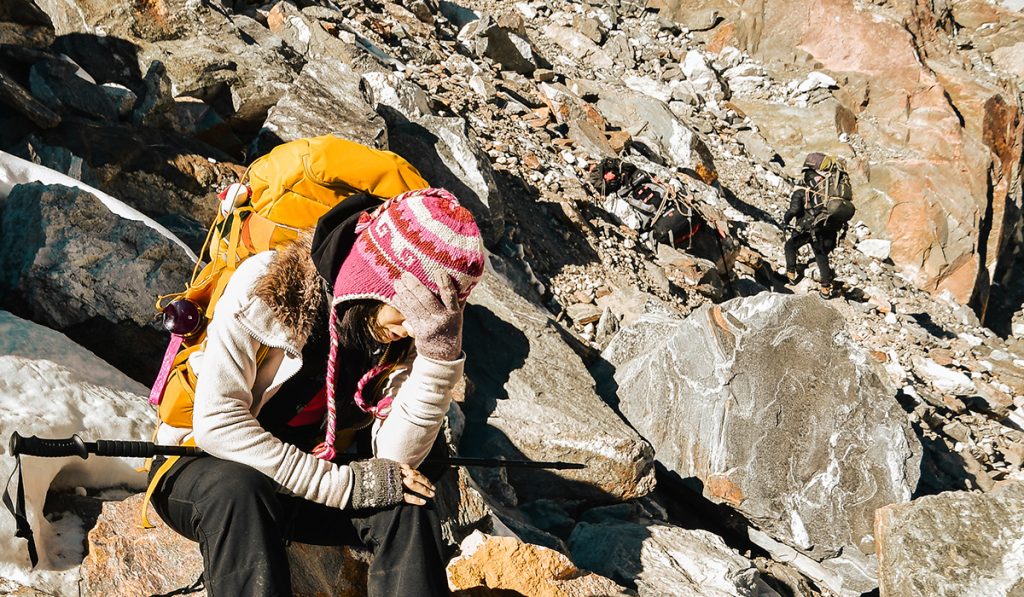
Monitoring the Situation During the Trek
Experienced guides remain attentive throughout the day despite the mild symptoms shown by trekkers. This is particularly important when getting sick on the Manaslu trek begins with small symptoms. And that may develop gradually. The following steps explain how they continue monitoring the situation and make decisions.
Continuous Observation
Even after the group continues walking, the guide will keep paying attention to the trekker who was feeling unwell earlier. On a high-altitude trail, conditions can change quickly, so guides prefer to keep checking how the person is doing throughout the day.
They usually watch for small signs that might show the situation is getting worse, such as:
- Growing tiredness or lack of energy
- Struggling to keep a steady walking pace
- Headaches becoming stronger
- Breathing that seems heavier or unusual
Along the way, the guide may also casually ask the trekker how they are feeling. These small check-ins help them understand whether the person is improving or still having difficulty.
Doing so, guides can notice problems early and decide if the group needs to slow down, take a longer rest, or make another adjustment.
Adjusting the Day’s Plan
If a trekker still doesn’t feel better, then the guide may decide to change the plan for the day. On the Manaslu Circuit, guides don’t treat the itinerary as something fixed. If someone is struggling, the priority simply becomes helping them recover.
This can mean prioritizing health by making a few practical changes:
- Stopping earlier and spending the night in the next village
- Staying another night in the same place to rest
- Adding an extra acclimatization day before going higher
Small adjustments like these give the body time to adapt to the altitude. Oftentimes, just one extra day of rest can be sufficient to help a trekker regain strength so they can continue safely.
Descending to a Safer Altitude
When someone on the trek continues to feel unwell, in some cases, the solution means heading down to a lower altitude to help the trekker recover from illness during the Manaslu trek.
Descending: What Happens If I Get Sick on the Manaslu Trek?
The safest option is to descend if the symptoms continue or start getting worse. On high-altitude treks, going down is often the quickest and most reliable way to help the body recover from the impacts of altitude sickness.
Even a small drop in elevation can make a difference. That is because, as the altitude decreases, oxygen levels improve slightly. As a result, such reductions can make breathing easier and reduce symptoms such as headaches, dizziness, or fatigue.
This phenomenon is one of the reasons guides do not usually wait too long before recommending descent. Trekkers often begin to feel noticeably better after walking down a few hundred meters. If this step is taken early, it can prevent the problem from becoming more serious.
Providing Basic First Aid or Medication
Sometimes, trekkers experience small injuries or common issues that come with long days of walking in the mountains. To deal with these situations, guides normally carry a basic first aid kit during the trek.
This kit can be used to treat simple problems such as:
- Blisters from long hours of walking
- Small cuts or scrapes
- Minor sprains or muscle strains
Trekkers may also take personal medications they brought with them as a part of their Manaslu trek packing list, especially if they were recommended by a doctor before the trek.
These include:
- Pain relievers
- Rehydration salts
- Altitude medication
In many cases, these small treatments are enough to manage the problem. As such, one may continue the journey if the trekker feels better.

Emergency Response: What Happens If I Get Sick on the Manaslu Trek?
Most of the time, people who feel unwell on the trail recover after resting, drinking water, or slowing the pace. But the mountains can be unpredictable. Occasionally, some Manaslu trek health risks can become more serious — this is true if symptoms worsen, and that’s when guides need to act quickly.
Recognizing Serious Symptoms
Sometimes a trekker’s condition doesn’t improve. In a few cases, the symptoms may even get worse. When that happens, guides start paying very close attention.
The following symptoms indicate that there is a more serious problem:
- Severe difficulty breathing
- Confusion or strange behavior
- Trouble walking in a stable way
- Symptoms that suddenly become worse
If a trekker shows any of these signs, the guide treats the situation as urgent. At that point, the priority is no longer reaching the next stop on the trail. The priority is making sure the person gets help.
Arranging Emergency Assistance
If a trekker’s condition becomes serious, the guide will usually contact the trekking agency to explain the situation and ask for support. On remote routes like the Manaslu Circuit, outside coordination is often necessary.
The agency helps organize the next steps so the trekker can reach proper medical care. Sometimes that simply means guiding the person to a lower village first. That is because it is easier to arrange transport or further assistance.
If the situation is serious and the trekker cannot safely descend on foot, the trekking agency may arrange a helicopter evacuation to Kathmandu for proper medical treatment.
Because the Manaslu region is isolated, communication between the guide and the agency plays an important role in getting help quickly.
What Happens if I Get Sick on the Manaslu Trek: Ending It in Extreme Cases
In some situations, the best decision is to change the plan completely. If a trekker is too unwell to continue, the itinerary may need to be adjusted, or the trek ended for that person.
Experienced trekking teams never put someone’s health at risk just to finish the route. Reaching the destination is not worth it if a trekker’s safety is in question.
One will definitely feel frustrated if the person needs to end their trek earlier than planned. Still, focusing on recovery is the right choice, and many trekkers return later when they are ready to continue the journey safely.
Final Words: What Happens If I Get Sick on the Manaslu Trek
One may get sick on the Manaslu trek due to various factors, whether you are joining a standard trip or a budget Manaslu trek. The good news is that many health issues are minor and improve once the situation is handled on time. They include taking a proper rest, drinking enough water, and walking at a slower pace. And your guides help you in the process.
This is one of the reasons that justifies the need for experienced guides during a Manaslu trek. Radiant Treks’ guides know the trail, the altitude changes, and the kinds of problems trekkers usually face on the route. Because of that experience, they can notice issues that you are facing early and decide whether it is better to rest, slow down, or descend.
For trekkers wondering, ‘what happens if I get sick on the Manaslu trek?’, the best approach is simple — pay attention to how you feel. And let your guide know if something doesn’t seem right. Trekking in the Manaslu region is not a race. But taking care of your health always comes first. When the trek is done at the right pace and with good communication, most people complete the Manaslu Circuit safely.

FAQs
What happens if I get sick on the Manaslu trek, and how do I handle it?
The best thing you can do is let your guide know right away. Even a small headache or unusual tiredness is worth mentioning. Guides deal with these situations often and can decide whether you just need rest, more water, or a slower pace.
Is it normal to feel a bit sick at high altitude?
Yes, many trekkers notice small symptoms once the trail goes above 3,000 meters. This is usually just the body adjusting to less oxygen. As long as you take it slow and follow your guide’s advice, most people recover quickly.
Does the trek stop? If not, what happens if I get sick on the Manaslu trek?
Not always. Guides first check how serious the symptoms are. Sometimes the group simply slows down or takes longer breaks. The day’s schedule is adjusted accordingly if there is a need for more time for someone to recover.
What happens if I get sick on the Manaslu trek and my condition worsens?
If symptoms become stronger, the safest solution is usually to descend to a lower altitude. In the mountains, going down even a few hundred meters can make a big difference.
Can I continue the trek after feeling sick?
In many cases, yes. This is possible if your health condition improves. Most importantly, the guide should be confident that you are doing well and can walk ahead safely. If so, then you can continue the journey.