Planning your first trek in Nepal? The Manaslu Circuit Trek is one of the most rewarding Himalayan adventures, offering spectacular mountain scenery, authentic Tibetan villages, and fewer crowds than Everest or Annapurna. While it is a challenging trek, beginners with a good fitness level can successfully complete it with proper preparation and an experienced local guide.
At Radiant Treks, we have guided hundreds of trekkers through the Manaslu region, taking care of permits, licensed guides, accommodation, meals, and logistics so you can enjoy a safe and memorable adventure.
In this guide, you’ll learn:
✓ Is the Manaslu Trek suitable for beginners?
✓ How difficult is it really?
✓ Best time to trek
✓ Cost, permits and itinerary
✓ Fitness and training tips
✓ Packing checklist
✓ Altitude sickness prevention
✓ Expert advice from our local team
Need personal advice? Contact our Manaslu experts on WhatsApp +9779849294113 (click to chat) for free itinerary recommendations and a personalised quote.
Start planning your Manaslu adventure today.
Can Beginners Complete the Trek?
If you are thinking about doing the Manaslu trek as a beginner, expect it to be challenging — but not impossible. This isn’t a technical climb, which is why the Manaslu trek for beginners is demanding yet achievable.
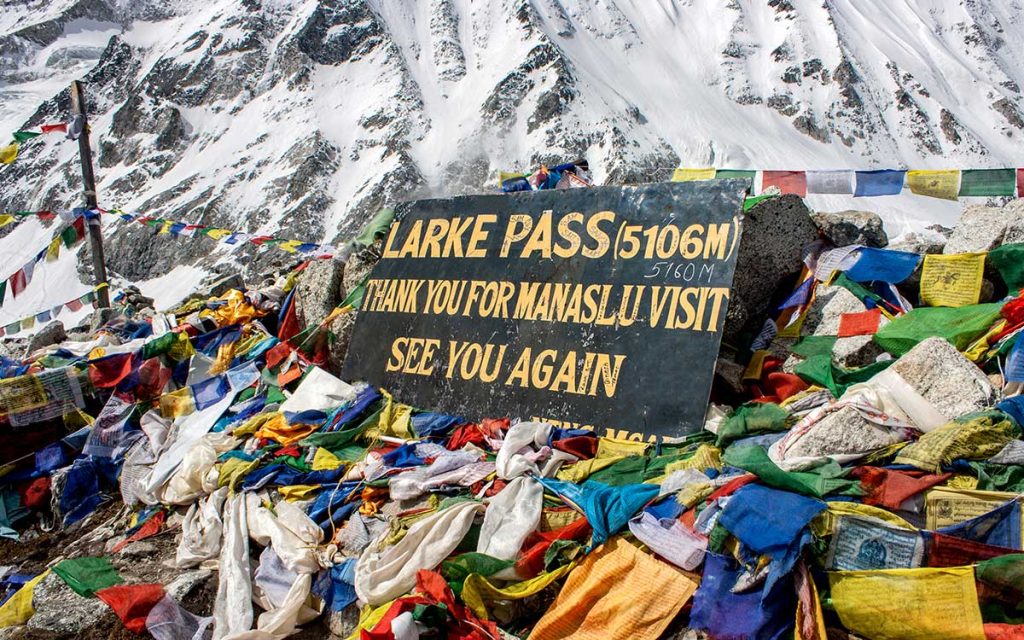
You won’t be using ropes or crampons, and you don’t need mountaineering experience. What you will need is stamina. Most days involve six to eight hours of walking, and the trail eventually reaches 5,106 meters at Larkya La Pass. That altitude is high enough to slow anyone down, especially if it is your first time Manaslu trekking above 3,500 meters. The difficulty builds gradually rather than dramatically.
You start in lower river valleys and slowly gain height over several days. As you go higher, the air feels thinner, your pace slows, and even small climbs can feel harder than expected. That’s normal.
Accommodation along the route is simple — small teahouses, shared bathrooms, basic meals. Phone signal might fade in certain stretches, yet most places have network connections, including the internet.
The Manaslu region is quieter and less developed as compared to the Everest or Annapurna regions. If you are still comparing options, you might also want to read our guide on the Manaslu and Everest Base Camp Trek.
Many first-time trekkers complete the Manaslu Circuit trek each year. Those who enjoy it most are the ones who prepare properly, follow proper acclimatization, and avoid rushing.
Highlights
- The Manaslu trek isn’t technical, but it is serious. As a beginner, you won’t need ropes or climbing skills — what you’ll need is steady endurance and patience.
- The altitude changes how everything feels. Nothing is dramatic at first, but above 3,000 meters, even small climbs start to feel heavier.
- Most days are long without being extreme. It’s repetition — walking day after day — that shapes the experience.
- Larkya La Pass is the biggest day, but it’s not about bravery. It’s about arriving there well-acclimatized and taking it one steady step at a time.
- Manaslu feels quieter than Everest or Annapurna. The teahouses are simple, the villages are smaller, and that slower rhythm is part of what makes it rewarding.

Is the Manaslu Trek for Beginners Suitable?
Yes, it can be — but not for everyone. Some beginners do very well on the Manaslu trek. Others struggle more than they expect. The difference usually comes down to Manaslu trek preparation for beginners and pacing, not prior trekking experience.
The trail itself is not technical. You are walking on established paths, crossing suspension bridges, and staying in small village teahouses along the way. There is no climbing involved. You don’t need ropes, ice axes, or mountaineering training.
Where it becomes demanding is the altitude and the number of consecutive walking days. Once you go above 3,000 meters, the body starts to feel the change in oxygen levels. By the time you reach places like Samagaun and Samdo, even simple tasks can feel slightly harder. Sleep can be lighter. Appetite sometimes drops.
This aspect is why the Manaslu trek for beginners works best when the itinerary includes proper acclimatization days. Rushing the schedule is what usually causes problems, not the trail itself.
If you already walk regularly, exercise a few times a week, and are comfortable being active for six or seven hours a day, the trek is realistic. If you rarely exercise and skip preparation, it will feel very challenging.
In practical terms, beginners who succeed on the Manaslu trek are usually those who:
- Train for two to three months beforehand
- Follow a gradual itinerary with acclimatization days
- Walk at a steady, conservative pace
- Stay hydrated and eat properly
- Listen to their guide and their body
Manalsu Trek for Beginners: What Makes It Challenging?
When people hear that the Manaslu trek goes above 5,000 meters, they often assume the difficulty must be extreme. It isn’t extreme — but it is steady. The challenge comes in how the days build on each other.
You don’t face one dramatic obstacle. Instead, you deal with altitude, long walking days, and simple living conditions at the same time. For beginners, that combination is what feels demanding.
The Altitude Feels Different
The first few days usually feel manageable. You are walking along river valleys, passing small villages, and gradually gaining height. Then, once you move above 3,000 meters, something changes.
Breathing becomes slightly heavier on climbs. You might stop more often without even realizing it. Sleep can feel lighter at night. None of this is alarming — it’s simply the body adjusting to thinner air.
By the time you reach Samagaun and later Dharamsala, you are high enough to feel that difference clearly. And then comes Larkya La Pass at 5,106 meters. At that altitude, even slow walking feels like real effort.
Length of Manaslu Trek for Beginners
Another part of the difficulty is how long the trek lasts.
Most days involve six to eight hours of walking on the trail, which answers the common question about walking hours per day on the Manaslu trek. It may not seem hard at first, but after two weeks, your legs will feel it. The trail rises and falls enough to keep your muscles working.
Some days are shorter, especially when acclimatization is built into the schedule. The day you cross Larkya La Pass is usually longer, sometimes closer to eight or nine hours, depending on pace and weather.
For beginners, the real adjustment is not a single hard day — it’s the rhythm of it. You wake up early, walk for several hours, rest in the afternoon, and repeat the process the next day. After four or five consecutive days, your legs may feel the repetition more than the steepness.
A few things beginners often notice:
- The early days feel easier because the altitude is lower.
- Above 3,500 meters, even gentle inclines feel heavier.
- Descents can be more tiring on the knees than ascents.
- Your natural walking pace slows down at higher elevations.
Larkya La Pass Is the Hardest
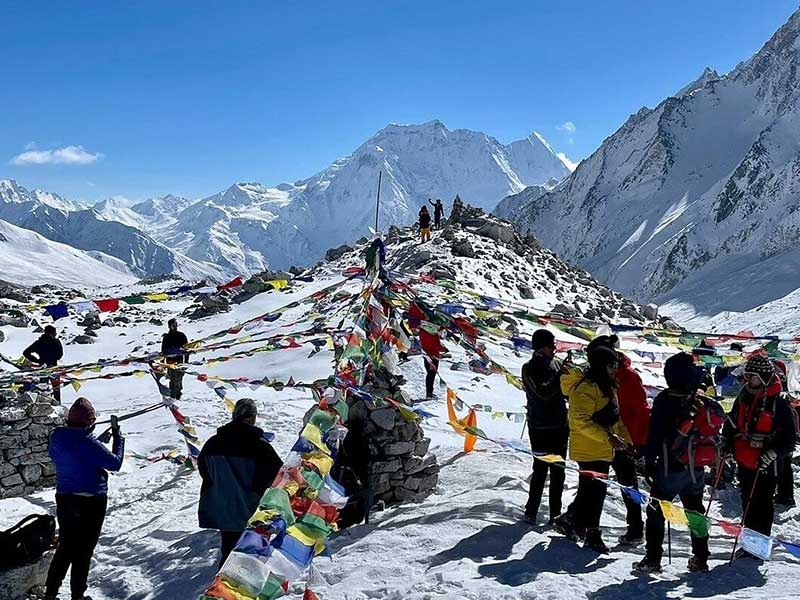
For most people, crossing Larkya La Pass is the toughest part of the Manaslu Circuit. And thus, the Larkya La Pass difficulty for beginners is real.
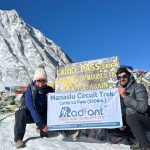
You usually start early, when it is still cold. The climb is steady and not technical, but the altitude makes it feel slower than it looks on paper. Reaching the prayer flags at the top feels rewarding because you have earned it.
The descent afterward is long. That’s the part people don’t always expect. Knees and balance are tested more when going down than when going up.
Simple Living Conditions
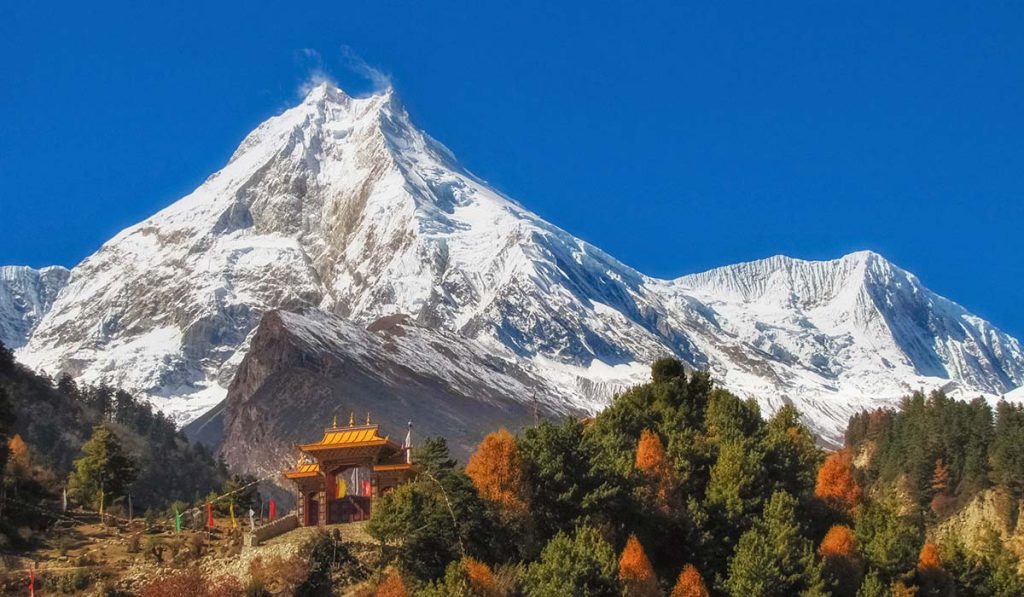
Manaslu is less developed than Everest or Annapurna. That’s part of why many trekkers choose it. But it also means things are basic.
Teahouses are simple. Rooms are small. Heating is limited to common areas. Sometimes the internet works, sometimes it doesn’t.
For beginners, the challenge is less about danger and more about adjusting to altitude, long days, and simple mountain life.

Acclimatization and Altitude Sickness Risk for Beginners
Altitude is the single biggest factor that shapes the Manaslu trek for beginners. The trail begins below 1,000 meters, but over the course of the journey, you gradually climb above 5,000 meters at Larkya La Pass. That change happens gradually.
In the early days, most beginners feel comfortable. The villages are lower, breathing feels normal, and the walking effort is steady. But once you move above 3,000 meters, the body begins to notice the thinner air. You may find yourself stopping more often while hiking on uphill sections. In addition, sleep can feel lighter in higher elevations. Some people notice a mild headache in the evening.
Role of Acclimatization Days
These are common early altitude responses, especially if it’s your first time trekking this high. This is why acclimatization days on the Manaslu Circuit are not optional — they are built into the itinerary for a reason. Most standard routes include at least one rest day in Samagaun (around 3,530 meters). Some itineraries also allow a shorter acclimatization stop in Samdo before heading toward Dharamsala.
Acclimatization does not mean complete rest. It usually involves a short hike to a slightly higher point during the day and then returning to sleep at the same village — often described as ‘climb high, sleep low’.
Recognizing Altitude Sickness Symptoms
When it comes to the risk of altitude sickness on Manaslu, beginners should know its warning signs. They are:
- Persistent headache that does not improve with rest
- Nausea or loss of appetite
- Dizziness
- Unusual fatigue
- Difficulty sleeping combined with worsening symptoms
For medical reference on altitude illness, you can consult the CDC altitude travel guidelines.
Mild symptoms often improve with proper hydration and rest. What matters most is whether symptoms get worse as you continue ascending. If they do, descending is the safest decision. It is not a failure — it is responsible trekking.
How to Reduce Altitude Risk
The key for beginners is simple: move slowly, hydrate consistently, eat properly, and follow a gradual itinerary. The Manaslu trek altitude for beginners feels manageable when you respect the pace of ascent. It becomes risky only when rushed.
How Fit Do You Need to Be?
You don’t need to be an athlete to complete the Manaslu trek, but you do need to be in reasonably good shape. This is not a trek where you walk for a few hours and relax the rest of the day. Most days involve around six to eight hours on the trail. Some stretches are gradual, others are steeper, and a few days feel longer simply because you are gaining altitude.
The real challenge isn’t a single difficult climb — it’s the consistency. You wake up, walk for hours, rest, and then repeat that for nearly two weeks.
For beginners, achieving the fitness required for Manaslu trek involves a few simple steps. If you are not sure where you stand, check our guide on the fitness level required for the Manaslu trek:
- You should be comfortable walking uphill for two to three hours without feeling completely exhausted.
- Your legs should be strong enough for long descents, especially for the hike after crossing Larkya La Pass.
- You should be used to being active on consecutive days, not just occasional weekend hikes.
Altitude adds another layer. Above 3,500 meters, your pace naturally slows. Even small inclines can feel heavier than they would at sea level. That doesn’t mean you are unfit — it’s simply the effect of reduced oxygen. The key is to accept that slower rhythm rather than push against it.
There’s no need to compete with anyone on the trail. Guides usually set a steady speed that allows conversation without gasping for breath — a good sign you are moving at the right intensity.
Training Needs of Manaslu Trek for Beginners
If you currently exercise a few times a week, walk regularly, or do light strength training, you are already in a decent starting position. If you rarely exercise, it would be wise to begin preparing two to three months before the trek.
Simple training works well:
- Long walks
- Stair climbing
- Short hikes with a backpack
- Basic leg strengthening exercises (squats, lunges, and step-ups)
Focus on building endurance rather than speed. The Manaslu trek difficulty for beginners is manageable when your body is used to sustained movement. It becomes much harder when you rely only on determination without preparation.
Preparation Rules of Manaslu Trek for Beginners
Preparation makes a bigger difference on the Manaslu trek than people expect. The trail itself doesn’t require technical skill, but arriving unprepared can make it feel much harder than it needs to be.
Physical Preparations
If this is your first high-altitude trek, start getting ready a few months before departure. This is especially important if this is your first Manaslu trek experience. You don’t need a complicated Manaslu trek training plan. What helps most is consistency.
Regular walking is a beneficial starting point. Try walking uphill when possible, even if it’s just stairs in your area. Over time, increase the duration rather than the speed.
Also, try strength training to keep your legs and core fit. Long descents, particularly after crossing Larkya La Pass, can strain the knees.
Mental Readiness
Aside from physical preparation, you should be ready mentally as well. During the trek, expect:
- Long days with steady effort
- Simple teahouse accommodation
- Limited connectivity in certain sections
- Changing weather at higher elevations
Knowing this in advance prevents frustration.
Getting Ready For Altitude
You should also prepare for altitude when planning the Manaslu trek as a beginner. Organize an itinerary that includes acclimatization days, especially around Samagaun. Our 12 Days Budget Manaslu Trek package is also designed with proper acclimatization and steady pacing for first-time trekkers.
Avoid compressing the schedule to ‘save time’. Rushing on the trail is one of the main reasons beginners struggle on this trek.
What To Carry
Gear preparation should stay practical. You should focus on:
- Well-broken-in trekking boots
- Layered clothing for changing temperatures
- A warm sleeping bag for higher villages
- A small but complete first-aid kit
Remember, you don’t need excessive equipment. You need reliable essentials.
For a complete checklist, see our full Manaslu trek packing list.
Other than that, since Manaslu is a restricted region, proper permits are required. You can learn more in our beginner guide to Manaslu trek, especially for understanding about Manaslu trek permits and requirements.
Manaslu Trek for Beginners: Safety Considerations
The Manaslu trek is considered safe when approached responsibly. It is not a dangerous expedition, but it is a serious high-altitude journey.
For beginners, safety mainly comes down to three things: altitude awareness, pacing, and decision-making.
Altitude awareness and decision-making
Above 3,000 meters, your body starts adjusting to thinner air, and recognizing worsening symptoms early is essential.
Weather conditions at Larkya La Pass
The weather is another safety consideration. That is because weather conditions can change quickly in the mountains, especially near elevations like that of the Larkya La Pass. Starting early on pass day is common practice because winds tend to increase later in the day. Guides monitor forecasts and make adjustments when needed.
Trail conditions
Add to that the varied trail conditions. In some sections, especially between Machha Khola and Jagat, there are narrow paths and occasional landslide-prone areas. These sections require attention but are not extreme.
What to do?
A few practical safety habits make a big difference:
- Drink enough water, even if you don’t feel thirsty.
- Eat regularly to maintain energy at altitude.
- Avoid alcohol in higher villages.
- Walk at a pace where you can still speak comfortably.
- Role of guides and emergency support
For beginners, hiring an experienced guide significantly improves safety. Guides understand the terrain, local conditions, and altitude response. They also know when to rest, slow down, or descend.
Emergency evacuation by helicopter is available in serious cases, though it depends on weather conditions. That is why you should get travel insurance that covers high-altitude trekking.
Best Time of Manaslu Trek for Beginners
Choosing the best time for beginners to trek Manaslu can significantly affect comfort and safety. Most beginners feel more comfortable going in the spring or autumn.
Spring (March to May)
Spring is a popular time because the weather is usually steady. The lower part of the trail feels lively, with forests turning green again and rhododendrons in bloom. Higher up, it’s still cold, especially in the mornings, but generally manageable. There can be some leftover snow near Larkya La Pass early in the season, though it’s often still possible to cross with proper planning and flexibility.
Autumn (September to November)
Autumn tends to be the most predictable season. After the monsoon rains clear out, the air feels cleaner, and the mountain views are sharp. Trails are usually dry, which makes walking easier and more stable.
Winter (December to February)
Winter brings real cold at higher elevations. Mornings can be freezing, and snow can cover parts of the trail. Larkya La Pass becomes harder to cross because of snow buildup. Some experienced trekkers may trek during this time for the solitude. However, beginners need to practice caution and prepare properly, as the winter season can be challenging.
Monsoon (June to August)
Rain is frequent in the monsoon, and that is true especially in the lower sections. Trails can turn muddy, and in some areas, landslides are more common. Clouds often hide the mountains, and the humidity can make long walking days feel heavier than usual.
Adjustment of Teahouse and Food During Manaslu Trek for Beginners
If this is your first high-altitude trek, one of the biggest adjustments may not be the walking — it may be the simplicity of where you sleep.
Accommodation is provided in local teahouses, which are family-run lodges that offer basic rooms and meals. They are not hotels.
Most rooms are simple and shared on a twin basis. Beds usually have thin mattresses, pillows, and blankets. Many trekkers bring their own sleeping bag, especially for nights that tend to become colder at higher elevations. Bathrooms are commonly shared, and hot showers may be available in some places for an extra fee.
As you gain altitude, facilities become more basic. Heating is usually limited to the dining area, where a stove is lit in the evening.
There are communal dining halls in teahouses where dishes like dal, bhat, noodles, soups, potatoes, and simple curries are common. At higher elevations, warm meals matter more than variety.
Internet and mobile signals are available in some villages, but they are not guaranteed. It’s part of the remoteness that defines Manaslu.
Final Thoughts: Is the Manaslu Trek for Beginners Possible?
Yes — beginners can do the Manaslu trek. But it helps to understand what “beginner” really means.
If you are new to high-altitude trekking but reasonably active, willing to train, and prepared to follow a gradual itinerary, the trek is realistic. It will feel challenging at times. There will be long days. There will be moments when the altitude slows you down.
Proper preparation and pacing make the Manaslu trek possible for beginners. The trail itself is not technical, but it demands consistency.
For many first-time trekkers, the hardest day is crossing Larkya La Pass. Yet even that day is manageable when you arrive acclimatized and prepared.
The trek is quieter and less developed than more commercial routes. If you are comfortable with basic accommodation, slower pacing, and being disconnected, the experience feels rewarding here.
In the end, the Manaslu trek difficulty for beginners is real — but it is fair. It asks for consistency, not extreme ability. With proper training, acclimatization, and realistic expectations, most beginners complete the circuit successfully.
If you still have questions about whether this trek suits you, feel free to contact the Radiant Treks team for personalized advice.
FAQs
Can beginners really try the Manaslu trek?
Yes, they can — but only if they prepare properly. You don’t need climbing skills, but you do need stamina and a realistic mindset. The altitude is what makes it serious, not the trail itself.
Can I do the Manaslu Circuit if it’s my first high-altitude trek?
Yes, many people do it. What makes the difference is training beforehand and choosing an itinerary that includes proper acclimatization days. Rushing is usually what causes problems.
What part of the trek feels the hardest?
For most people, crossing Larkya La Pass is the toughest day. That is because it is a long hike in the cold morning, and the altitude makes everything feel slower. The descent afterward can be surprisingly tiring, too.
How many hours do you actually walk each day?
On average, six to eight hours. Some days are shorter if you are acclimatizing, and the pass day can stretch longer. It’s not non-stop climbing, but it adds up over two weeks.
How worried should I be about altitude sickness?
You should respect it, not fear it. There is a possibility for you to experience mild symptoms above 3,000 meters, especially if it’s your first time that high. With gradual ascent and proper rest days, most trekkers adjust without serious issues.
What kind of fitness level is enough during the Manaslu trek for beginners?
You don’t need to be an athlete. If you can walk uphill for a few hours and stay active on consecutive days, you’re on the right track. Endurance matters more than speed.
Is the accommodation very basic?
Yes — and that’s part of the experience. Rooms are simple, heating is limited, and the internet can be unreliable. If you expect that beforehand, it feels normal rather than disappointing.