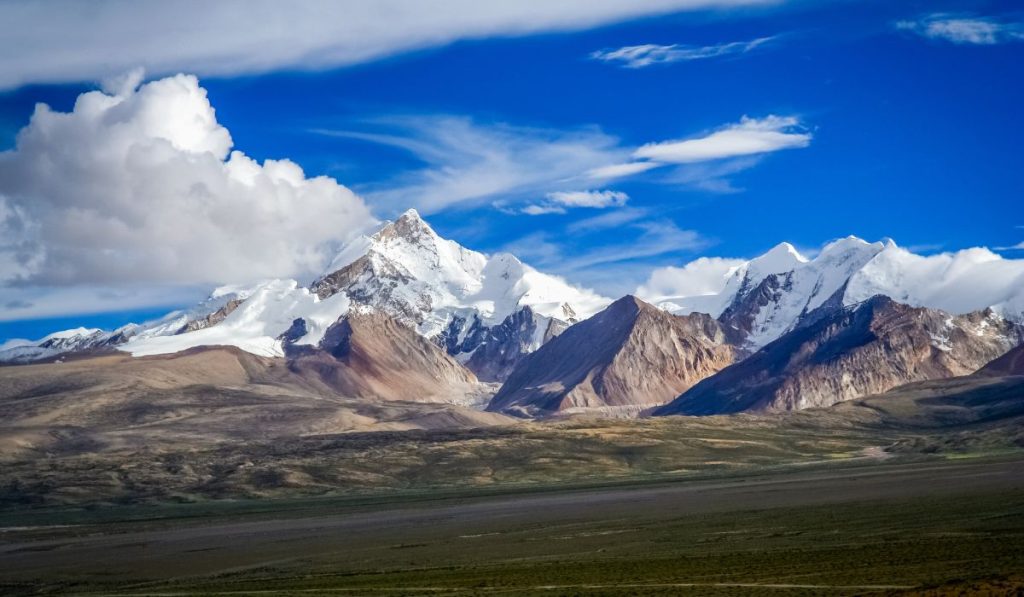
The best time for the Langtang Valley trek falls into two main windows: autumn (Sept–Nov) and spring (March–May). Autumn is ideal if you want crystal-clear views, dry weather, and stable skies. Spring offers a softer feel with warmer Langtang Valley temperatures (10–20°C), blooming rhododendrons, and more wildlife along the trail.
Most trekkers compare the Langtang trek in spring vs autumn, but winter brings quiet solitude, and the monsoon rewards you with lush green hills, with trickier trails.
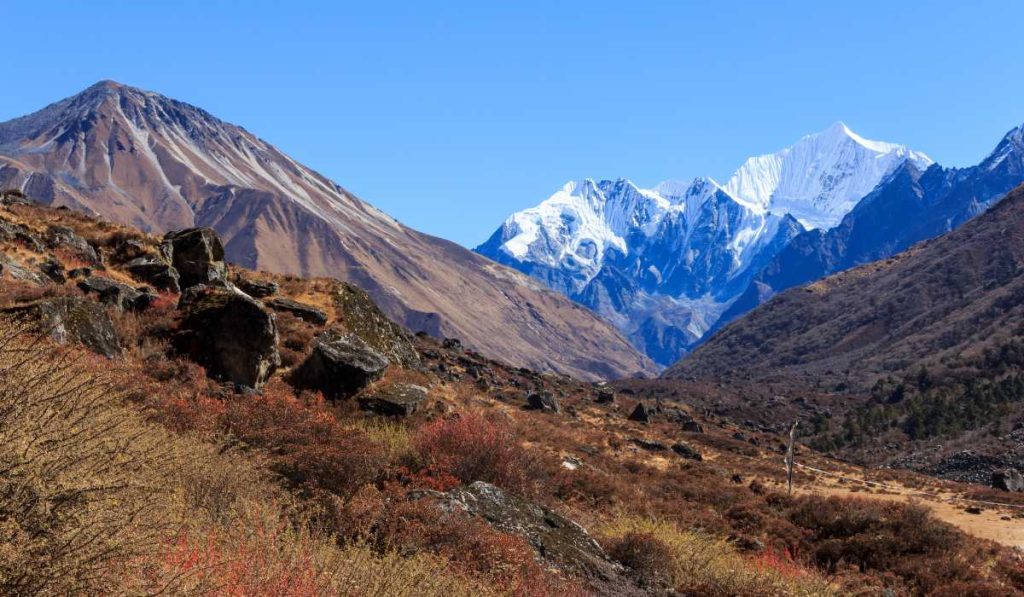
At Radiant Treks, we have guided this route through everything from deep January snow to lush July rain. You choose the season that fits your style — photos, flowers, or pure silence — and we will handle the logistics for a safe and memorable trek.
Highlights
- Opt for the Langtang Valley trek in autumn for crystal-clear skies and the sharpest mountain views
- Choose the spring Lantang Valley trek to see blooming rhododendron forests and active wildlife like red pandas and Himalayan tahr
- Winter and monsoon offer empty trails and a raw connection with nature, provided you have the right gear
- Go for the October trek to witness Dashain and Tihar festivals, and for the February journey for Tamang Lhosar
- In both spring and autumn, you can summit Tserko Ri or Kyanjin Ri, and you get 8,000m-level views without needing technical climbing gear
Quick Glance: Choosing Your Ideal Time
| Priority / Goal | Best Time and Why |
| Mountain Visibility | Autumn (Oct–Nov): The monsoon rains have washed away the dust, leaving the crystal-clear skies Nepal is famous for. This is the best window for photographers. |
| Rhododendron and Flora | Spring (April): This is the peak Langtang rhododendron season. The lower forests turn into tunnels of red, pink, and white flowers. |
| Wildlife | Spring (Mar–May): Animals break their winter hibernation and become highly active in the warmer forest zones. It’s your best chance to spot the elusive red panda. |
| Avoiding Crowds | Winter (Jan–Feb): If you want the trails to yourself and don’t mind the cold, this is your time. Teahouses are empty and peaceful. |
| Cultural Experience | Autumn (October–November): Nepal’s two biggest festivals, Dashain and Tihar, happen now. The villages are lively, swings are set up, and the mood is celebratory. |
| Warmest Weather | May–June: The warmest days of the year (just before the rain starts). Perfect for those who get cold easily. |
Spring: The Rebirth of the Langtang Valley
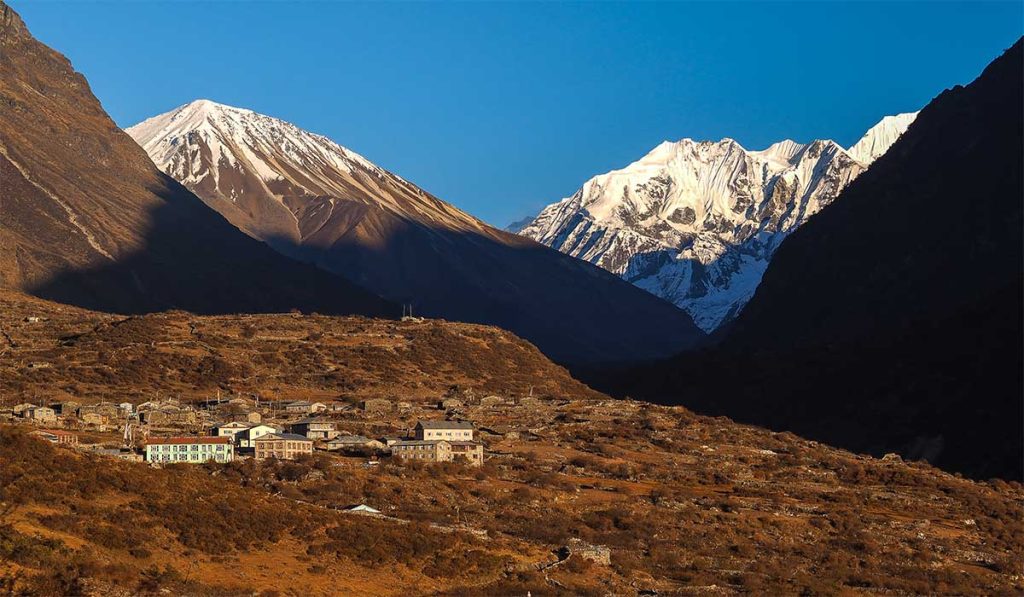
Spring (March-May) is the Langtang rhododendron season because it offers a mix of vibrant wildflowers, active wildlife, and progressively warmer days. While autumn is famous for mountain clarity, spring is the winner for nature lovers who want to see the valley in full bloom.
Average spring temperatures: Expect pleasant daytime highs of 10°C to 20°C, though nights at high altitude still drop up to -5°C.
March: The Quiet Shoulder Season
March is the best month for trekkers who value solitude over warmth, as the continuing winter chill keeps the crowds away. It is a transition period where the Langtang Valley temperature remains crisp. And while the famous red rhododendron blooms arrive later, the lower trails near Bamboo are already blooming with rare white and pink rhododendrons.
Temperature Check
- Lower Valley: 10°C to 18°C (Day); 2°C to 5°C (Night)
- Kyanjin Gompa: 3°C to 8°C (Day); -5°C to -8°C (Night)
Radiant Treks Insight: You will often have the teahouses almost to yourself. However, the trail to Kyanjin Ri can still be icy, so we recommend packing microspikes.
April: The Peak Bloom
April is the visual peak of the trekking season, famous for the red forest of blooming rhododendrons, especially between Lama Hotel and Ghoda Tabela. In addition, this is the most social month for the spring Langtang trek weather. That is because it brings trekkers from around the globe to enjoy the perfect warm conditions during the day.
Temperature Check
- Lower Valley: 15°C to 22°C (Day); 5°C to 8°C (Night)
- Kyanjin Gompa: 6°C to 12°C (Day); -2°C to -5°C (Night)
Note on Visibility: The heat brings humidity. As such, by late morning, clouds often appear, and this reduces visibility of the mountain compared to the clear days of autumn.
May: Pre-Monsoon Warmth and Wildlife
May brings the warmest Langtang Valley temperatures of the year, making it the safest month to climb high peaks like Tserko Ri (4,984m). And you do not need technical winter gear for this ascent. The heat draws elusive wildlife, including musk deer and Himalayan tahr, out into the open meadows near Mundu.
While the distant views are often hazy due to the pre-monsoon humidity, the accessibility of high-altitude viewpoints is unmatched. Just be prepared for sweaty afternoons and the occasional afternoon shower as the monsoon approaches.
Temperature Check
- Lower Valley: 18°C to 25°C (Day); 10°C to 15°C (Night)
- Kyanjin Gompa: 10°C to 16°C (Day); 0°C to 5°C (Night)
Autumn: The Season of Visibility
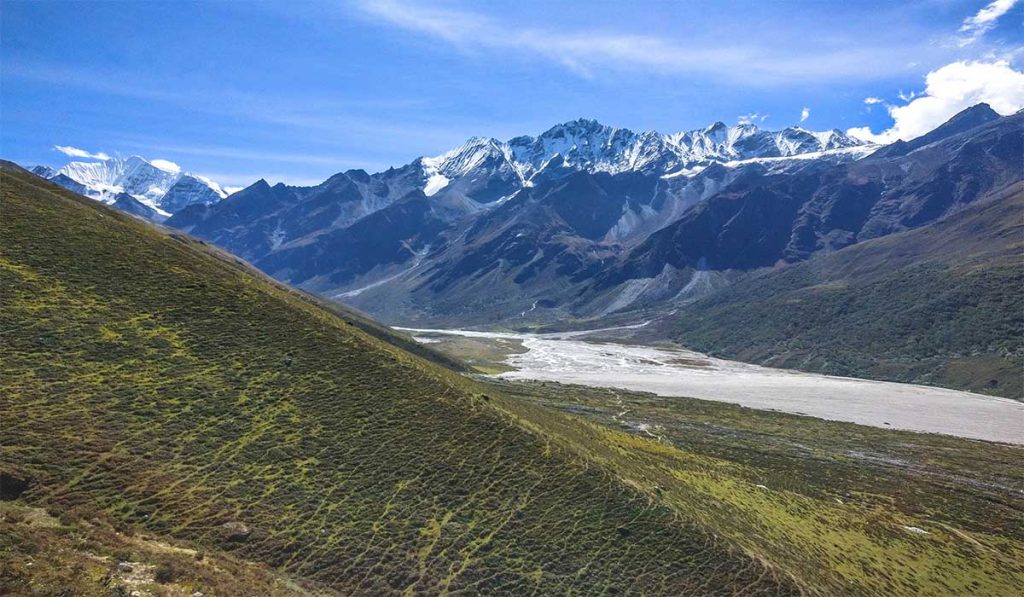
Autumn (September to November) offers the best mountain visibility. The monsoon rains have just finished washing the dust out of the atmosphere. As such, the skies are crystal clear. If your main goal is photography or seeing the white peaks of Langtang Lirung against a deep blue sky, this is the best time for Langtang Valley trek, be it of 8 days or 10 days.
Average autumn temperatures: Days are pleasant at 10°C to 20°C, but nights get significantly colder, dropping to -5°C to -10°C by late November.
September: Post-Monsoon Perks
The first autumn month is for the adventurous trekker who wants lush greenery and does not mind a little mud on the trail. Technically, it is the tail end of the monsoon, meaning the trails can still be slippery and leeches are present until mid-September. However, if you decide to undertake the trek this month, the reward is a green valley that hasn’t turned brown yet.
Radiant Treks Insight: Aim for late September, and you will get the best of both worlds. It means the vibrant greenery of the monsoon and the clearing skies of autumn, all without the peak season crowds.
Temperature Check
- Lower Valley: 15°C to 25°C (Day); 10°C to 12°C (Night)
- Kyanjin Gompa: 10°C to 15°C (Day); 0°C to 5°C (Night)
October: Best of the Best
October is the best time for Langtang Valley trek if you want guaranteed views, a festive environment, and comfortable temperatures. Likewise, the weather is stable, the mountain views are razor-sharp, and there is almost no risk of rain. The Langtang Valley temperature is perfect for hiking during the day, though you will need a fleece jacket once the sun goes down.
Because this is also the month of festivals, you will likely see linge ping (swing made in bamboo poles) set up in villages like Syabrubesi for Dashain and Tihar.
However, be warned that this perfection attracts crowds, so pre-booking teahouses is essential. You can contact Radiant Treks for this part of the journey.
Temperature Check
- Lower Valley: 15°C to 20°C (Day); 5°C to 10°C (Night)
- Kyanjin Gompa: 6°C to 12°C (Day); -3°C to -5°C (Night)
November: Clearest Skies
November is one of the best times to trek to Langtang Valley because this month has the clearest skies of the entire year. Similarly, the air is dry and crisp and offers the best views of the Himalayas. However, the temperature begins to plummet in this month.
By mid-November, the streams start to freeze, and you will need a heavy down jacket, rated for -10°C, for the evenings. Yet this is the choice of month for serious photographers who don’t mind braving the cold for that perfect and cloud-free shot of the glaciers.
Temperature Check
- Lower Valley: 12°C to 15°C (Day); 0°C to 5°C (Night)
- Kyanjin Gompa: 4°C to 8°C (Day); -7°C to -10°C (Night)
Winter: The Season of Solitude

Winter (December to February) can be your best time for Langtang Valley trek if you are someone who hates crowds and prefers crisp, exceptionally clear views. The winter nights are freezing, but the days are often surprisingly sunny and stable. Thus, it would not be otherwise to call winter a secret season for experienced trekkers who want to see the valley covered in a blanket of snow.
Average winter temperatures: Days are cool but sunny at 5°C to 10°C. Winter, while nights are extreme, dropping to -10°C to -15°C.
December: Winter Wonderland
The first winter month of December offers the clearest mountain views of the year. This month can rival even late autumn in terms of clarity and views. The first half of this month is dry most of the time. Thus, this is a fantastic time to trek before the heavy snow sets in the Langtang region. As such, you will likely walk on dry trails until Langtang Village, where the winter snow line usually begins.
Temperature Check
- Lower Valley: 10°C to 15°C (Day); 0°C to -3°C (Night)
- Kyanjin Gompa: 4°C to 7°C (Day); -10°C to -12°C (Night)
Radiant Treks Insight: Don’t fear the cold during the day because walking in the winter sun feels warm. However, once the sun drops behind the peaks by late afternoon, the temperature plummets immediately. To deal with this situation, bring a down jacket rated for -20°C.
January and February: White Wilderness
In these two winter months, the trails are almost empty. Also, the silence is profound in January and February. However, heavy snow can occasionally block the path to Kyanjin Ri or Tserko Ri. So, you should be flexible regarding your Langtang Valley trek itinerary in these winter months.
Temperature Check
- Lower Valley: 8°C to 12°C (Day); -2°C to -5°C (Night)
- Kyanjin Gompa: 2°C to 5°C (Day); -15°C (Night)
Cultural Bonus: February is often the month of Sonam Lhosar (Tamang New Year). If your dates align, you might witness beautiful masked dances and feasts in the monasteries of Langtang Village. It is a cultural experience most peak-season trekkers of the Langtang region miss.
Monsoon: The Green Season

Even the monsoon (June to August) can be called the best time for Langtang Valley, and that is especially true for those who love plants or want to see the Himalayas in their raw, wild state. It is not about mountain views because they are often hidden.
However, monsoon is more about the experience of the forestlands. The valley turns totally green, waterfalls seem to be in their full force, and the cloud forests feel mystical.
Average monsoon temperatures: Warm and humid. Days hit 20°C to 28°C, and nights stay mild at 15°C to 18°C.
June: Pre-Monsoon Build Up
In this month, the weather transitions from spring heat to summer rain. As such, there is a rise in humidity. And while the mornings are often clear, afternoon showers become the norm in June. This is the last window to trek to the Langtang Valley before the leeches fully take over the lower forests.
Temperature Check
- Lower Valley: 25°C to 28°C (Day); 15°C (Night)
- Kyanjin Gompa: 15°C to 18°C (Day); 5°C (Night)
July and August: Wet and Wild Months
This is the peak of the rainy season in the Langtang region. You won’t get mountain views every day, but giant waterfalls that are dry for the rest of the year suddenly are active. The sound of water is everywhere, be it roaring rivers, streams, as well as the rhythm of rain on teahouse tin roofs.
Temperature Check
- Lower Valley: 22°C to 25°C (Day); 18°C (Night)
- Kyanjin Gompa: 16°C (Day); 8°C (Night)
Radiant Treks Insight: The trails will be muddy, and you will meet leeches in the lower forests. Thus, carry a little salt or salt water spray to keep them away. In addition, the teahouses are almost empty, and the owners have time to sit and chat with you.
Common Seasonal Mistakes to Avoid
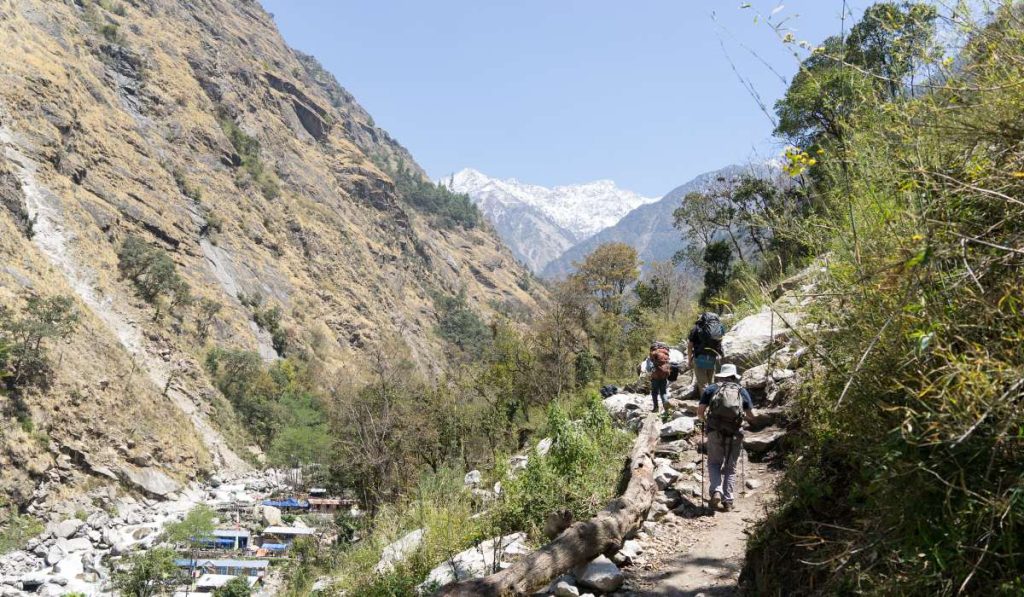
Trekkers often make some mistakes that can ruin their trip. Based on our experiences, we suggest you avoid the following mistakes:
- In Spring: Do not underestimate the wind, and carry a wind-resistant jacket.
- In Monsoon: After walking in rain continuously for days, no boot is truly waterproof. Therefore, bring breathable trail runners that dry fast, or plenty of dry socks and plastic bags for camp.
- In Autumn: Not booking ahead can be a trouble, especially for October when it is packed. So, let us handle your bookings.
- In Winter: Starting late in the morning means you need to hike till late in the evening. And the temperature drops the moment the sun goes down, risking hypothermia.
Road Conditions in Off-Season

The trek starts and ends with a drive. Based on our standard Langtang Valley Trek itinerary, the journey begins with a 7 to 8-hour drive from Kathmandu to Syabrubesi (1,503m). While spring and autumn drives are generally predictable, the off-seasons require specific planning.
How Bad is the Road in the Monsoon?
Monsoon is the most challenging time for logistics. In the Pasang Lhamu Highway, the stretch near Ramche and Dhunche is prone to landslides and mudflows. Similarly, delays are common, and the road can be closed for hours to clear debris.
What About Road Conditions in Winter?
Surprisingly, road conditions in winter are often better than in the monsoon. The roads are dry, but morning fog can affect travel. Meanwhile, snow rarely blocks the drive to Syabrubesi. Nonetheless, the main logistical shift is on the trail itself: fewer teahouses remain open, so we confirm bookings in advance to ensure you always have a warm fire waiting at the end of the day.
Seasonal Logistics and Safety
| Seasons | Daylight, Difficulty, and Safety |
| Spring(March–May) | Daylight: Long (13+ hours). Sunset around 6:30 PM. Difficulty: Moderate. Expect some lingering snow or ice in March. Main Risk: Rare avalanches near Mundu or Langtang Village during the thaw. |
| Monsoon(June–Aug) | Daylight: Longest (14 hours). Sunset around 7:00 PM. Difficulty: Hard. Slippery mud, leeches, and humid trails. Main Risk: Landslides on the drive from Kathmandu and slippery rocks on the trail. |
| Autumn(Sept–Nov) | Daylight: Almost equal duration of day and night (11 hours). Sunset around 5:30 PM. Difficulty: Moderate. Trails are dry and stable, though often dusty. Main Risk: Altitude sickness (trekkers tend to ascend too fast due to good weather). |
| Winter(Dec–Feb) | Daylight: Short (Less than 10 hours). Dark by 5:00 PM, need to start early. Difficulty: Hard. Patches of black ice on trails and deep snow at Kyanjin Ri. Main Risk: Hypothermia and frostbite because the temperature drops rapidly at sunset. |
Cultural Timing
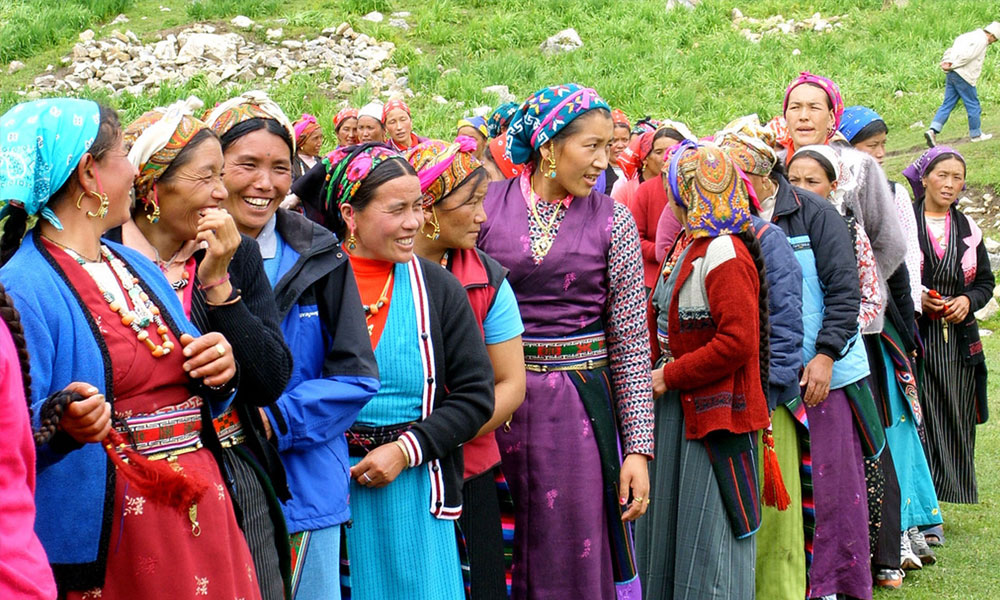
If you are someone who wants to explore the cultural aspects of the Langtang region, then time your trek for either February, April, or October. For instance, if you crave fresh local cheese, visit between mid-April and October before the Kyanjin factory closes for winter.
Alternatively, align your trip with a festival if you want to see the valley come alive. You can see the vibrant masked dances of Tamang Lhosar in February. Likewise, the spiritual pilgrimage journey of Janai Purnima is seen in August. Or you can enjoy the joyous village celebrations of Dashain and Tihar in October and November.
When to Go for Wildlife
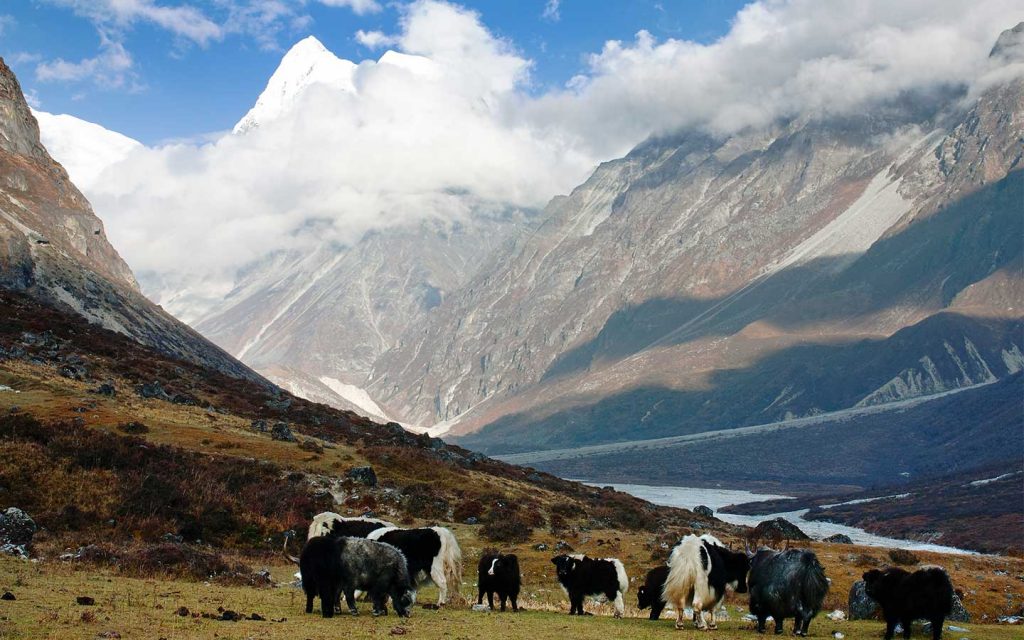
If sighting wildlife during the Langtang Valley trek is your goal, then time your journey accordingly. To spot the elusive Red Panda in the forests near Ghoda Tabela, aim for the trek during March to May or October. They are most active in these months.
On the other hand, you can see yaks in colder months. Likewise, in summer, they migrate to high, remote pastures, often disappearing from view. However, in winter, they descend to lower elevations. As such, if you opt for a winter trek, then you will share the trail with herds grazing right next to you in Langtang Village.
Gear Adjustments by Season

Your packing list must evolve with the time of the year you choose to trek to the Langtang Valley. While the basics of the packing remain the same, here is how we suggest you adapt your gear.
Winter
- Teahouse blankets aren’t enough; bring a -20°C sleeping bag.
- Cold drains electronics instantly, so pack a heavy-duty power bank (keep it inside your sleeping bag at night).
- Microspikes are also essential for safety on icy patches near waterfalls.
Monsoon
- Skip the heavy Gore-Tex jackets; the humidity makes them too sweaty.
- A poncho is superior because it covers your backpack and allows airflow.
- Carry a sturdy trekking umbrella as it keeps you dry during light rain without overheating.
Spring and Autumn
- Prepare for the temperature swing as you will start hiking freezing at dawn and be in a T-shirt by noon, so a flexible layering system is key.
- The trails get dusty, so bring a buff to protect your lungs.
The Non-Negotiables for All Seasons
The following items are mandatory for a safe trek regardless of the month or season you visit this region.
For Feet: Broken-in waterproof boots are non-negotiable. Pair them with merino wool socks instead of cotton, as it can cause blisters.
Hydration: Bring two refillable bottles and purification tablets. Buying water bottles at higher altitudes is expensive and adds plastic waste to the valley. So, treating your own is the smart move.
Sun Defense: The high-altitude sun is aggressive, even in winter. Therefore, good sunglasses, high-SPF sunscreen, and lip balm are mandatory to avoid snow blindness or cracked lips.
Daily Tools: A headlamp is vital, and trekking poles will be your best friends on those steep and knee-grinding descents.
Make the Choice
There is no single best time to trek Langtang Valley. Every season can be suitable based on your needs and preferences. Also, the mountains don’t care what month it is, and they are always spectacular. Therefore, the key is not finding a flawless month. But it is about matching the season to your personality. If you respect the weather and pack the right gear, Langtang will welcome you throughout the year, whether it’s covered in snow or blooming with flowers.
Contact Us Today
Still can’t decide which month is the one for you? Do not worry, as it is a big decision. At Radiant Treks, we have guided this valley in every condition imaginable. Send us a message about what you are looking for, and we will help you pinpoint your ideal window. You can visit our website, contact us and make the final decision.
FAQs

Is there a single best time for Langtang Valley trek?
While autumn and spring are considered the best, it is possible to trek this valley in winter and monsoon too, with some precautions.
Is the Langtang Valley trek actually difficult?
It is a moderate trek. If you can hike 5 to 6 hours with a daypack, you will be fine in all seasons. Just remember that winter snow and monsoon mud can make it physically harder.
Do I really need a guide for Langtang Valley trek?
Yes, and not just because the government banned solo trekking. Honestly, the trail is easy to follow, but a guide is your safety net. When a cloud rolls in monsoon and visibility drops to zero, or when a teahouse is full in peak October, you will be glad a guide is there to help you out.
Will I get altitude sickness?
It is possible, but less likely than on the standard Everest Base Camp Trek. You sleep at Kyanjin Gompa, which is high enough to feel a headache, but you need not go to the height of 5,545 meters (Kalapathhar) like in the 12 Days Everest Base Camp Trek. But one must maintain a gradual pace irrespective of weather conditions. Just because autumn and spring are nice, you should not walk too fast, as you can get sick.
Can I charge my electronic devices?
Yes, but manage your expectations. Most teahouses have solar charging. In peak season, there might be a queue of trekkers for the outlets. In winter, the cold can drain batteries in minutes. So, sleep with your batteries inside your sleeping bag to keep them warm.