If you are eager to catch a glimpse of Everest and the surrounding summits up close or soak in Nepal’s winter vibes, trekking in Nepal in January promises an awesome experience.
What is the feel of trekking during this month? Imagine waking up in a warm little teahouse high up in the Himalayas, drawing in that crisp and fresh air amid snowy mountains. That’s what January brings to the table in Nepal. It gives a feeling of stepping into a quiet, frozen wonderland.
But trekking in Nepal in January is not for the faint-hearted. You cannot escape the reality of very cold nights, snow on trails and shorter days. These conditions make every hike a test of planning and grit.
Nonetheless, the weather is freezing in high altitudes and becomes mild in the valleys. This shapes your itinerary as the January weather determines where to trek and what to see. For instance, some high passes may close due to snowfall. This makes it impossible to trek that part. But lower trails are open and offer epic scenery.

Likewise, crowds have thinned out in January. As such, be it the Everest Panorama Trek or treks of Ghorepani Poonhill Ghandruk and Langtang Valley along with Annaurna Base Camp, it is possible to explore the trails amid solitude.
January trekking also means you are in the Himalayan nation in the off-season. So, look forward to dropping in costs, making your teahouse stay and flights cheaper.
Beyond trekking, you can also visit the temples of Kathmandu or the jungles of Chitwan. You can join winter festivals or go paragliding in Pokhara.
January in Nepal offers a plethora of activities and destinations for both seasoned trekkers and beginners, offering a one-of-a-kind adventure experience. And Radiant Treks is there to guide you throughout your journey.
Highlights
- Dry and clear skies of January offer breathtaking winter scenery
- Peaceful hikes are possible due to the tranquil trails, and they allow a deeper connection to nature
- Winter trekking is affordable to explore Nepal’s mountains due to it being off-season
- January festivals like Maghe Sankrati and Sonam Lhosar reveal Nepal’s cultural richness
- Spot elusive wildlife, including red pandas and snow leopards
- Trekkers’ test of endurance in icy trails and cold temperatures in January
- Alternative touring options in Kathmandu, Chitwan and Pokhara are available
Why Go to Nepal in January?
Choosing January for your Nepal adventure can be a smart move. There are plenty of reasons that justify January as a suitable time of the year to explore the trekking zones, as well as other attractions in Nepal. While this winter month comes with a few seasonal challenges, the unique rewards of this month continue to draw adventure enthusiasts out there.
Here is a closer look at why January is worth considering for treks and tours.
Winter Weather
January is often referred to as winter’s heart in Nepal and the weather varies greatly by altitude and region in this month. The daytime temperature in the lowlands around Kathmandu or Pokhara remains between 10°C and 20°C. It often drops to near freezing at night. The temperature during the day is pleasant for strolling but chilly after sunset.
The condition is different in areas above 3,000 meters. The daytime highs might be around 5°C but nights plummet to -20°C or lower. Expect wind chill as well, making the experience brutal.
Snowfall in the mountains is one of the highlights of this month. As a result, the trails turn icy, often making them slippery. However, the rainfall is minimal in January, averaging 14mm in Kathmandu. Higher spots like Namche Bazaar see around 26mm of average rainfall. Therefore, you can expect mostly sunny and crisp days with occasional morning fogs in the valleys while trekking in Nepal in January.
January is drier as compared to monsoon-soaked summer and milder spring. This means there are fewer leeches on the trails and the chance of the occurrence of landslides is less.
Nonetheless, you should always be ready for extremes and pack accordingly. Always check weather forecasts via apps or local guides. This is important because sudden blizzards can close high passes.
Meanwhile, the skies are super clear, thanks to less humidity. So, expect to see the Himalayan views like never before. Add to that the absence of hazy summer vibes. All you get is sharp, postcard-worthy panoramas.
To sum it up, the weather is cold and unpredictable in January yet those clear skies and drier trails make every shiver worth it.
Peaceful Paths
January, the second month of winter, gives you peaceful trekking paths. As such, rather than the buzzing of trekkers, the sounds of crunching snow and distant yak bells accompany you along the trails.
The reason is the significant drop in the number of trekkers. There may be a fraction of the usual traffic on the routes of Annapurna or Langtang. There are chances you might go hours without seeing another soul on the trail.
If you are someone who loves solitude, then this deep and soul-soothing quiet ambiance offers the perfect retreat for you in the Himalayas. Also, fewer people on the trail means less strain on the path, cleaner air and a chance to enjoy the authentic moments all to yourself.
Budget Travel
Hitting the trekking trails in Nepal in January not only means avoiding crowds, but also opting for a less expensive journey. With the number of tourists reducing in winter, the rates of teahouses and lodges tend to go down. The costs of food ease up, too, and the meals are cheaper due to their low demand. The flights are also cheaper in this off-season month as compared to the peak seasons of autumn or spring.
This lets you either save the money or splurge on comforts, like extra cups of hot lemon to keep away the chill. And this won’t break your bank either.
Festive Vibes
Nepal celebrates a couple of festivals in January, and they offer you an opportunity to witness the rich cultural heritage of the country. Start with Maghe Sankranti. It is marked on the first day of Magh in the Bikram Sambat calendar and usually falls in mid-January. This festival signifies the end of the shortest days of winter as the sun shifts into Capricorn. This symbolizes the arrival of warmer days ahead.
The highlight of the festival: Families relish on feast of dishes comprising yams, sesame laddus, ghee and molasses treat. These food items are believed to warm the body and bring good luck. If you are trekking near villages, then you get to be a part of this cultural celebration.
Sonam Lhosar, the Tamang New Year, might also fall at the end of January. People partake in cultural events, traditional rituals as well as family gatherings to celebrate it.
Wildlife Sightings
Winter trekking means there is a chance of spotting wildlife in the highlands of Nepal. Red pandas can be seen if you are trekking in the eastern forests of Langtang National Park. Likewise, you might also spot the elusive snow leopards, especially in the Annapurna Conservation Area, among others. You might also get to see them in the Sagarmatha National Park, near Everest. Himalayan tahr and musk deer are other potential sightings along the trek. Pack binoculars as you set off for the trek if you are a wildlife enthusiast.

Challenges of January Treks
Trekking in Nepal in January has not only highs but lows as well. Yes, the cons are real. So, if you are thinking of Nepal trekking in January, understand the challenges first and prepare accordingly.
The first and most obvious thing is the cold weather. It is relentless and increases the trekkers’ chances of experiencing altitude sickness. The daylight hours are also shorter, and thus, you should start the trek early to avoid trekking in the dark.
The trails are also covered in ice, and often require you to take the support of crampons. Likewise, in case of an avalanche or heavy snow, your guide may reroute the trek. Or it might get cancelled if it is difficult to continue hiking.
In addition, the teahouses tend to shut down in January, limiting options. As a result, the food options available on the menu are reduced. Expect the repetition of dal bhat most of the time.
There might be a problem in transportation as well, especially the flights. The flights tend to face delays from fog. This is more common with flights to mountain airstrips.
Similarly, if you are a first timer, January is not an ideal time for trekking in Nepal unless you are extremely well-prepared for the challenges.
So, the choice is yours — if you are prepared or experienced and crave solitude, then you can go to higher elevations. Otherwise, stick to the lower routes to enjoy the glam of January in the trekking trails of Nepal.

Preparation Tips
Preparing for a January trek, whether you are an experienced or novice trekker, is more than packing a bag. It is about building resilience, both mental and physical, to face the winter odds. It also includes arranging for other logistics like permits, travel insurance and guides, among other things.
Start with fitness: To be prepared for trekking in Nepal in January, aim for 4 to 6 weeks of physical training. It should include a mix of cardio exercises like hiking with a backpack, swimming and running. Strength training featuring squats and core work is also necessary. They train you to handle the cold weather’s drain on energy.
Itinerary with rest days: Acclimatization is a key to staying safe in high altitudes and succeeding in the trek. So, when planning your itinerary for the January trek in Nepal, ensure it has rest days. This is mandatory as winter cold exacerbates its symptoms.
Permits: Trekking in Nepal requires you to obtain permits and it is non-negotiable. You need to get the permits that are specific to the area you visit. For instance, you need to obtain the Annapurna Conservation Area Permit if you are trekking to the Annapurna Base Camp. Likewise, a Langtang Valley Entry Permit is what you will need for the Langtang Valley trek.
Travel insurance: It is a must for you to get comprehensive insurance covering evacuations. This has been made mandatory for your own good, as helicopter rescues are not cheap. And if you have insurance, then it covers the cost, saving you a lot of money.
Hire locals: Hire porters to ease your load. At the same time, the guides know the route, provide local insights, and keep you safe during avalanches and other dangers like health emergencies.

Packing List for January Trekking in Nepal
Packing the right gear helps you brave cold temperatures, icy trails and shorter daylight hours of January. So, ensure that the items you will be bringing along on the trek are sufficient enough to keep you warm, safe and comfortable. You should have everything from layered clothing to trekking essentials.
Here is a breakdown:
| Essentials | Why It Matters |
| Clothing Thermal layers (merino wool) Fleece mid-layers Down jacket Waterproof shell pants/jacket Wool socks (2-3 pairs) Gloves (liner and insulated)Balaclava or hat | Protection against cold bitesLayers trap heat and wick sweatMerino wool fights odor on multi-day hauls |
| FootwearInsulated trekking boots (waterproof, good grip) Gaiters Microspikes or crampons | Snow and ice demand tractionGaiters keep snow and debris out of shoes |
| GearSleeping bag with a rating of -20°CLiner for extra warmth Trekking polesHeadlamp with spare batteries UV sunglasses High-SPF sunscreen/lip balm | Nights are freezing and thus a sleeping bag and a liner are neededTrekking poles aid balance on slick trails Dy air burns skin and thus sunglasses, sunscreen and lip balm provide protection |
| EssentialsFirst-aid kit (blister pads, ibuprofen, Diamox for altitude) Water bottle/insulator Purification tablets Energy snacks (nuts, bars)Multi-tool | Hydration reduces the risk of frostbite Snacks fuel when meals are sparseMuti-tools come in handy for small repairs and gear adjustments |
| Tech/OtherPortable charger, solar charger if possible Camera Journal Cash as ATMs are scarce | Power dies fast in cold and solar chargers are a better alternative for areas with no access to electricityATMs are scarce along the remote trekking trails |
Best Destinations for January Trekking in Nepal
January favors trekking in lower and mid-level altitudes as the snow is manageable in these areas. You are also able to avoid high passes where the temperature is freezing and snow often blocks the path. Based on accessibility, views and winner viability, here is a list of the 6 best destinations for trekking in Nepal in January.

Everest Panorama Trek
The 7 Days Everest Panorama Trek is a great choice for January as it stays at moderate altitudes. It offers spectacular views of Mount Everest and its surroundings without going to the Everest Base Camp or Kala Patthar. You reach as high as 3,860 meters in Tengboche as a part of this journey. This makes it less risky for winter treks as compared to other high-altitude treks, like the 15-day long Everest Base Camp Trek or the 12 Days EBC Trek.
There is a lower risk of extreme cold and heavy snowfall in this region in January, making the trail generally manageable even in winter. Enjoy stunning panoramas of Everest, Lhotse, Nuptse and Ama Dablam thanks to the crisp and dry air of January. Also, the teahouses remain open, making the trek safe and comfortable.

Annapurna Base Camp Trek
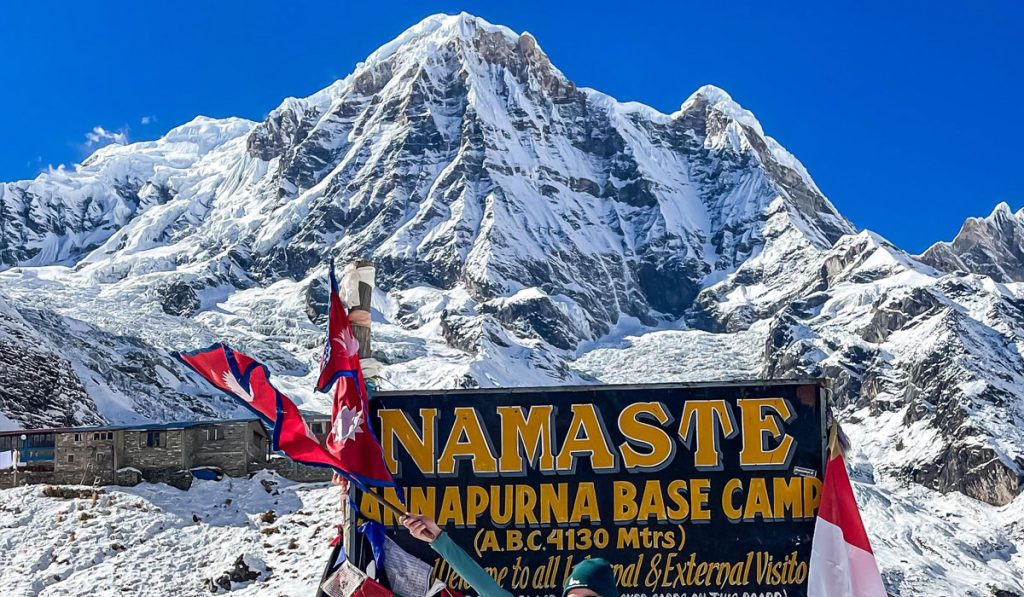
This 10-13-day trek to the Annapurna Base Camp reaches 4,130 meters, blending moderate and a few difficult sections. You can opt for the 10 Days Annapurna Base Camp Trek that winds through Gurung hamlets and forests. Or you can join the 13-day Annapurna Base Camp Trek with Poon Hill. Along with hiking the culturally and naturally vibrant trails, you get to see winter snow dusting the sanctuary. It feels like you are in a fairy-tale amphitheater of peaks. The temperatures range from -2°C to -17°C. And hot springs at Jhinu Danda are a post-trek treat.

Mardi Himal Trek
The Mardi Himal Trek is a shorter journey of 5 days that takes you to the hidden gem within the Annapurna vistas. The maximum height you reach is the Mardi Himal Base Camp at 4,500 meters. The lower risk of snowfall keeps the paths open. The basic lodging facilities will keep you warm and comfortable. With temperatures ranging between -2°C and -12°C, it becomes an easy to moderate trek and ideal for those wanting big views without the slog.

Langtang Valley Trek
The Langtang Valley Trek, whether you opt for the journey of 10 days or 8 days, is a moderate to challenging hike above 5,000 meters. Tserko Ri, at an altitude of 5,033 meters, is the highest point of the trek. But one may choose to hike only up to Kyanjin Ri (4,773 meters) owing to the challenges of winter. En route, you can also enjoy views of frozen lakes. The Tamang culture is another spectacle. Add to that the yaks and monasteries illuminated by the winter sun. Expect the temperatures to range between -3°C and -12°C, and prepare accordingly.

Ghorepani Poon Hill Ghandruk Trek
The short trek of 7 days is ideal for beginners as it features minimal snow and not-so-harsh weather conditions. The temperatures hover between 3°C and -7°C, making the trek doable. If lucky, you might be able to see the rhododendrons that bloom early. The journey takes you from Kathmandu to Pokhara and then ascending to Ghorepani and Poon Hill before descending to Ghandruk. Poon Hill at 3,210 meters is the maximum height you reach. Watching the surprise from this viewpoint, along with witnessing Annapurna I, Dhaulagiri and Machhapuchhre, among others, are the highlights of this trek.

Pikey Peak Trek
If you are looking for a trek that is short as well as easy for your January adventure, then the Pikey Peak Trek could be one option. It is a hike to the summit of Pikey Peak in the Everest region. This serves as a viewpoint from where you can explore the Himalayan vista comprising Everest. You also get to see Numbur Chuli, Cho Oyu and Thamserku, among others. Add to that the snowy charm along the trail and monastery stops that allow for cultural immersions. Temperatures also range between 0°C and -10°C. The newly opened trekking trail is ideal for solitude seekers in January.
Touring Options: Alternatives or Add-Ons to Trekking
There are perfect alternatives for you to explore in Nepal if trekking feels too cold in January. Or even if you want to unwind post-trek, there are plenty of touring spots. They deliver adventure without the tough climb to extreme altitudes. They are suitable for families, seniors, or anyone craving culture and nature without strenuous hikes.

Kathmandu One Day City Tour
You can start in Kathmandu Valley, a UNESCO World Heritage Site with temples like Pashupatinath, Bouddhanath Stupa and Swoyambhunath. Along with exploring these sites of religious and cultural importance, visit the historic Kathmandu and Patan Durbar Squares. You can explore these sites via guided walks or rickshaws while soaking in the cool and clear air of January. You can explore numerous places in a single day by joining the Kathmandu One Day City Tour.
Kathmandu Half Day Sightseeing Tour
If you are short on time, then you can opt for the Kathmandu Half Day Sightseeing Tour as well. It is almost similar to the one-day trip, minus the visit to the Patan Durbar Square.
Kathmandu Chitwan Pokhara Tour
It is a longer tour of 9 days that takes you to three popular cities of the country — Kathmandu, Chitwan and Pokhara. The tour covers almost every important place in each city and that too in a single tour.
The Kathmandu Chitwan Pokhara Tour lets you explore the sites of historic and cultural importance in Kathmandu. The tour of the Chitwan National Park is an adventure in the wilderness. You can observe a variety of birds and animals along with enjoying cultural shows of the indigenous Tharu community. Chitwan gets more bearable, temeprature wise as compared to the summer months, allowing for a comfortable tour.
The tour gets more thrilling and exciting as you reach Pokhara for activities like bungee jumping, paragliding and sky diving, among others. And you get close-up views of mountains along with lakes here.
This comprehensive tour is ideal in January as the month offers clear views and the scenery is at its most striking phase.
Champadevi Day Hike
It is a perfect day trek for adventure seekers in January. The 4-6-hour trek requires you to climb to an altitude of 2,285 meters in the Champadevi Hill, which sits near Kathmandu. Starting from Pharping, you need to walk through pine forests and meadows, passing the Champadevi Temple.
From atop the hill, you can see Langtang, Gaurishankar and Annapurna ranges. The views are clear due to the clean and crisp skies of January. With daytime temperatures ranging between 10°C and 15°C in January, the trek becomes a comfortable experience.

Accommodation and Food
Expect to stay in teahouses with basic facilities along the trekking trail in January. But many accommodation facilities in higher altitudes tend to close due to the cold weather. So, it is advised either to book in advance or opt for camping after obtaining the permit for the same. In the teahouses that open, expect shared rooms with wood stoves.
Meanwhile, the food is hearty but the options are limited. Dal bhat, a combination of rice, lentil, curry and chutney, is popular and commonly available. You will also find momo and noodles. Yet remember that the price of these food items increases with altitude. So, prepare your budget for the meals accordingly.
Safety Tips for January Treks
It is a magical experience trekking in Nepal in January. But winter conditions demand extra caution due to the challenges that come with the season. Snow, ice and cold temperatures can be detrimental not only to your trek but to your overall health as well.
To stay prepared and protected for your winter adventure, follow these safety tips:
- Always monitor the weather and continue ahead in the trek only if the January weather is deemed safe during the forecasts.
- Avoid solo trekking above 3,000 meters where ice makes the paths slippery. Crampons are must-haves to navigate such areas.
- As altitude sickness strikes harder in cold, ascend no more than 500m a day. Use Diamox as a precaution if you feel you are prone to it.
- Listen to your body. Cold masks fatigue, and so rest often.
- Cell phone services are sporadic in remote areas. So, carry a satellite phone for emergencies.
- Familiarize yourself with the protocols of emergency evacuation.
- Respect wildlife and stay on the trail to avoid animals like yaks and snow leopards.
- Leave no trace on the trail and pack out trash.
- Hire licensed guides as they know the route as well as possess local insight.
- If fog grounds flights, be patient. Remember, delays are common in the winter months.

FAQs
Is it possible to trek in Nepal in January?
Yes, Nepal offers a plethora of options for January trekking. But it might be too cold for beginners for trekking in higher altitudes. They can opt for treks in lower areas like Poon Hill.
Can I trek solo in January?
It is possible to do so in popular routes that do not require the guide to accompany you. Yet guidelines are recommended for safety.
How to handle altitude in the winter months, like January?
Slow ascent, staying hydrated and monitoring symptoms help you deal with altitude sickness.
Are flights to the start points of different treks reliable in January?
The flights are often delayed due to dense fog, leading to poor visibility. So, keep your itinerary flexible with buffer days.
What if it snows heavily in January?
Depending on the situation, the treks are either rerouted or cancelled. Have flexible plans so that it is easy to adjust to the situation.