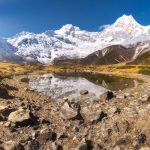
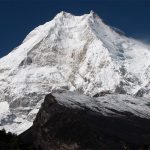
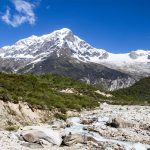
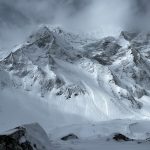
Yes, March is one of the best times for trekking Manaslu. This adventure takes you into the beautiful Himalayas and connects you with ancient cultures. For anyone wondering about the Manaslu trek in March, the experience offers clearer spring skies, quieter trails, and gradually warming temperatures compared to later spring months. The Ganesh Himal, Himal Chuli, and Mount Manaslu — the eighth-highest peak in the world (8,163 m) — stand out against the blue sky. Spring also brings blooming rhododendrons, adding color to the forests along the trail.
The trek begins from Machha Khola, following the Budhi Gandaki River through green forests and terraced hillsides. This path continues through traditional villages, like Salleri, Ghap, Lho, and Sho. An acclimatization stop at Samagaun allows time to rest and explore nearby places like Pungyen Gompa, Manaslu Base Camp, and Birendra Tal.
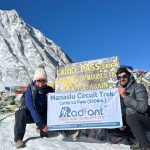
Crossing Larkya La Pass (5,106m) is the most physically demanding part of the journey. In March, snow from winter may linger there, but clear mornings often reward trekkers with mesmerizing views. This is a defining feature of Manaslu trek conditions in March. Passing through villages like Jagat, Samagaun, and Dharapani offers insight into the Gurung and Tibetan-influenced cultures of the Manaslu region.
Many trekkers wonder, is March the best time for Manaslu trek? While March falls within the spring trekking season, it remains quieter than April. Trails feel less crowded and teahouses are calmer. As a result, the journey feels more personal. For those seeking solitude, Manaslu Circuit Trek in March is the right choice.
It’s also possible to see wildlife at this time of year. You might even encounter endangered species like snow leopards and red pandas if you’re fortunate. Combined with pine, oak, and rhododendron forests, the landscape of Manaslu feels alive in March as winter slowly fades.

Why Manaslu Trek in March?
If you are eyeing the hike of Manaslu Circuit, March is when the mountain wakes up but the crowds haven’t. It’s less of a tourist rush and more of a quiet transition into spring.
Here is why choosing Manaslu in March is the right decision.
The Goldilocks Weather: March is warm enough that you aren’t shivering through your base layers all day. But the month is cool enough so you won’t overheat on those steep climbs.
- Daytime: A comfortable 5°C to 20°C.
- The Vibe: Crisp air and clear skies.
Flowers and Frozen Peaks: The lower trails start to pop with color as the rhododendron forests begin their bloom. Meanwhile, the high-altitude views of Manaslu and Ganesh Himal remain sharp and snow-capped. It’s a literal walk through two seasons — spring in the valleys and winter on the peaks.
Solitude on the Circuit: April and October in spring are known for crowds and the human traffic on the trail. By going in March, you get the same stunning views but with significantly more breathing room.
Cultural Depth: March often aligns with the Lhosar festival. The Tibetan New Year is celebrated in the region. This isn’t just a date on a calendar, but it is a time of traditional dances, monastery gatherings, and rituals. Manaslu trekking in March lets you experience the region’s spiritual heart.
The Larkya La Challenge: The Larkya La Pass is the crown jewel of this trek. In March, you usually get stable morning windows to make the crossing. Reaching the top and looking down toward Bhimtang under a clear blue sky is the kind of memory that stays with you forever.
March Weather and Temperature on Manaslu Trek
March weather in Manaslu is generally dry and stable. Compared to winter or monsoon seasons, the conditions feel predictable as well as forgiving in this spring month.
Daytime temperatures are warm, ranging from 5°C to 15°C in lower areas such as Machha Khola. Higher elevations like Samagaun and Larkya La Pass can drop below freezing at night, sometimes reaching around -6°C. Despite the cold nights, it is comfortable to trek during the daytime.
Rain and snowfall are rare in March. As a result, you need not face slippery trails and the risk of landslides. The trails are usually dry, making sure your adventure is safer and more enjoyable.
Compared to monsoon conditions, March weather is cooler. It means you feel fresh and energized during the trek. In addition, the clear skies reduce mental fatigue. And layered clothing is usually sufficient to maintain warmth at high altitudes.
Overall, Manaslu trek conditions in March are ideal for steady trekking with minimal weather-related disruptions.

What to Pack for Manaslu Trek in March
Packing for Manaslu hike in March is all about finding a balance between the spring thaw and the lingering winter chill. Since you’ll be moving from subtropical forests up to the snowy Larkya La Pass, your gear needs to be as versatile as the terrain.
Here is a breakdown of what you’ll actually need.
The Foundation
- The Pack: A 40 to 50 L backpack to carry your daily essentials (water, layers, camera).
- The Sleeping Bag: Bring a personal bag rated to -10°C to ensure you actually sleep rather than shiver.
The Layering Game
- Base Layers: Moisture-wicking is non-negotiable. Avoid cotton — it stays wet and gets cold.
- Mid-Layers: A solid fleece or a lightweight down jacket for insulation.
- Outer Shell: A windproof and waterproof jacket for those sudden Himalayan gusts or afternoon showers.
- Legwear: Breathable trekking pants for the trail and a pair of thermal bottoms for the freezing evenings at the teahouse.
Footwear and Accessories
- Boots: You need waterproof trekking boots
- Socks: Thick wool socks for the trek; a clean, dry pair dedicated just for sleeping.
- Other Essentials: A warm beanie, lightweight gloves, and a buff to protect your lungs from the dry, cold air.
Sun Protection and Tech
- The Shield: High-SPF sunscreen, lip balm, and polarized sunglasses
- Power Bank: Batteries drain faster in the cold.
- Light: A headlamp for those 4:00 am starts to cross pass.
Permits Required for March Manaslu Trek
When you are planning a Manaslu Circuit in March, the paperwork is arguably the trickiest part of the journey. Because this region sits on a sensitive border and is a protected conservation area, you can’t just show up with a backpack. The government requires three permits to let you through.
- Restricted Area Permit (RAP): This is the big one, costing USD 100 for your first week if trekking in March. You need to pay USD 15 for each additional day.
- MCAP and ACAP: They are both conservation area permits for the Manaslu and Annapurna regions, respectively. And each of them costs about USD 30.
These fees directly fund the trails and protect the local villages you’ll be passing through, like Samagaun and Namrung. The catch? You cannot legally apply for these on your own. Permit must be processed through a registered trekking agency with a licensed guide, and a minimum of two trekkers is no longer required.
When looking at Radiant Treks‘ Manaslu packages, keep in mind that we usually include these costs — and the headache of queues at the office — right into our full-service itineraries.

Manaslu Trek in March: Difficulty and Preparation Tips
Manaslu trekking in March places you right at the gateway of spring — a time of transition where the lower valleys begin to wake up, but the high passes still hold onto their winter character.
Is the Manaslu Circuit in March Difficult?
Generally, the Manaslu trek difficulty in March is classified as strenuous. You will not need technical mountaineering skills or ice axes to navigate this route. Yet you will still need stamina and respect for the elements on the March trek.
- The Challenge of Larkya La Pass: This is the ultimate test of the trek. The Larkya La Pass is located at an elevation of over 5,000 meters. This section is the highest and most demanding point of the journey. Deep, consolidated snow often covers the pass in March. Navigation requires focus, as the trail can be uneven and the descent toward Bimthang is notoriously steep.
How to Prepare for High-Altitude Trekking
Success at high altitudes isn’t just about grit. It is also about a 2-to-3-month strategy to condition your heart, muscles, and lungs. To handle 6 to 8 hours of daily walking, focus on the following things:
- Cardiovascular Endurance: Running, cycling, or swimming are non-negotiable. Aim for 3 to 4 sessions a week to improve your oxygen efficiency.
- Functional Strength: Focus on your legs and core. Squats, lunges, and planks will help you maintain balance on rocky, uneven terrain.
- Weighted Training: The best way to simulate the Manaslu trail is to put on your boots and a weighted backpack (5 to 10kg) and hit some hills. Training on inclines conditions your body to the specific stress of the Himalayas and helps reduce the initial shock of thin air.

Food and Accommodation Experience in March
Since March kicks off the peak of trekking season — spring — you will find plenty of open teahouses and well-stocked kitchens along the trail. Here’s what to expect:
Lodging: The Spring Reopening
Because March is the start of the peak season, teahouses are officially back in business.
Availability: Unlike the crowded months of April or October, you will have your choice of the best rooms. Most teahouses will be freshly cleaned and ready for the first spring trekkers.
Facilities: In lower spots like Machha Khola and Jagat, things are basic but comfortable. As you reach the acclimatization hubs of Samagaun and Samdo, you’ll find ‘luxury’ perks like Wi-Fi and hot showers — perfect for a mid-trek refresh.
Dining: Fueling Your Climb
The kitchens are fully stocked and ready for the spring rush.
- The Staples: You’ll find plenty of Dal Bhat (unlimited refills of lentils and rice) and momos. These are mountain favorites for a reason — they are filling and packed with energy.
- Variety: Most menus offer a surprising mix, including Tibetan bread, Thukpa (noodle soup), and even Western comforts like pizza and burgers if you’re craving a taste of home.
Important March Tips
- Sleeping Bag: While days are getting warmer, nights are still freezing — especially at higher altitudes like Samdo. Most teahouses only heat the dining area, so bring a 4-season sleeping bag to stay warm in your room.
- Snack Strategy: Buy your chocolates and nuts in Kathmandu or Machha Khola. In March, teahouses restock for the season, leading to prices at high altitudes (where mules carry everything) doubling or tripling.
- Hydration is Key: The air is dry in March. Stick to water and tea; avoid alcohol and excess caffeine, which can dehydrate you and make the climb to Larkya La much harder.
Manaslu Trekking in March: Route Overview
In March, your trek kicks off in the lower Budhi Gandaki Valley and follows riverside trails. In the process, you need to hike through lush, green forests, evident in March. You will also wander into traditional villages where the architecture is purely Tibetan-Buddhist, and the paths are lined with colorful prayer flags and ancient stone chortens.
As the trail climbs, the bamboo groves and oak forests eventually give way to the rugged, high alpine terrain surrounding the Larkya La Pass — making Manaslu in March especially rewarding.
The March journey breaks down like this:
- The Lowlands: Riverside strolls and dense forests connecting tiny settlements.
- The Mid-Section: Gurung and Tibetan villages filled with monasteries and carved mani walls.
- The High Zone: A world of snow-dusted paths and massive, panoramic mountain views.

Safety Considerations for March Trekkers
When on the trail, prioritize your health so that you have a safe and successful March Manaslu Trek.Here is a streamlined guide to overcoming these obstacles:
Acclimatization: The Golden Rule of Safety: Altitude sickness doesn’t care how fit you are; it cares how fast you go. A successful March trek depends on a ‘climb high, sleep low‘ philosophy.
- Rest Stops: Places like Samagaun and Dharamsala are important. These aren’t just rest stops; they are active recovery zones where your body produces the red blood cells needed to cross the pass.
Altitude Awareness: The thin air is your greatest challenge. The golden rule is to listen to your body — if you start feeling a persistent headache, dizziness, or nausea, don’t push through it. You can keep the risk low by maintaining a slow, steady pace, taking your acclimatization days seriously, and drinking way more water than you think you need.
Weather Realities: While March usually brings clearer skies, don’t let the lower-altitude sunshine fool you. High elevations can still get hit with cold winds. To face that, dress in versatile layers. As a result, you can adapt quickly.
Support and Preparation: Going with an experienced guide is important, especially when navigating the snow at Larkya La Pass. They know the terrain when the trail disappears.
- Pack a solid first-aid kit, and always remember: there’s no shame in descending.
- Turning back or resting an extra day is a sign of a smart trekker, not a weak one.
Final Say
March on the Manaslu Circuit is defined by balance. It’s the time when winter’s harshness fades, but the trekking ‘traffic’ hasn’t yet arrived. You aren’t just walking a trail; you are watching the Himalayas wake up in real-time. Expect crisp, high-contrast views. The air is cold enough to keep skies clear, but the sun finally holds enough warmth to make tea house porches comfortable.
Likewise, below 3,000 meters, there is lush greenery while rhododendrons bloom in reds.
With fewer crowds, the pace is unhurried. You may witness Lhosar festivities and experience local traditions in their authentic form. March quietly proves to be a valuable season for those seeking a journey that blends mountain solitude with the first breath of spring, offering a time of quiet immersion.