Overview
There’s something truly enchanting about being on the Manaslu Circuit Trek in December, when the Himalayas hide under a blanket of snow. Imagine standing before Mount Manaslu, the world’s eighth-highest peak at 8,163 meters, its majestic slopes shimmering in the sharp winter sunlight, with barely another trekker in sight to share the moment.
This trek encircles Mt Manaslu, also known as the ‘Mountain of the Spirit’ in local lore. And in this trek, you hike in the restricted Manaslu Conservation Area. Interestingly, the trek route features diverse flora, fauna and rich Magar and Tibetan cultures that feel intimate during the quieter off-season.
So, why choose December? The autumn crowds have long dispersed, making permits more attainable. You will also trek in serene solitude, crossing paths mainly with yak herders and soaring eagles in December.
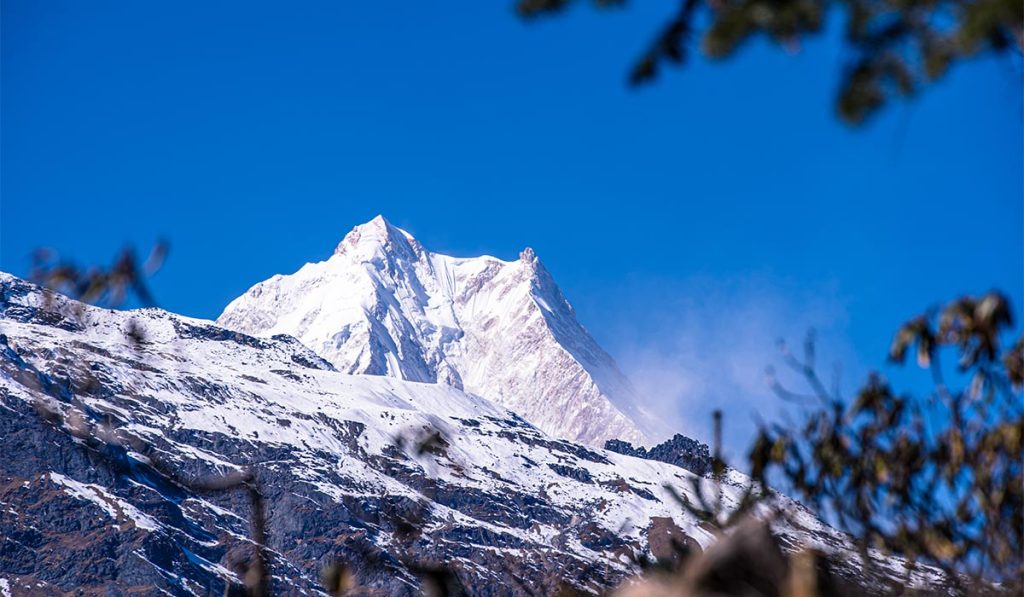
Similarly, the post-monsoon dryness delivers haze-free, postcard-perfect vistas of snow-capped giants like Ganesh Himal and the Manaslu massif.
Daytime temperatures hover at 10-15°C in the lower valleys but they plummet to -5°C or colder at higher elevations. Meanwhile, nights dip to a bone-chilling -20°C. But this cold gift has unparalleled sky clarity and fewer leeches than warmer months.
However, this winter trek has some challenges, too. December may see a sudden snowstorm in the Manaslu region. And it may cause heavy snow and close the Larkya La Pass.
But there are many payoffs of the December Manaslu Circuit trek. You are in a personal winter wonderland where landscapes transform into ethereal whites. And the reduced foot traffic minimizes environmental strain on fragile trails.
If you are fit, geared up and ready to respect nature’s raw power, this icy adventure could be your ultimate Himalayan triumph.

Highlights
- Witness breathtaking mountains with Manaslu, Himalchuli and Ganesh Himal covered in snow under clear skies
- Enjoy frozen lakes, icy waterfalls and forests covered in frost
- The paths are quiet and peaceful and offer true solitude for trekkers
- Meet locals in villages with Tibetan influence and visit old monasteries
- Cross the Larkya La Pass that is a thrilling challenge
- The trek moves through lush valleys, roaring rivers and high meadows
- You might spot Himalayan tahrs, red pandas or snow leopards in the wild
Why Trek Manaslu Circuit in December

The Manaslu Circuit trek in December might sound a bit daring as the extreme cold sets in. But it’s got some advantages that make it a good choice for adventurers who are craving something off the beaten path.
Here’s why this December trek of Manaslu Circuit could be your best decision yet.
Fewer Crowds for Serenity
December marks the start of winter in the Manaslu Circuit. With it comes a drastic drop in the number of trekkers visiting this region. As a result, the trails that buzz in autumn feel almost private. It means you can soak in the peace without dodging groups every few minutes. It’s the best chance to connect with nature and yourself.
Winter Scenery
The snow turns the Manaslu region into something magical. Think sparkling white peaks, frozen streams and forests dusted with snow. Clear skies mean unbeatable visibility and they make every viewpoint along the trekking trail a jaw-dropper. If you love that crisp and fresh winter vibe, then be in the Manaslu Circuit in December. After all, the Himalayas shine brightest in this month.
Cultural Immersion
With less foot traffic, locals have more time to chat in December. As such, you will get invited into teahouses where you can listen to the stories about their lives, traditions and how they handle the cold.
It’s a genuine peek into Tibetan-influenced communities. Complete the experience with visits to ancient gompas. Add to that the warm hospitality of the locals. It feels more personal in December due to the presence of fewer trekkers.
Budget Friendly
Accommodations and other services often come at a discount in December. This makes the season ideal for those looking to book a budget Manaslu trek without the high-season price tag.
Test of Resilience and Reward
Trekking in winter adds an extra layer of challenge, building your mental and physical toughness. Crossing snowy passes and enduring the chill gives a huge sense of accomplishment, making the views and experiences even sweeter.
December Weather and Temperature in Manaslu Circuit

With the end of autumn in November, December kicks off winter in the Manaslu Circuit. This month brings crisp and clear days that make the Himalayas beautiful. Yet they are known for severe cold, especially as you climb higher.
At lower elevations like Machha Khola or Jagat, which are in elevations between 800 meters to 1,300 meters, daytime temperatures hover between 10°C and -15°C.
The temperature feels mild enough for steady trekking in layers. Meanwhile, nights can cool up to 0-5°C in December. So, you must carry a warm sleeping bag during this trek.
As you ascend to places like Sama Gaon or Samdo (3,500-3,800m), things get chillier. Daytime temperatures drop to 0-5°C, with strong winds making it feel even nippier.
Up at Larkya La Pass at 5,160 meters, expect -5 to -10°C during the day. It plummets to -15 to -20°C or lower at night, where frostbite risks rise if you are not geared up.
Snow can dust the trails, particularly above 4,000 meters, turning paths slippery, but adding that pristine white glow.
Overall, December’s weather is mostly dry and sunny, with blue skies offering killer visibility for photos and views. This time is perfect for avoiding the monsoon haze or autumn crowds. Precipitation is low, but sudden flurries or fog can roll in, shortening daylight. The sun rises at around 7 AM and sets at 5 PM.
Mornings start frosty, warming slightly midday before cooling fast. It is invigorating if you are prepared, but the cold amplifies altitude effects, so hydrate and move slowly. Trekkers who have done it swear the clarity and solitude outweigh the shivers.
Manaslu Circuit Trek: December Difficulty

Trekking Manaslu Circuit in December takes the difficulty to an advanced level. So, it is suitable for fit and experienced hikers who have completed high-altitude routes before.
The standard circuit is already strenuous and spans 12 to 20 days over 177km. With daily elevation gains of 500 meters to 1,000 meters, December’s cold and snow push it into expert territory.
Physically, you are battling sub-zero temperatures that sap energy faster. The efforts you make in -5°C at high points feel exhausting during the daytime. And nights dip to -20°C, adding to the challenge.
The trail becomes slippery due to the accumulation of snow above 3,000 meters. As a result, navigation is trickier. Microspikes or crampons become essential to avoid slips on icy sections or the Larkya La Pass. This can add 2 to 3 extra hours to the crossings of the pass. This is especially true if the snow is fresh and deep.
Likewise, altitude sickness hits harder when the weather is cold. Thinner air and wind chill can quicken symptoms like headaches or nausea. Therefore, acclimatization is always important. Adding rest days is thus essential but that extends your timeline.
Logistically, shorter daylight hours of about 10 hours mean early starts and rushed finishes. This is necessary to beat the darkness and dropping temperatures. Some teahouses close for the season higher up, limiting lodging and forcing longer days or detours.
Weather unpredictability adds risk. A storm could snow-block the pass or strand you. It may even force a turnaround.
Mentally, the isolation and relentless chill build resilience. Yet it can wear on beginners.
Overall, this December trek is rewarding for professional trekkers with experience of winter trek. But skip if you are not cardio-strong, altitude-savvy or geared for extremes.
How to Prepare for Manaslu Circuit Trek in December

Getting ready for this trek isn’t just about packing — it’s about building your body, mind and logistics for the cold highs and lows.
Training
Start preparation for your physical fitness 2 to 3 months before starting this trek. Begin with a mix of cardio and strength training.
You can aim for hikes with elevation gain. Running, cycling or stair climbing are essential to boost your endurance. Throw in squats, lunges, and core exercises to handle steep terrain and a backpack.
Likewise, mental preparation is also a key. You should practice hiking in cold weather to get used to the discomfort. If you are new to high altitude, consider a shorter trek first.
Packing List
Layering is your best friend against the freezing temperatures of December. Once you have decided that you want to do the December Manaslu Circuit trek, pack the following essentials:
Clothing: Thermal base layers (merino wool), fleece mid-layers, down jacket rated for sub-zero, waterproof windproof outer shell, trekking pants, warm hats, neck gaiters, insulated gloves, and thick wool socks (multiple pairs).
Footwear: Waterproof, insulated and broken-in boots for trekking with good grip, microspikes or crampons for ice as well as gaiters to keep snow out.
Sleeping Gear: A sleeping bag that is rated -20°C with a liner and an inflatable mat for insulation.
Accessories: Trekking poles, headlamp with extra batteries, sunglasses, sunscreen with SPF, an insulated water bottle or thermos as well as a first-aid kit with blister care and pain relievers.
Other: Backpack with a capacity of 40-60L, energy snacks, portable charger as well as a trekking map or GPS app.

Permit Arrangement
As a restricted area, you can’t go solo. You will need the following permits:
- Manaslu Restricted Area Permit (MRAP), the permit fee is cheaper in winter
- Manaslu Conservation Area Permit (MCAP)
- Annapurna Conservation Area Permit (ACAP)
Get them through a registered trekking agency, Radiant Treks in Kathmandu. We handle the related paperwork and ensure you are with at least one other trekker and a guide.
Need for Guide and Porter for December Manaslu Circuit Trek

If you are trekking the Manaslu Circuit in December without proper support, then it is a recipe for trouble in the harsh winter conditions. Let’s break it down — having a guide and porter isn’t optional here. It is essential for staying safe, sane and actually enjoying the adventure amid the snow and solitude.
First off, a guide is mandatory because the Manaslu region is a restricted area. And Nepal’s rules require you to have one (plus at least one trekking partner) to even get your permits.
But in December, their role becomes a lifesaver beyond paperwork. Your guide will spot hidden crevices, reroute around icy patches. They keep an eye on rapidly changing weather. Sudden flurries or whiteouts can hit fast and the guides know the signs to stop or return before things get dangerous.
They will also scout ahead for open teahouses, since many shut down in the off-season chill, leaving fewer warm spots for rest.
Monitoring altitude sickness is another task. As the cold intensifies symptoms, a professional guide can catch early warnings, enforce acclimatization hikes and coordinate evacuations if needed.
As for a porter, think of them as your winter trek superpower. Hauling your own heavy pack (full of extra layers, insulated gear, and crampons) in sub-zero temperatures drains your energy quickly.
A porter takes up to 20 kg off your back, letting you trek lighter, breathe easier at high altitudes and conserve strength for those slippery climbs over Larkya La Pass.
Food and Accommodation in December

On the Manaslu Circuit in December, food and accommodation revolve around simple teahouses. They are cozy and family-run lodges that dot the trail. And they provide warmth and sustenance in the winter chill.
These aren’t luxury spots. So, expect basic rooms with shared baths. There are often squat toilets and bucket showers, if water hasn’t frozen.
Likewise, thin mattresses on wooden platforms and communal dining halls heated by yak dung stoves or occasional wood fires give a rural vibe.
Higher up, like in Samdo or Dharamsala, options thin out. Some teahouses close for the season due to harsh cold and low traffic, so your guide scouts ahead to secure spots, sometimes cramming groups into limited spaces.
Nights dip to -20°C, so bring a -20°C-rated sleeping bag and liner for insulation. Blankets are provided but might not be sufficient to beat the December cold.
Food-wise, it’s hearty Nepali fare to fuel your body. The star is dal bhat, a refillable plate of lentil soup, rice, veggies, pickles and occasional meat. This platter is packed with carbs for energy. Eat up, as portions are unlimited and perfect for cold-weather replenishment.
Meanwhile, breakfasts include Tibetan bread, porridge, eggs or chapati with tea (ginger or milk for warmth).
Lunches and dinners add momos (dumplings), thukpa (noodle soup), fried rice, or pasta, with soups to warm you up.
Vegetarians thrive here, but meat’s limited and pricier higher up. Carry snacks like energy bars as they refuel you while on the trek.
In December’s dry cold, meals cook more slowly over fires and hydration means endless hot drinks. As such, they are nourishing and communal, with locals sharing stories over steaming plates. As such, they turn basic eats into cultural highlights amid the snow.
Manaslu Circuit Trek: December Route Overview

The Manaslu Circuit Trek in December is a thrilling 177 km teahouse loop around Mount Manaslu. It starts and ends in Kathmandu.
The trek demands 12 to 20 days total, depending on the package you choose. There are diverse options — including our 15 Days Manaslu Circuit Trek itinerary, and 12 days budget Manaslu trek. If you add other destinations to the trek of the Manaslu Circuit, the duration can be long. Radiant Treks offers 20 Days Manaslu and Tsum Valley Trek, 16 Days Manaslu Annapurna Circuit Trek, and 18 Days Manaslu and Everest Base Camp Trek.
During the standard trek, you follow the Budhi Gandaki Valley upstream through forests and villages and climb to high settlements. Finally, you conquer Larkya La Pass and then descend into the Annapurna region — flexibility is key if blizzards hit.
Journey Start and Lowland Trek
Begin the December Manaslu Circuit Trek with a drive of around 8 hours from Kathmandu to Machha Khola (890m). Then, trek to Jagat (1,350m) over subtropical paths that are lined with waterfalls and forests. December’s mild 10-15°C days here feel inviting, but frost nips at night. You also need to cross suspension bridges over the roaring Budhi Gandaki River.
Mid-Route Ascent and Cultural Stops
Push upward to Deng (1,860m) through bamboo groves, then Namrung (2,660m), where Tibetan prayer flags flutter against emerging Manaslu views. Clear winter skies amplify the drama as you reach Sama Gaon (3,525m), a stone-walled village with yaks and monasteries.
River gorges narrow, trails gain grit with boulder hops and temperatures drop to 0-5°C in this section. Likewise, light snow is possible, making village stupas and mani walls perfect photo ops.
Acclimatization and High Village Prep
In Sama Gaon, rest and hike to Manaslu Base Camp (4,800m) or frozen Birendra Lake for altitude adjustment. The cold thickens December air, so hydrate amid gompa visits. Then, move to windswept Samdo (3,860m) near the Tibetan border. The route heads to Dharamsala (4,460m), from there. It is a sparse outpost where you can prepare for the high pass.
The December trek in this section means shorter days and they force early stops. In addition, winds howl, snow deepens and teahouses turn basic with yak dung fires for warmth.
The Epic Pass Crossing
Tackle Larkya La Pass (5,160m) in a grueling dawn-to-dusk push. You need to face glaciers, crampon-worthy ice, and -10 to -20°C cold bites. But the hike is rewarded with views of panoramic peaks like Himalchuli.
Afterwards, descend to Bimthang (3,610m) through meadows, knees aching on scree. The weather can shut this section of the trek. It is where your guides monitor forecasts closely for safe windows.
Descent and Return
Wind down from Bimthang via pine forests to Tilche and Dharapani (1,920m), where snow thins and temps rise. The trail links you to the Annapurna trails. After that, it is time to drive back to Kathmandu.
En route, reflect on the diverse shift from barren highs to lush lows, with potential detours you might have taken if the pass was blocked. You might have retraced to Sama Gaon if needed. Make your every step on the route memorable with the raw challenges of winter.
Final Thoughts
The Manaslu Circuit trek in December is a journey through a snowy Himalayan paradise. The journey tests and possibly transforms you. With its quiet trails, stunning views and cultural depth, it’s a trekker’s hidden gem. If you are up for the challenge, the rewards are immense.
Do not wait for it to happen. Instead, start planning your winter adventure today with Radiant Treks. We promise you take on an epic journey of the Manaslu Circuit in December.
You may also like:
FAQs

Is the Manaslu Circuit Trek doable in December?
Yes, you can trek to the Manaslu Circuit in early December because the conditions are more stable during this time. But the journey becomes challenging due to cold weather and snow.
How cold does it get on the trek in December?
Daytime temperatures range between 5°C and 10°C at lower elevations. And can be as low as -10°C higher up. At night, temperatures drop to -20°C or even below at Larkya La Pass.
Do I need to arrange for special gear for the December trek of the Manaslu Circuit?
Absolutely! You will need microspikes, a -20°C sleeping bag, insulated boots and thermal layers.
Can beginners do the Manaslu Circuit Trek in December?
As this trek is strenuous and one needs to face high altitude and cold weather, it is not recommended for beginners. Opt for spring or autumn if you are new, or choose easier winter treks like Poon Hill.
What if Larkya La Pass is snowed in?
You might have to turn back and retrace your route. Build in extra days for flexibility.
Are teahouses open in December?
Many are, especially lower down, but higher ones may close. Your guide will arrange what’s available.
Can I trek solo?
No, restricted area rules require a guide and at least two trekkers to be eligible for the Manaslu Circuit Trek in December.
How do I keep water from freezing?
Use insulated bottles or keep them in your sleeping bag overnight. A thermos for hot drinks helps too.