A trek to the Annapurna Circuit in March brings some of the best views of the year, with early spring blooms beginning to color the lower trails. It is also a great time to go to as it offers a balance of clear weather, fewer crowds, and changing landscapes.
March signals the start of spring in the Nepal Himalayas. The long and cold winter begins to loosen, the skies open up with clarity, and the valleys slowly warm. Rhododendron forests show their first blossoms. And, the heavy crowds of April haven’t arrived yet, giving March trekkers a rare mix of solitude and scenic beauty.
Interestingly, the Annapurna Circuit is full of contrasts in March. Higher up, the trail still carries winter snow. But the lower sections feel alive with early spring.
This balance is one reason Radiant Treks conducts many of its successful spring treks in March, and that includes the Everest Base Camp Trek — a journey to the base of the world’s tallest peak.
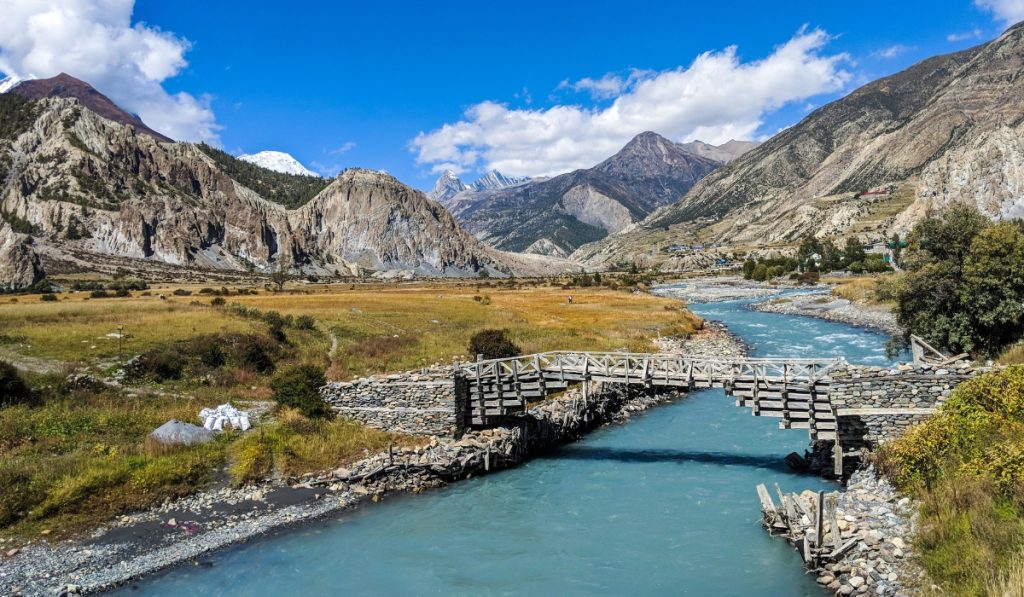
Covering roughly 160 to 230 km, the Annapurna Circuit trek in March is considered moderately challenging. The early-spring weather brings stable trail conditions and calm trekking atmosphere, making this adventure suitable for both seasoned trekkers and motivated beginners.
If you are ready to circle the majestic Annapurna Massif — passing Annapurna I, Machhapuchhre, Dhaulagiri and Tilicho Peak — March is a rewarding time to do it. The landscapes rise and fall, eventually leading you to Thorong La Pass, the highest point of the trek.
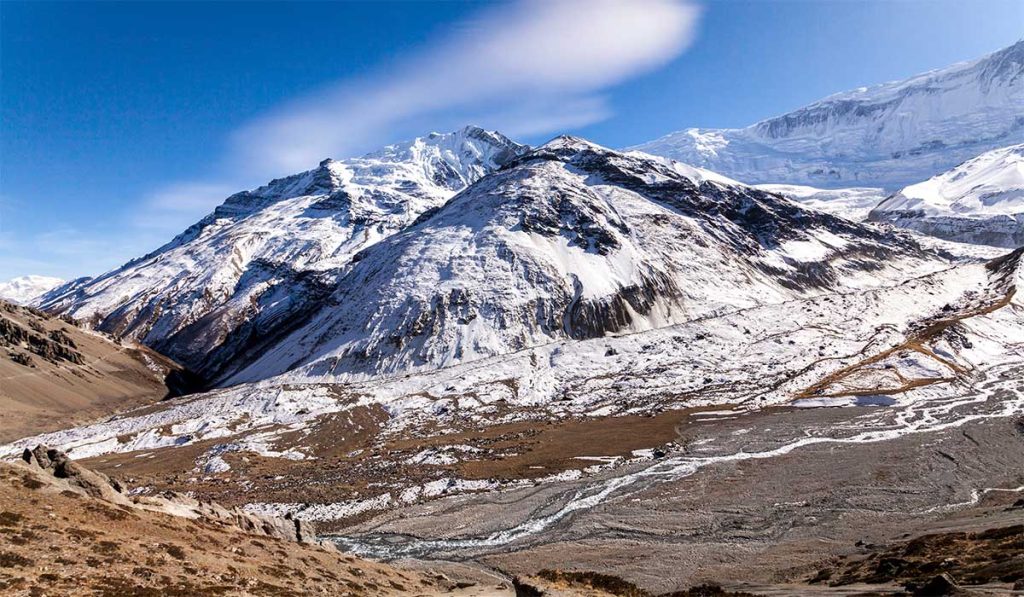
Along the way, you traverse six districts within the Annapurna Conservation Area and experience shifting cultures, climates and landscapes in a single journey. For a smooth and memorable experience, contact Radiant Treks for your March adventure.
Highlights
- March kicks off spring in the Himalayas with clearer skies, blooming rhododendrons and fewer crowds than April
- It is a perfect month for a peaceful trek around the Annapurna Massif, combining best views and early bloom season
- Expect a mix of winter’s chill up high and spring’s warmth down low, with temperatures dropping to around -15°C at Thorong La Pass
- Trails are mostly stable, but watch for icy patches early in March — microspikes can help on slippery spots
- Mornings are crisp and offer some of the best views of peaks like Annapurna II and Gangapurna
- Winds can pick up after noon, especially near the pass, so start your days early to avoid strong gusts and fatigue
- The trek’s moderate difficulty suits fit beginners — expect 6 to 8 hours of walking daily with ssteady elevation gain, made easier by March’s stable weather
- Build stamina with hikes, squats and loaded backpack walks for 4 to 5 weeks before the trek to prepare for the altitude and long days
- Go with a guide — it’s required and helpful for route safety, weather checks, pacing, and securing lodge spots during busy periods
Why Trek The Annapurna Circuit In March?

March is the first real month of trekking season after winter. It carries the freshness of spring, the crisp air of late winter, and just a hint of snow lingering on the high passes. These conditions make for a uniquely beautiful trek. And this combination is what makes the Annapurna Circuit in March so rewarding.
Clear Views, Blue Skies
After winter storms settle, the atmosphere clears dramatically. This is one of the best months for unobstructed views of Annapurna II, Annapurna III, Gangapurna, Tilicho Peak, Manaslu and Chulu ranges on the early trail sections. Mornings, especially, are vibrant and crystal-clear.
Less Crowded Than April
April is the busiest month on the Annapurna Circuit. March, by contrast, is lively but not overwhelming. Lodges have space, dining halls are quieter and trail sections remain relaxed even around popular areas like Manang.
Spring Begins In Lower Valleys
The first rhododendrons appear around mid-March, marking the start of the bloom season on the Annapurna Circuit. Along with this, trekkers experience sprouting terraced fields, warmer air, and longer daylight hours. You get a taste of both winter and spring in a single journey.
Good Balance Of Temperature, Trail Safety
Compared to January and February, March is noticeably warmer and far safer in terms of snowfall and pass accessibility. Thorong La is open almost every day unless an unusual storm passes through, making it a reliable window for crossing the pass.
March Compared To Other Months
- April vs March: March has fewer crowds; April has brighter forests and milder nights.
- May vs March: March is cooler and clearer; May gets hotter with more haze.
- Autumn vs March: Autumn is more stable overall, but March gives spring charm. There are fewer trekkers and the atmosphere is softer.
To sum up, March hits the sweet spot for trekkers who love clear skies, comfortable temperatures and peaceful trails together with blooming landscapes.
Weather On The Annapurna Circuit In March

March weather and temperature on the Annapurna Circuit vary sharply with altitude, so understanding the full picture helps you plan properly.
Temperatures can swing wildly as you climb, thanks to the thinning air and changing landscapes, from lush valleys to stark high passes. Expect a mix of sunny warmth, clear skies, and and cold conditions, especially as you gain elevation. Layering is essential to stay comfortable throughout the trek.
Lower Elevation (1,860 m-2670 m)
From Dharapani (1,860 m) to Chame (2,670 m), daytime temperatures typically range between 10°C and 18°C, sometimes reaching 20°C on sunny days. This is pretty pleasant for walking. Likewise, nights cool off to 2°C to 7°C, so a light jacket or fleece should suffice during the day, but you’ll want something warmer for evenings.
Mid Elevation (2,700 m-3,540 m)
From Pisang (3,300 m) to Manang (3,540 m), daytime temperatures drop to 3°C to 10°C, with crisp and refreshing air. Nights can fall to -5°C to -8°C, making proper insulation essential. A quality down sleeping bag and acclimatization are important at this stage.
High Elevation (4,000m-5,416m)
From Yak Kharka (4,020 m) to Thorong La Pass (5,416 m), temperatures become much colder. The days might hover between -5°C and 4°C, but with the sun out, it can feel a tad milder. Similarly, nights plunge to -10°C to -15°C or lower. And wind chill amplifies that, sometimes making it feel like -20°C or lower. Heavy layers, insulated boots and windproof gear are essential.
Does March In Annapurna Circuit Offer Good Visibility?

Yes, March is known for offering great clarity. One of March’s big perks is the crisp and clear air. As the post-winter haze has cleared out, March gives you those epic panoramic views that make the Annapurna Circuit legendary. It’s not perfect every day, but the odds are in your favor for stunning sights.
- March mornings are often bright, blue and very sharp. There is minimal cloud in the sky. Thus, you can see unobstructed views of peaks like Annapurna II or Gangapurna.
- Afternoons in March can get a bit cloudy or hazy as warmth builds. But this is not much of an obstacle, as it does not block everything most of the time.
- Evenings frequently reward you with vibrant sunsets painting the Annapurna ranges in oranges and pinks in March. This time is perfect for those reflective moments at camp.
With over 11 hours of daylight, trekkers have ample time to cover distance without feeling rushed. Also, the stable weather means fewer disruptions from fog or storms as compared to the monsoon months.
Can Wind Affect Your Trek In March?
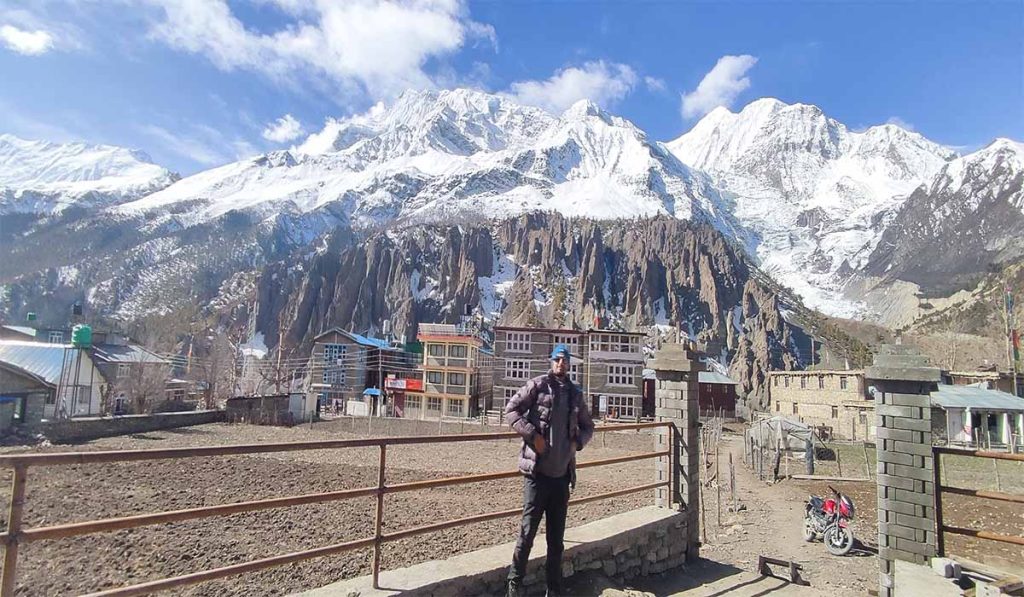
Winds are a factor to consider on the Annapurna Circuit in March, especially at higher elevations. They are usually calm in the morning and grow stronger after midday.
Strong winds are common around Manang and around Thorong Phedi, and the pass itself. Starting early helps avoid exposure to cold gusts and makes the trek more comfortable. They move through the passes and add to the chill. That’s why most trekkers begin the hike at dawn.
If you are sensitive to wind, using a buff or scarf for covering your face helps. But always check local weather updates, as conditions can change quickly in the mountains.
How Difficult Is The Annapurna Circuit In March?
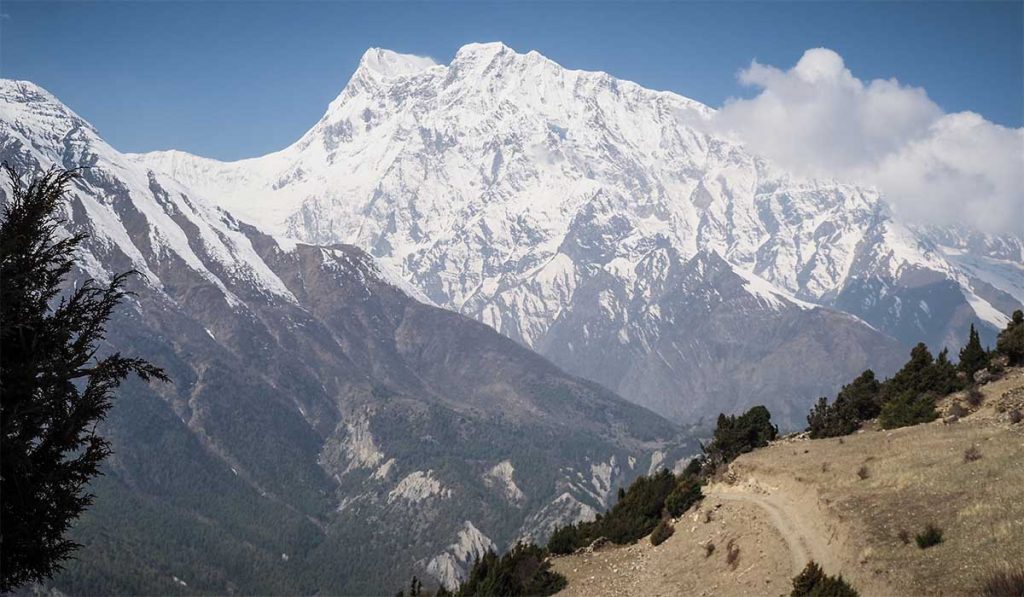
The Annapurna Circuit in March is considered moderately challenging. It offers a good balance between effort and reward, without extreme conditions of winter. This is a 160 to 230 km loop with daily hikes of 6 to 8 hours. It also includes steep ascents like the 5,416m Thorong La Pass. Altitude sickness can hit at this elevation if you don’t acclimatize.
Who Is It Suitable For?
Fitness-wise, if you can handle 15 to 20 km days with elevation gains, then you are ready for this trek. Therefore, it is ideal for moderately fit people or prepared beginners.
What Makes It Easier In March
Stable trails with melting snow, fewer storms, mild lower-elevation temperatures (10 to 18°C days), fully open teahouses for hot meals and beds and more than 11 hours of daylight to pace yourself. Likewise, crowds are thinner than in peak months and spring flowers add motivation.
What Makes It Challenging
Freezing nights above 3,500m (-10°C or lower), occasional icy patches near the Thorong La Pass (micro-spikes recommended for early March trek) and afternoon winds that sap energy up high can be challenging. Start the trek early every day to dodge them.
How To Train For The Annapurna Circuit In March?
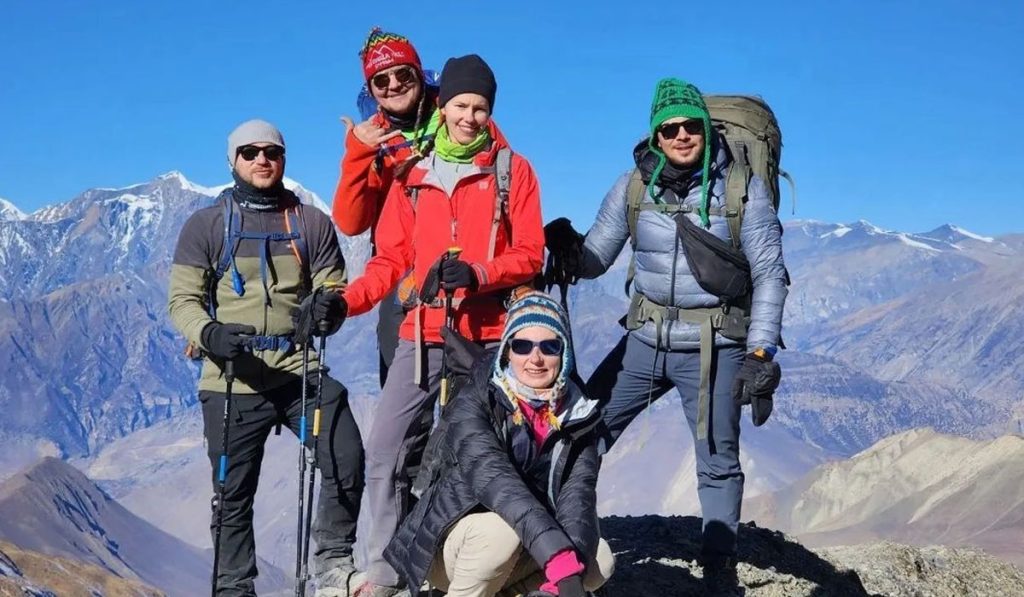
Training for the Annapurna Circuit in March should focus on building endurance, strength, and consistency rather than speed. The goal is to prepare your body for long trekking days and high altitude conditions. Think of making a consistent effort for those long days crossing Thorong La. Start preparing at least 4 to 5 weeks in advance of the beginning of the trek. You can start with a simple and consistent routine.
Key Training Tips
- Exercise like hitting steep inclines, carrying a 10 to 15 kg backpack and mimicking trail load, helps a lot.
- Beef up your legs with squats (3 sets of 15), stair climb, and weekend hikes on hilly terrain.
- Boost endurance by brisk walking or jogging 5 to 10 km daily, ramping up to 20km.
- Practice deep-breathing exercises every morning. You can inhale for 4 counts, hold 4, and exhale 4 as a way to prepare lungs for thin air above 3,500 meters.
- Rest one day a week to avoid burnout.
If you incorporate the aforementioned activities in your exercise regimen, you will handle 6 to 8-hour days with ease.
What To Pack For The Annapurna Circuit In March?

packing for the Annapurna Circuit in March requires layering. This is honestly one of the sweetest months that features blooming rhododendrons and blue skies. And the snow is mostly gone except maybe a patch over Thorong La. Days are warm, nights still are cold, which is why layers are your best friend. Below is a basic packing list for this trek of the Annapurna Circuit in March.
Clothing
- 2 to 3 merino base layers (top and bottom)
- Fleece or light puffy and proper down jacket for evenings and high-altitude sections
- Good hardshell jacket and rain pants (March can still throw a surprise of snow and rain)
- Warm hat, buff, thin and thick gloves, 4 to 5 pairs of wool socks
Footwear
- Already broken-in waterproof boots (ankle support is non-negotiable)
- Comfy sandals or Crocs for teahouse evenings
- Gaiters and microspikes (cheaper alternative if you need to walk in the icy pass)
Gear
- 40 to 50L pack (you’ll carry yourself or give to a porter)
- Sleeping bag comfort -10°C (teahouses have blankets but they are thin)
- Trekking poles (save your knees), headlamp, power bank
Other Must-Haves
- Sunglasses, high SPF sunscreen and lip balm
- Water purification tablets
- Basic medicines, as well as Diamox, blister kit, diarrhea tabs
- Snacks
- ACAP permit, passport photos, cash (no ATMs after Chame)
How Is The Accommodation On The Annapurna Circuit in March?
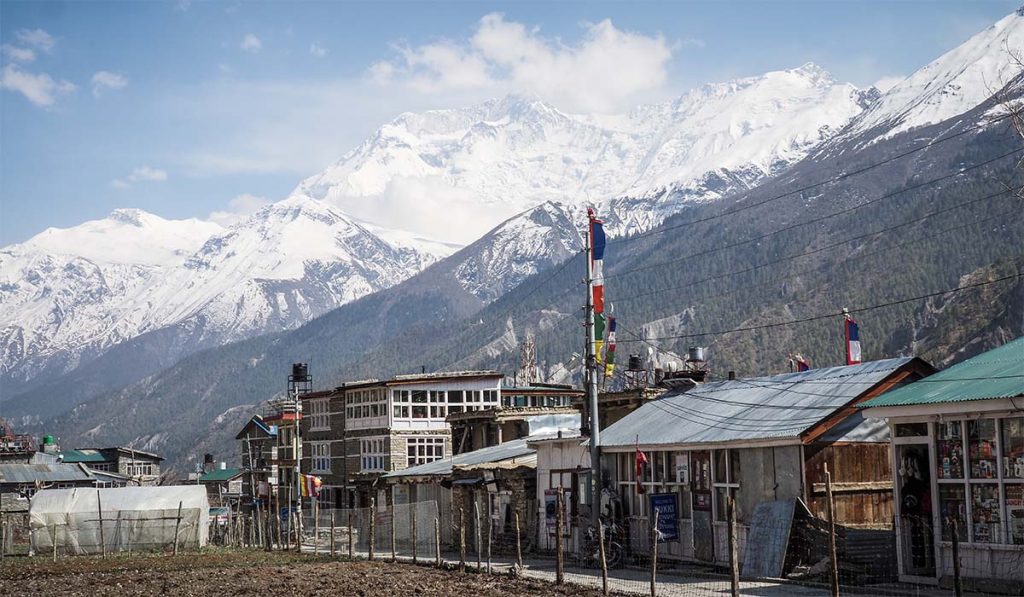
Accommodation on the Annapurna Circuit is widely available and easy to find. It is one of the best months to trek without needing advance bookings in most places.
Almost every teahouse is open by early March, and many begin operating fully from late February. Unlike April, which sees peak crowds, March offers a good balance of availability and comfort.
Availability And Crowds
Even in popular villages like Upper Pisang, Manang, Yak Kharka and Thorong Phedi, rooms are usually available. High Camp can fill on busy pass days, but arriving early in the afternoon generally secures a bed. Larger groups, however, might get stuck, and thus booking is necessary for them.
What To Expect
Rooms are simple, featuring twin beds, basic bedding, plywood walls, and shared bathrooms. Dining halls are warm and social, often heated with yak-dung stoves in the evening. It is a welcome comfort when the temperature is −8°C outside.
Facilities
Hot gas or solar showers pretty much everywhere up to Manang and you can avail that service after paying an extra fee. However, you will find bucket water above that. Wi-Fi exists in most places now, but you need to pay per device.
Food And Water On The Annapurna Circuit in March

Yes, you can expect filling, nutritious meal throughout the Annapurna Circuit in March. Teahouses are fully operational, and kitchens serve fresh food daily, making it a comfortable time to trek.
Dal bhat is the most common and reliable meal — rice, lentils, vegetables, and pickles, often with unlimited refills. It is warm, nutritious, and ideal for long trekking days.
Other Food Options
You will also find a variety of meals, especially at lower and mid elevations of Annapurna Circuit in March:
- Thukpa or noodle soups (perfect when it’s freezing)
- Fried rice, chow mein, pasta, spring rolls
- Roasted potatoes, pizza (decent in Manang)
- Pancakes, apple pie in Pisang and Braga
- Tibetan bread for breakfast
- Tea, ginger-lemon-honey, hot lemon, milk tea — all unlimited and cheap
Food At Higher Elevations
At higher stops like Yak Kharka, Thorong Phedi and High Camp, menus become more limited and prices increase. However, you will still find enough options to stay well-fed throughout the trek.
Drinking Water
In the case of drinking water, bring a reusable bottle with a capacity of 1 to 2 liters. Avoid buying plastic water bottles, as they are expensive and pollute the pristine mountain environment.
Some options for safe drinking water during the Annapurna Circuit in March include:
- Filling from lodge taps and treating with purification tablets
- Buy boiled or filtered water in teahouses
- Use ACAP safe drinking water stations
What Is The Annapurna Circuit Itinerary In March Like?
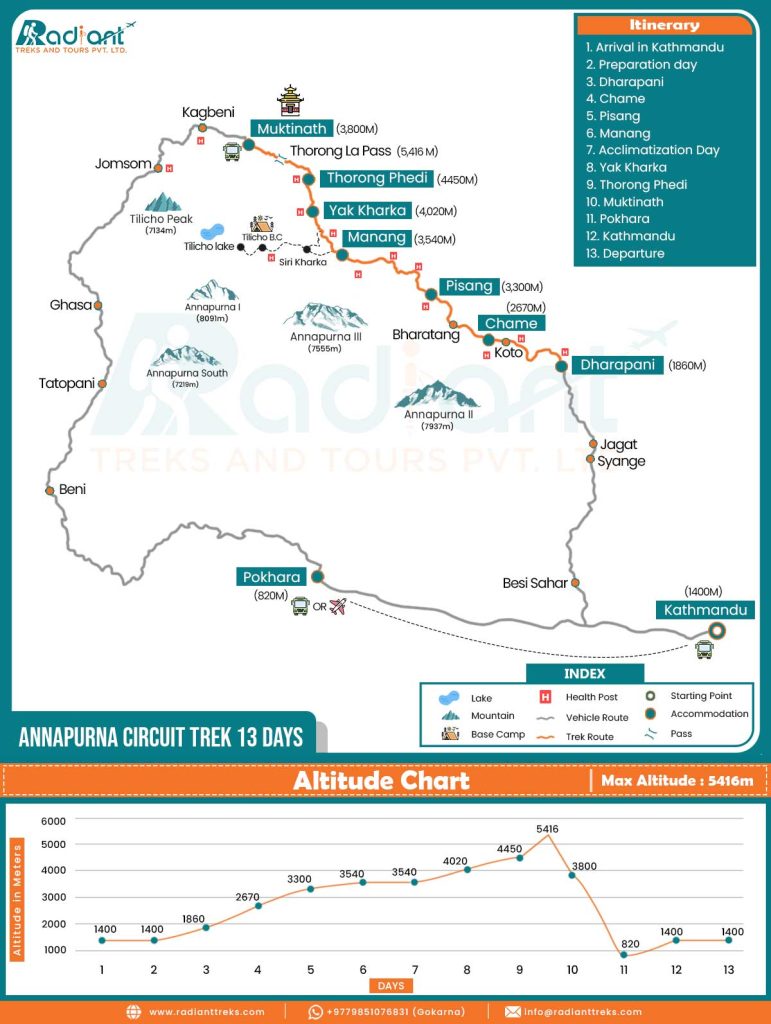
The itinerary of Annapurna Circuit in March follows the classic route, with stable weather and mostly open trails. Thus, March becomes one of the best times to complete the circuit.
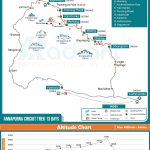
Most trekkers opt for the 13-day-long trek of the Annapurna Circuit in March, with a slightly longer option if Tilicho lake is included. Then you may join the trek of 16 days. The overall pace remains steady, with gradual altitude gain and a key acclimatization stop in Manang before crossing Thorong La Pass.
Typical Route Flow
The trek begins with a drive to Dharapani, followed by a gradual ascent through villages like Chame, Pisang, and Manang. After spending a day acclimatizing in Manang, the trail continues to Yak Kharka and Thorong Phedi. From there, trekkers cross Thorong La Pass (5,416 m) early in the morning before descending to Muktinath.
How Does The Annapurna Circuit Route Change In March?

The Annapurna Circuit route in March makes you traverse every Himalayan ecosystem — from lush subtropical gorges to barren high passes and trans-Himalayan desert. This diversity, condensed into less than two weeks of walking, makes this route one of the best in the world.
Lower Section (1,860 m – 2,670 m)
In March, the lower section of the trail feels like early spring. Days are mild, skies are clear, and tje rain is minimal. Lush pine forests explode with blooming rhododendrons in vivid reds and pinks. Waterfalls run full and trails remain dry and inviting. Chame offers pristine views of Annapurna II and Manaslu, along with relaxing hot springs nearby.
Mid Section (2,700 m – 3,540 m)
The landscape shifts dramatically as you move higher. Spring arrives dramatically in this area. It means pine forests vanish and are replaced by open juniper ridges and dry alpine meadows. Rhododendrons burst into full crimson and pink bloom. While the clarity remains a constant thing, Manang features prayer flags snapping in the wind, fresh green shoots in barley fields and snow peaks glowing under perfect sunshine.
Path to Tilicho Lake (Optional)
You need to ascend to 4,919 meters if you choose to add Tilicho Lake to your itinerary. And March delivers stability for the Tilicho detour. Trails are mostly dry with occasional snow patches, and the landslide zones are safer. The lake is still snow-covered in March. It transforms the lake into a vast and blinding-white expanse locked between gigantic ice walls. Fewer trekkers on the route mean you often have this landscape almost to yourself.
Thorong La Pass (5,416 m)
As you trek between 4,000 and 5,416 meters, you feel that March is just the right time for this trek. This spring month is prime time for crossing the Thorong La Pass, among other things. Stable weather, deep blue skies and crisp and cold air make every view razor-sharp. Trails are mostly dry with only patchy snow. The 360° panorama from the 5,416 meters is often clear, with Annapurna and Gangapurna peaks glowing in golden morning light. Descent to Muktinath feels like stepping into spring — warmer air, first green shoots and the smell of apple wood smoke.
Do You Need A Guide For The Annapurna Circuit In March?
Yes, hiring a guide is a wise decision to trek to the Annapurna Circuit. It is especially helpful in March due to changing weather and trail conditions. Guides assist you throughout the trek. They spot lingering icy paths of March, track weather shifts, evaluate Thorong La status in March, maintain a steady pace to avoid altitude sickness and secure spots in busy lodges.
How To Obtain Permits For The March Trek Of Annapurna Circuit?

To trek the Annapurna Circuit in March, you have to process through a registered company. If you choose to trek with Radiant Treks, then it handles your paperwork and obtains the permit needed for the Annapurna Circuit trek in March. You need the Annapurna Conservation Area Permit (ACAP) to be able to trek in this region. Whether you trek in March and other times of the year, the process is the same.
Safety Tips For Trekking Annapurna Circuit In March
Trekking the Annapurna Circuit in March demands preparations from the trekkers to deal with changing weather and high altitudes. Prioritize your well-being with these practical pointers to stay safe and enjoy the journey.
- Spend time adjusting in Manang, hike up during the day but sleep lower, hydrate constantly and head down if you feel off as a precaution against altitude sickness.
- Start your trek bright and early—those afternoon winds can whip up fiercely around the pass, turning the hike into a real slog.
- Be cautious on icy paths and equip yourself with trekking poles and crampons for grip on slippery and shadowed areas.
- Invest in a quality sleeping bag to maintain warmth in freezing temperatures at higher elevations of the trail.
- Protect your gadgets as batteries die fast, even in the March cold. Keep them close to your body overnight.
- While days are often clear, surprises like storms can hit in March. So, chat with locals, guides or lodge staff for the latest information.