Yes, it is possible to trek the Annapurna Circuit in winter. However, it is not the easiest time of the year for a trek in the Annapurna region.
Most people do the Annapurna Circuit during spring or autumn, so winter is a much quieter time to be on the trail. The trek is still possible in December, and sometimes even later in winter if the weather stays stable, but conditions around Thorong La can change very fast after snowfall.
The higher parts of the route get extremely cold, especially in the mornings and at night. Once you go above Manang, snow and ice become more common on the trail, and crossing Thorong La Pass can be difficult after heavy snowfall. In January and February, delays and route closures are not unusual.
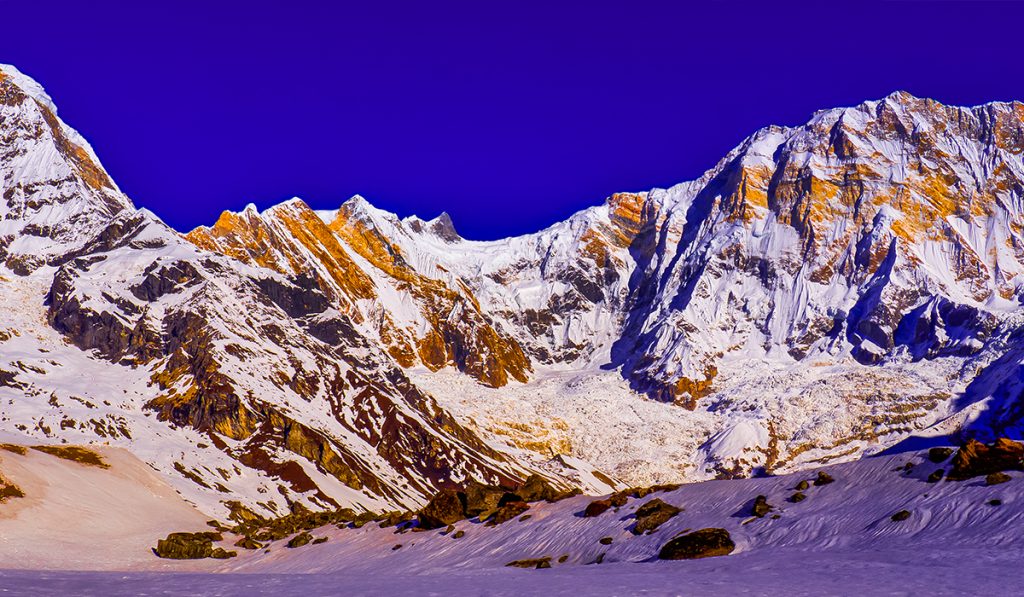
That said, winter has its own side of the experience. The trails are peaceful, the mountain views are often very clear, and some trekkers actually prefer the quieter atmosphere compared to the busy trekking seasons. But this is not the best time for beginners or anyone unprepared for cold weather and changing mountain conditions.
Is It Safe To Trek The Annapurna Circuit In Winter?
Yes, the Annapurna Circuit can still be trekked in winter, but conditions on the trail depend a lot on the weather at the time. Early winter is usually more manageable, while January and February can get much tougher once heavy snowfall starts around the higher parts of the route.
The route is much quieter at this time of year, but snow, freezing temperatures, and changing mountain weather can make some sections more difficult than usual, especially near Thorong La Pass.
Weather and Trail Conditions
The trail feels very different in winter compared to autumn or spring. Once you get higher than Manang, snow starts becoming more common on the route, and mornings are usually extremely cold. In December, the weather is often still manageable, but later in winter the trail can become icy after snowfall and walking conditions become harder in some sections.
Weather in the mountains can also shift pretty quickly. A clear morning can turn windy or snowy later in the day, which is why trekkers usually start early during winter.
Crossing Thorong La Pass in Winter
Thorong La Pass (5,416 m) is the most challenging section of the trek during winter. Snow-covered paths and frozen sections around the pass can make the crossing more difficult than during spring or autumn. After fresh snowfall, visibility may also drop in some areas, and in severe conditions, the pass can temporarily close for safety reasons.
Most trekkers crossing Thorong La in winter start very early in the morning when weather conditions are usually calmer. However, temperatures at that time are extremely cold, particularly near the top of the pass.
Teahouses and Winter Logistics
Another thing to consider is that some teahouses above Manang may remain closed during peak winter periods. Food options can also become more limited in smaller villages if weather conditions worsen for several days. Because of the weather, it is better not to plan the trek on a very tight schedule during winter. Snowfall around Thorong La sometimes delays crossings for a day or two, so having a little extra time helps.
Going with a guide is also helpful in winter, especially if you have never trekked in snow before. Locals usually know how the conditions are changing on the trail and whether the pass is safe to cross after fresh snowfall.
Is Winter Trekking Right for Everyone?
For people doing their first high-altitude trek, winter can feel pretty demanding. The Annapurna Circuit in winter is definitely tougher than trekking in spring or autumn.
Once you get above Manang, the cold becomes more noticeable, and snowy sections on the trail are common during the main winter months. Walking on icy trails, dealing with freezing mornings, and crossing Thorong La in snow is very different from trekking during the busier seasons.
But some trekkers actually prefer this time of year. Some trekkers actually like doing the Annapurna Circuit in winter because the trail feels quieter once the busy season ends. There are fewer people in the teahouses, and after snowfall the mountains can look entirely different from autumn. If you do not mind the cold and are prepared for changing weather, winter can still be a good time for the trek.
Annapurna Circuit Weather In Winter
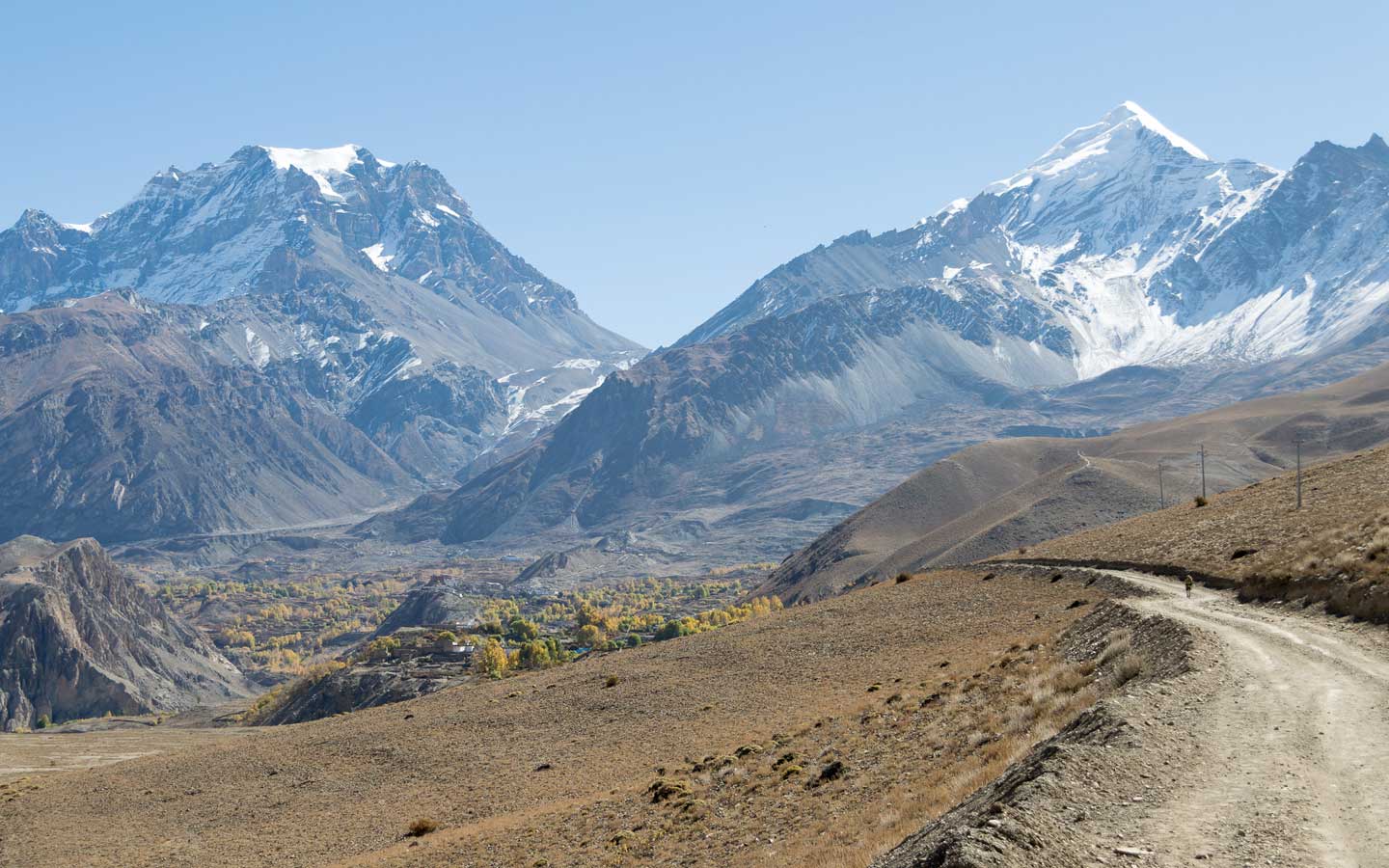
Weather on the Annapurna Circuit feels very different in winter, especially once you start gaining altitude. Lower parts of the trail are cold mostly in the mornings and evenings, but places above Manang get much colder during the main winter months. Around Thorong Phedi and Thorong La Pass, freezing temperatures and strong winds are quite common in winter.
Snowfall is also more common in the higher parts of the route during winter. Some days stay clear with good mountain views, while other days can bring snow and strong winds, particularly around the pass. Because of these factors, Annapurna Circuit weather conditions during winter are often less predictable than during autumn.
Annapurna Circuit in December
December is usually considered the best month for trekking the Annapurna Circuit in winter. Early December often has stable weather, clearer skies, and fewer chances of heavy snowfall compared to January and February.
Once the autumn trekking season ends, the route becomes much quieter. You will usually see fewer trekkers on the trail, and teahouses are less busy compared to October and November. It still gets freezing at higher elevations, but early December often gives more stable conditions for crossing Thorong La before heavier winter snowfall begins.
Annapurna Circuit in January
January is one of the coldest months on the Annapurna Circuit. Higher areas above Manang usually get more snow during this time, and mornings near Thorong La can be freezing, especially before sunrise when most trekkers start walking toward the pass.
Heavy snowfall during January sometimes affects trail conditions around Thorong La, and delays are possible if weather conditions worsen for a few days. Some teahouses in remote sections may also close temporarily during periods of bad weather.
Annapurna Circuit in February
February still feels like winter on the Annapurna Circuit, although conditions slowly begin changing toward the end of the month. Snow and cold temperatures are still common around Thorong La Pass, particularly during the first half of February.
By the end of February, daytime weather in the lower parts of the trek usually starts feeling a little less harsh. But higher sections near Thorong La are still properly cold, and windy days are common even late in the month. Winter conditions usually stay around longer at higher altitudes than many trekkers expect.
Average Winter Temperatures on the Annapurna Circuit
| Area | Average Winter Temperature |
|---|---|
| Manang | -5°C to 5°C |
| Thorong Phedi | -10°C to -15°C |
| Thorong La Pass | Below -15°C |
| Jomsom | 0°C to 12°C |
Temperatures can feel very different depending on wind and snowfall during the trek. Even on clear days, early mornings around Thorong La Pass often feel much colder because of strong winds and frozen trail conditions.
Crossing Thorong La Pass In Winter
Thorong La Pass is the section most trekkers worry about during winter, and for good reason. Once snow starts building up in the higher areas, trail conditions can change pretty fast. Some days the crossing is completely fine, while after fresh snowfall the trail can become icy and much slower to walk on.
How Difficult Is Thorong La In Winter?
Crossing Thorong La in winter is usually harder than during autumn or spring. The climb from Thorong Phedi already feels long on a normal day, and walking through snow can slow things down quite a bit near the upper part of the pass.
Most people start walking before sunrise, so the first few hours are often extremely cold. Higher up near the pass, strong wind and freezing temperatures can make the climb feel longer than it actually is. Even experienced trekkers sometimes slow down quite a bit in these conditions.
Altitude can also hit harder in winter. The cold weather, thin air, and long ascent all combine once you get close to the pass.
Can Thorong La Pass Close During Winter?
Yes, it can. After heavy snow, the trail over Thorong La sometimes becomes difficult to cross for a while. When that happens, trekkers usually stay back in Manang or Thorong Phedi and wait for conditions to improve before heading toward the pass.
During unstable winter weather, you can follow and keep an eye on updates from the Nepal Tourism Board before continuing toward the higher sections of the trail.

Food And Accommodation In Winter
Accommodation on the Annapurna Circuit stays fairly basic during winter, but most teahouses along the main route remain open, especially in the lower and mid-altitude villages. Once you get higher than Manang, the number of open lodges becomes more limited, particularly after heavy snowfall.
Are Teahouses Open In Winter?
During December, finding rooms is usually not a problem because the trails are much quieter after the autumn trekking season. In January and February, some teahouses in smaller villages may close for part of the season depending on weather conditions and the number of trekkers on the route.
Because there are fewer trekkers during winter, the trail generally feels less crowded compared to October and November.
What Are Rooms Like During Winter?
Rooms in most teahouses are simple, with twin beds, blankets, and basic furniture. The dining hall is usually the warmest place in the evening since many lodges keep a heater running for a few hours at night.
Bedrooms, however, can become extremely cold at higher altitudes. Around Thorong Phedi and other upper villages, water pipes sometimes freeze during colder weeks, and hot showers may not always be available.
Food Availability On The Trail
Food on the Annapurna Circuit is still available throughout winter, although menus can become more limited in the higher villages. Dal bhat remains the most common meal on the trail, especially during lunch and dinner.
Teahouses also serve simple foods like noodles, fried rice, soup, eggs, toast, porridge, and momo. Hot drinks such as tea, coffee, and hot lemon are common during winter because most trekkers try to stay warm after long days on the trail.
It also helps to keep a few snacks in your bag, especially on longer days when the distance between villages feels a bit tiring in the cold.

Packing List For Annapurna Circuit In Winter
Packing for the Annapurna Circuit in winter mostly involves managing the cold as you ascend the trail. Around Manang and beyond, mornings can feel freezing, especially before sunrise when most people start walking toward Thorong La.
The weather can also change pretty quickly in winter, so it helps to pack warm layers without carrying too much extra weight.
Clothing For Winter Trekking
- Down jacket
- Thermal layers
- Fleece or warm mid-layer
- Waterproof jacket
- Warm trekking pants
- Wool hat
- Gloves
- Extra socks
Footwear And Winter Gear
- Waterproof trekking boots
- Trekking poles
- Microspikes if there is snow or ice
- Sunglasses
- Headlamp
- Gaiters for snowy sections
Small Things That Help During Winter
- Thermos for hot water
- Lip balm
- Sunscreen
- Power bank
- Water purification tablets
- A few snacks for longer walking days
A warm sleeping bag is also worth carrying during winter. Teahouses usually provide blankets, but rooms in the higher villages can still get freezing during the night.
Tips For Trekking The Annapurna Circuit In Winter
- It is usually better to start walking early in the morning during winter, especially on the day you cross Thorong La Pass.
- Weather is usually calmer in the morning, and trails are often easier to walk on before snow softens later in the day.
- Keep a few extra days in your itinerary during winter. Snowfall around Thorong La Pass can sometimes delay trekkers for a day or two.
- Spending an extra day in Manang usually helps before going higher, especially during winter when the cold and altitude can feel more tiring on the body.
- Before heading toward Thorong La, it is always worth asking around about trail conditions. Tea house owners and local guides usually know if there has been fresh snow near the pass.
- Carry enough warm layers for early mornings and evenings. Temperatures feel much colder once you get above Manang.
- A guide can be very helpful during winter, especially after fresh snowfall or if you are unfamiliar with high-altitude trekking routes.
- Keep a few snacks and a thermos with you during longer walking days. Small things like hot water make a big difference in cold weather.
Is The Annapurna Circuit In Winter Worth It?
That really depends on the kind of trekking experience you are looking for. Winter on the Annapurna Circuit is quieter, colder, and less predictable than the main trekking seasons, but some trekkers actually prefer it for those same reasons.
Once the autumn crowds disappear, the trail feels much calmer. Teahouses are less busy, villages feel quieter in the evenings, and after snowfall the mountains around Manang and Thorong La can look entirely different from what you see during October or November.
At the same time, winter trekking is definitely more challenging. Cold mornings, icy trails, and changing weather around the pass can make the trek feel harder than many people expect. During January and February, snowfall also becomes more of a factor in the higher sections of the route.
People who have already done high-altitude treks usually handle winter conditions better on the Annapurna Circuit. But if this is your first long trek in Nepal, doing it during spring or autumn is honestly a lot easier than dealing with snow and freezing mornings in winter.
Final Thoughts
Winter is probably not the easiest time to do the Annapurna Circuit, but some trekkers end up enjoying it more because the trail feels quieter once the busy season is over. Everything feels a bit slower in winter, especially in the higher villages after snow starts falling around Thorong La.
If you are planning to trek the Annapurna Circuit in winter, early December is usually a better time than January or February. Winter weather in the mountains does not always stay predictable, so it is better not to plan the trek on a very tight schedule. And Radiant Treks can plan and manage a seamless winter trek to the Annapurna Circuit if you choose to travel with us.
Frequently Asked Questions (FAQs)
Is December A Good Time For The Annapurna Circuit?
Yes. If you are planning for winter trekking, December is usually the better option. Early December still gets cold, but the weather is often more stable before heavier snowfall starts later in winter.
Can Thorong La Pass Close In Winter?
Yes, it can happen after heavy snow. Sometimes trekkers wait a day or two in places like Manang or Thorong Phedi before crossing if the trails are not in good condition.
How Cold Does It Get During Winter?
Once you get above Manang, mornings and nights become properly cold in winter. Around Thorong La, temperatures often stay below freezing, especially before sunrise.
Are Teahouses Open During Winter?
Most villages along the route still have open tea houses in winter, although there are usually fewer options in the higher sections of the trek.
Do You Need A Guide During Winter?
Not everyone hires a guide, but many trekkers prefer going with one during winter, especially if there has been recent snowfall around Thorong La.
Is The Annapurna Circuit Harder In Winter?
Yes, if you compare it with a spring or autumn trek of the Annapurna Circuit. That is because winter usually feels tougher on the Annapurna Circuit — the cold and snow in the higher sections of the trail increase the difficulty level.
Can Beginners Do The Annapurna Circuit In Winter?
Some first-time trekkers still do it in winter, but many people find the main trekking seasons easier, especially around Thorong La, where conditions can change quickly after snowfall.
Do You Still Need Permits For The Annapurna Circuit In Winter?
Yes, the usual permits are still required during winter. Trekkers need the Annapurna Conservation Area Permit (ACAP) for the route.