The best time for Annapurna Circuit is autumn and spring.
October and November usually give the clearest mountain views, drier trails, and more settled weather after the monsoon. This is why autumn is often the safest and most reliable season for crossing Thorong La Pass.
March to May is the other good window. The weather is warmer, the days feel longer, and the lower hillsides are greener, with rhododendrons blooming in many forest sections. Views can be a little hazier than in autumn, but spring still works very well for most trekkers.
Trekking in winter is possible, but it is colder and less predictable near the high pass. Snow can close or delay the Thorong La crossing. Monsoon trekking is also possible, especially toward Manang, Mustang, and Muktinath, where parts of the route sit in a rain-shadow area. Still, the lower sections can become wet, muddy, and affected by leeches.
October is the best single month to trek the Annapurna Circuit for most people. For warmer weather and flowers, choose April. For fewer crowds and a quieter trail, consider early December or late February with proper cold-weather preparation.
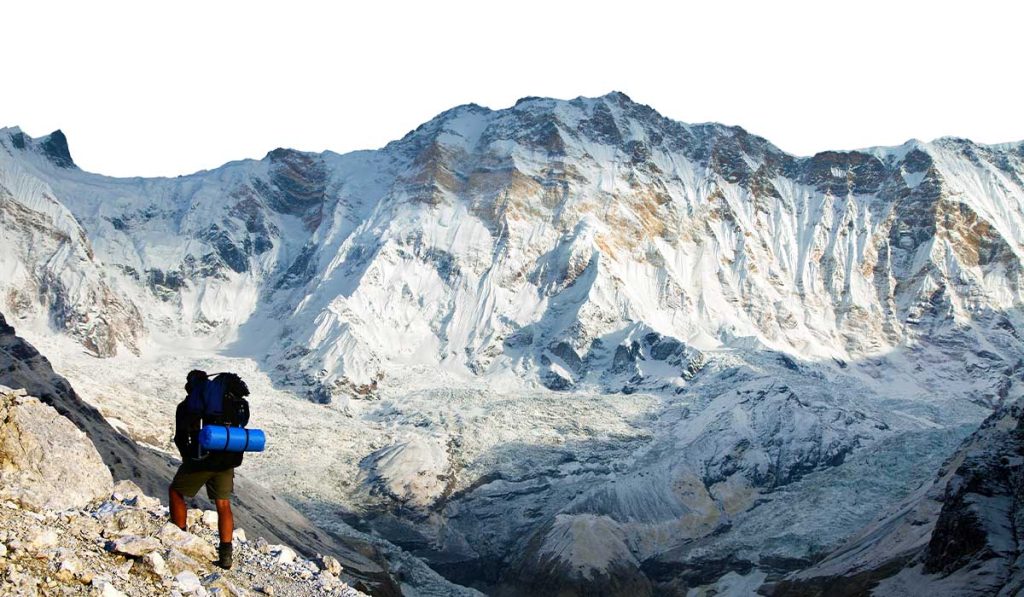
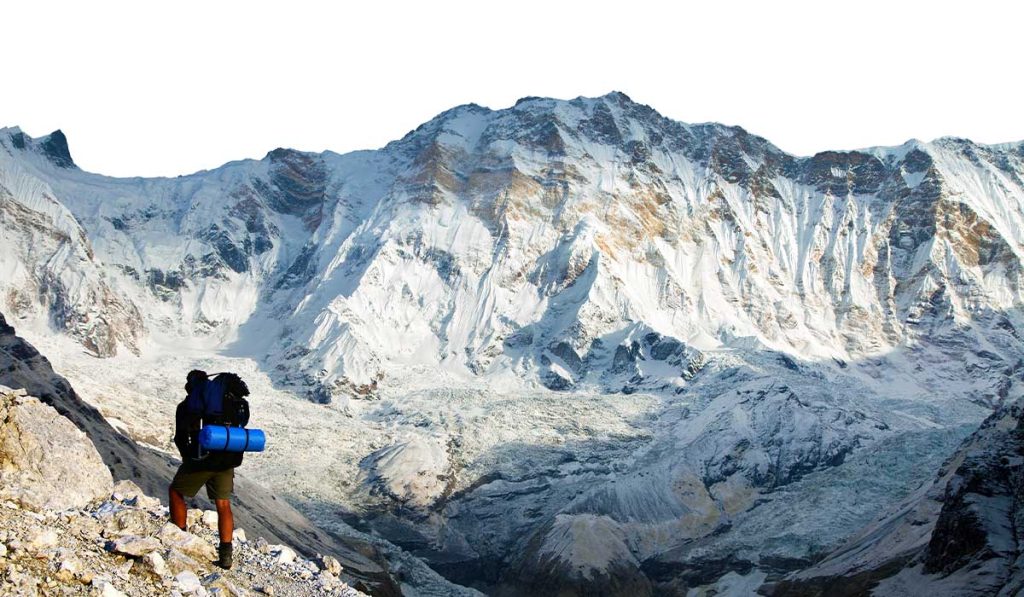
Annapurna Circuit Seasons At A Glance
- Best Overall Time: Autumn, especially October and November, when skies are usually clear, and conditions around Thorong La Pass are more reliable
- Most Popular Month: October — excellent visibility, dry trails, busy teahouses
- Good Mix Of Weather And Quieter Trails: Mid-November, after the main trekking rush starts to thin out
- Best For Spring Scenery: March to May, with blooming rhododendrons and greener hills below Manang
- Quietest Period: Winter, though mornings and nights get extremely cold at higher elevations
- Cheapest Season: Monsoon months, when some lodges lower their prices due to fewer trekkers
- What Monsoon Is Really Like: Muddy lower trails, cloud-covered mountains, leeches in forest sections, and occasional landslides
- Where Monsoon Works Better: The drier rain-shadow areas near Mustang and Muktinath
- Winter Risk: Heavy snow can shut the Thorong La crossing with little warning after mid-December
- Permit Costs: The Annapurna Conservation Area Permit does not change by season
- Recent Weather Changes: Locals now regularly report later snowfall, earlier spring blooms, and less predictable monsoon timing across the Annapurna region
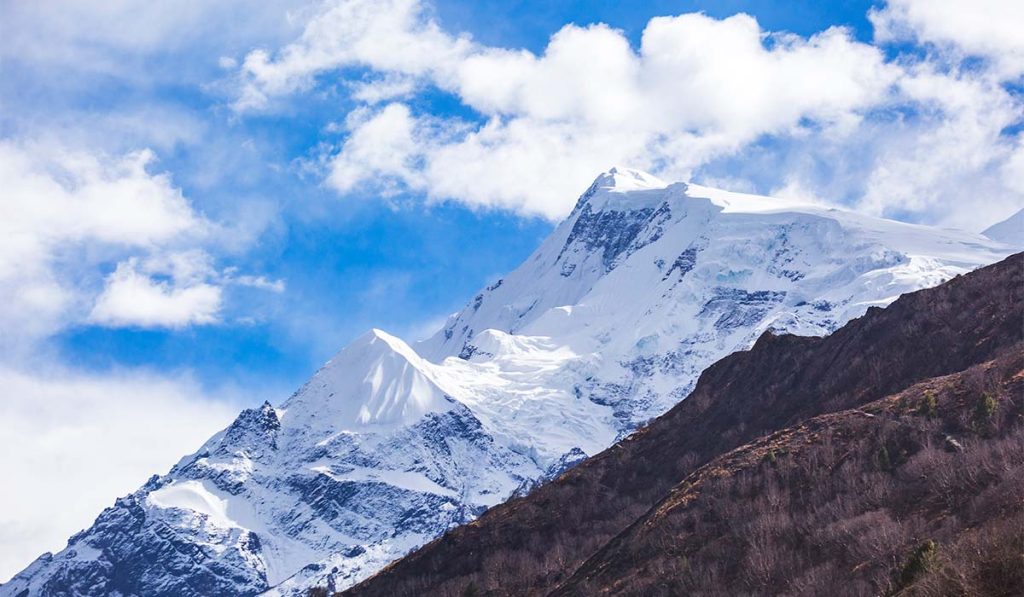
How Geography And Altitude Affect Weather On The Annapurna Circuit
The weather and temperatures on the Annapurna Circuit can shift quickly because the trail moves through very different landscapes over a relatively short distance. Conditions in the lower valleys can feel entirely different from the weather near Thorong La Pass.
The Lower Trail Is Warmer And Wetter
The early part of the route passes through river valleys, forests, and farmland around Dharapani and Chame. These lower sections are warmer and more humid than many trekkers expect.
During the monsoon, this part of the trail receives heavy rain. Muddy paths, leeches, and occasional landslides are common. In spring, the same forests become greener, and rhododendrons bloom across the hillsides on the way toward Manang.
Altitude Changes Conditions Fast
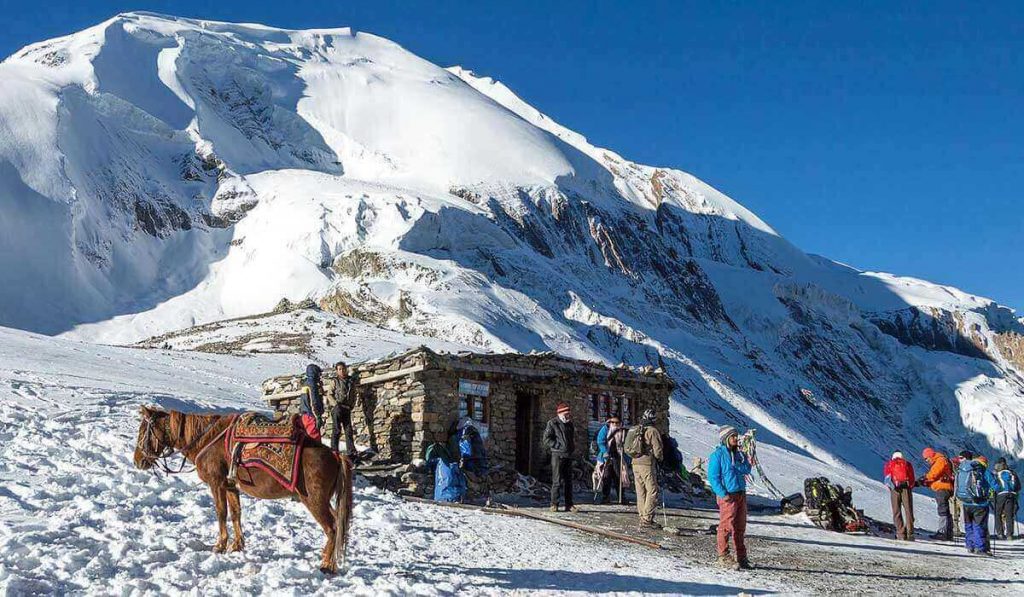
As the trail climbs higher, temperatures drop quickly. Nights become much colder after Pisang and Manang, especially above 4,000 meters. The weather near Thorong La is also less predictable. Strong afternoon winds are common, and snowfall can happen even outside winter. This phenomenon is why trekkers usually cross the pass early in the morning before the winds become stronger.
Mustang Stays Drier During Monsoon
After Thorong La, the trail descends toward Muktinath and Mustang, where the landscape becomes drier and more barren.
This area lies in a Himalayan rain-shadow zone, meaning it receives much less monsoon rainfall than the southern side of the Annapurna region. That is one reason some trekkers still choose the Annapurna Circuit in the summer.
The same route can feel entirely different depending on the season—green and flowering in spring, dry and clear in autumn, snowy in winter, or misty and rain-soaked during the monsoon.
Spring On The Annapurna Circuit (March To May)
Spring is often considered the best time for Annapurna Circuit. The weather is usually stable, the days grow longer, and the hills begin turning green again after winter.
Although March can still feel cold at higher elevations, especially near Thorong La Pass, conditions generally become more reliable through April and early May.
Spring Weather On The Annapurna Circuit
Lower sections of the trail often see daytime temperatures between 15°C and 25°C during spring. Around Manang and other higher villages, nights regularly drop below freezing.
Typical spring conditions include the following:
- Clear mornings with good mountain visibility
- Milder daytime temperatures than winter
- Occasional snowfall in early March
- Stronger winds and more haze toward late May
Thorong La is usually more stable by April, though short snowstorms can still affect crossings at high altitudes.
Why Trek The Annapurna Circuit In Spring
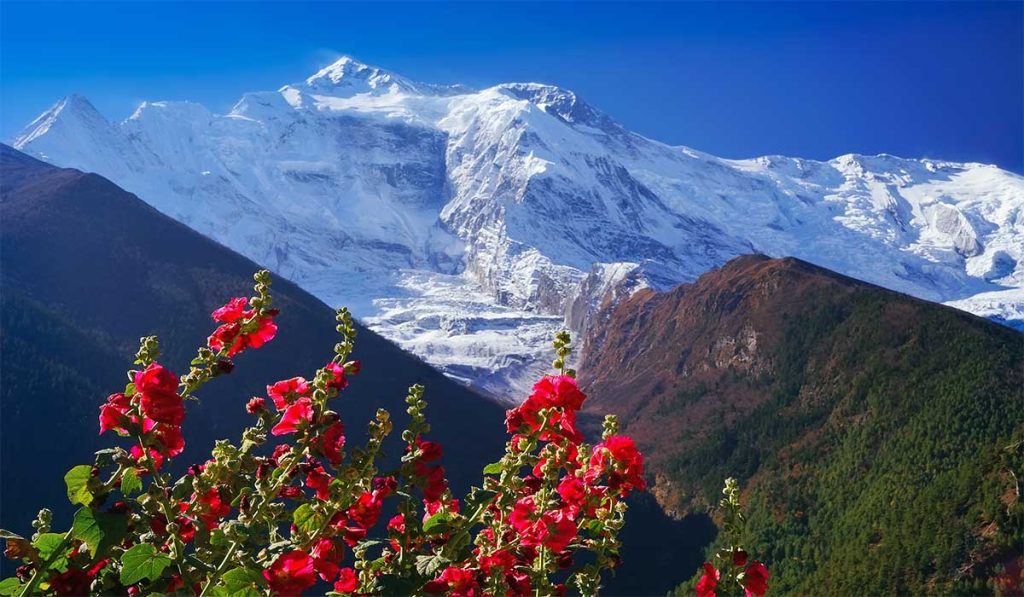
One of the biggest highlights of spring is the scenery. Rhododendron forests bloom across many lower and mid-elevation sections of the route, especially between Chame and Manang.
Spring is also popular for:
- Greener valleys and forest trails
- Longer daylight hours
- Comfortable trekking temperatures
- Good photography conditions
- Fewer crowds than peak October
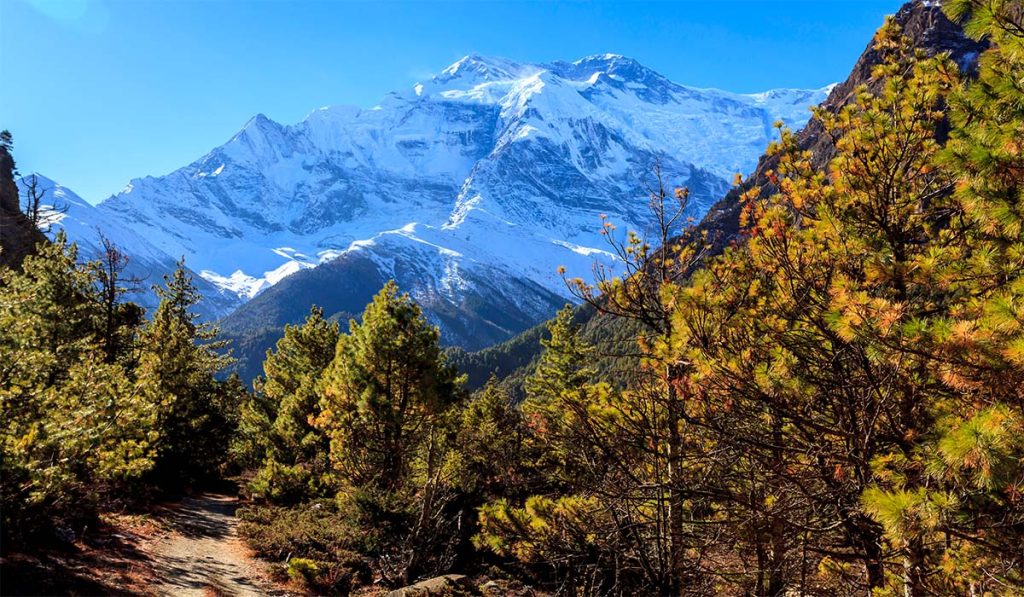
Things To Watch Out For
Spring is still part of the busy trekking season, particularly in April. Teahouses in villages like Manang and Thorong Phedi can fill quickly during peak weeks.
A few common spring challenges include:
- Dusty trails near road sections
- Afternoon haze later in the season
- Pollen during peak rhododendron bloom
- Cold nights above 4,000 meters
What To Pack For Spring
Layering works better for spring trekking conditions.
Useful items include:
- A warm down jacket
- Gloves and a wool hat
- Sunglasses and sunscreen
- Lightweight trekking clothes
- A light waterproof layer
Spring works especially well for trekkers looking for balanced weather, flowering landscapes, and relatively stable trail conditions across the Annapurna region.
Monsoon Or Summer On The Annapurna Circuit (June To August)
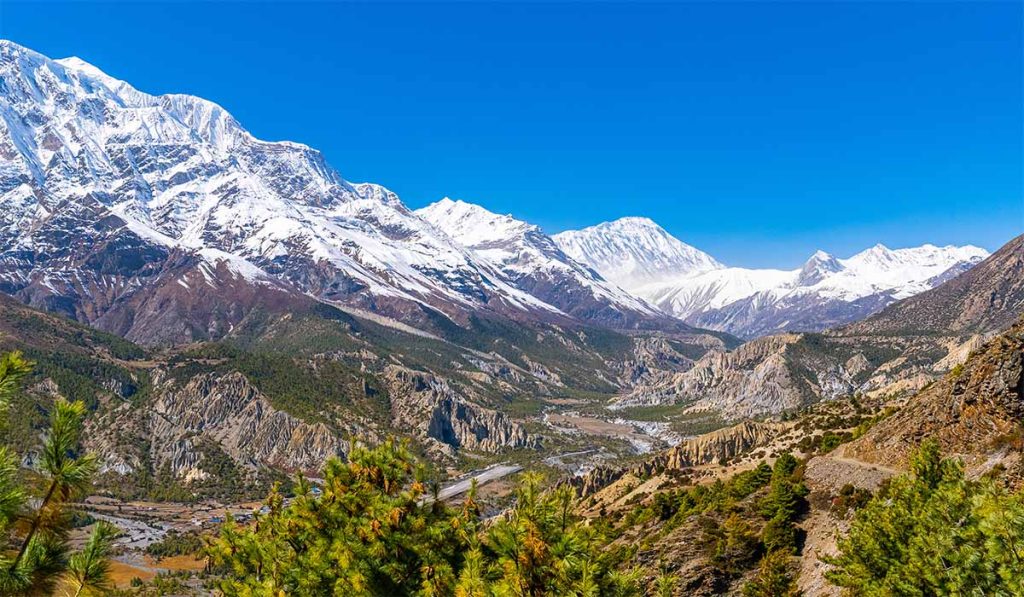
Monsoon is the least popular season for this trek. It means it is not usually the best time for Annapurna Circuit, but this season offers a very different experience from the busy autumn months. The hills turn intensely green, waterfalls become more dramatic, and trail traffic drops sharply across much of the route.
Monsoon Weather On The Annapurna Circuit
The lower sections of the trail are warm, humid, and wet during summer. Daytime temperatures often range between 20°C and 30°C below 3,000 meters.
Heavy rainfall is common in forested areas around Dharapani and Chame, especially during July and early August. Lower sections of the trail often turn wet and slippery during the monsoon, and by afternoon, the clouds usually start covering the mountains.
But the weather changes once you move further north toward Manang, Mustang, and Nar Phu. These areas sit in the Himalayan rain shadow, so they stay much drier than the greener southern side of the Annapurna region.
Why Some Trekkers Prefer Monsoon
Despite the rain, summer trekking has a few advantages:
- Greener forests and farmland
- Fewer trekkers on the trail
- Quieter teahouses
- Lower accommodation costs in some villages
- Dramatic waterfalls and cloud-filled valleys
For trekkers focusing on rain-shadow regions, the monsoon can still be a reasonable time to visit.
Things To Expect During Monsoon
Rain affects the lower part of the circuit the most. Trails below Manang often stay wet and muddy. And that is even more so, especially after several days of continuous rainfall.
You should be prepared for:
- Slippery sections on stone steps and forest trails
- Leeches in damp woodland areas
- Landslides blocking roads or parts of the trail
- Cloudy afternoons with limited mountain visibility
- Delays in jeep travel after heavy rain
Mornings are usually clearer, so many trekkers start walking early during the monsoon season.
Packing For Monsoon Conditions
Keeping your gear dry is part of the trek during summer.
A few things that help:
- A proper rain jacket instead of a thin poncho
- Quick-drying clothes rather than cotton layers
- Dry bags inside your backpack
- Trekking poles for muddy descents
- Extra socks because shoes rarely stay dry for long
Monsoon is usually better for trekkers who are comfortable adjusting plans when weather or trail conditions change.
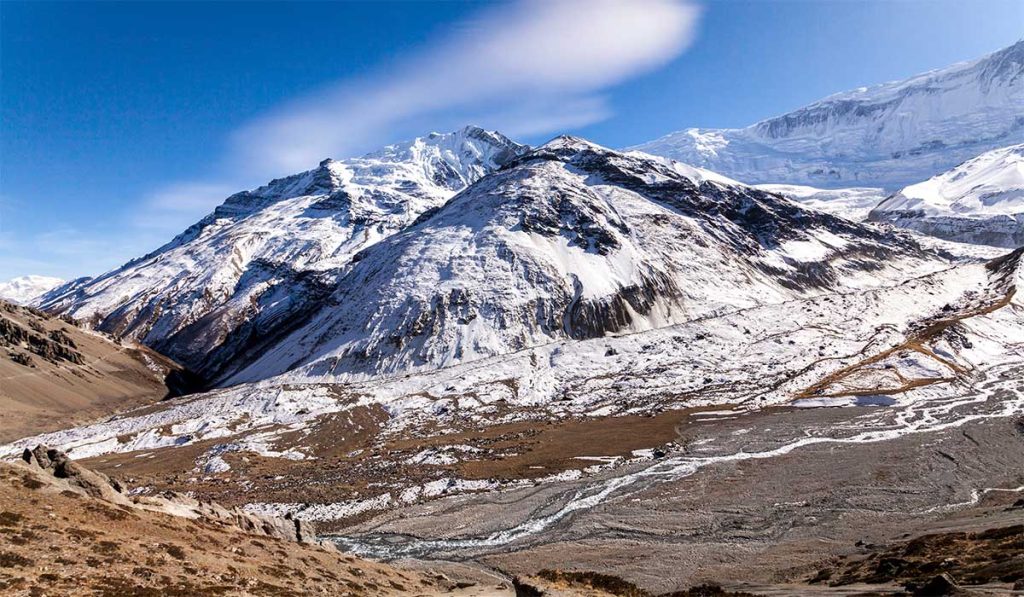
Autumn On The Annapurna Circuit (September To November)
Autumn is the busiest trekking season on the Annapurna Circuit. After the monsoon ends, the skies usually clear, trails dry out, and mountain visibility improves across the Annapurna region.
For many trekkers, this is the most reliable season to cross Thorong La Pass.
Autumn Weather On The Annapurna Circuit
From late September onward, conditions are generally stable across most of the route. Daytime temperatures in mid-altitude villages often range between 10°C and 20°C, while nights near Thorong La can still drop below freezing.
Typical autumn conditions include the following:
- Clear skies and strong visibility
- Dry trails after the monsoon
- Cool mornings and evenings
- Stable weather at higher elevations
- Very little rainfall
October usually brings the clearest mountain views of the year.
Why Many Trekkers Choose Autumn
Many trekkers prefer autumn simply because it is the best time for Annapurna Circuit. The conditions are easier overall. The trails are usually dry, the skies stay clearer for longer, and mountain views tend to open up properly after the monsoon dust settles.
On good mornings, peaks like Dhaulagiri and Tilicho Peak remain visible for hours, especially around the higher sections of the route. Many trekkers also extend the route with a side trip to Tilicho Lake before crossing Thorong La Pass, particularly during autumn when trail and weather conditions are usually more stable.
Many trekkers choose this season for:
- Clearer mountain views
- Reliable weather
- Festival season in Nepal
- Lively villages and teahouses
- Comfortable daytime temperatures
Around Manang, the trail feels noticeably busier than in spring or winter.
Things To Know Before Trekking In Autumn
The same good weather also makes autumn the most crowded season. Teahouses in Manang and Thorong Phedi often fill quickly during October.
Trekkers should expect:
- Busier trails
- Higher room and guide prices
- Colder nights near the pass
- Advance booking during peak weeks
What To Pack For Autumn
Layering works well for autumn trekking conditions.
Things most trekkers are happy to have in autumn:
- Layers for changing temperatures during the day
- A warm down jacket for evenings
- Gloves and a wool hat, once the trail gets higher
- Sunglasses and sunscreen for strong sun at altitude
- A fleece or thermal layer for cold mornings
- A sleeping bag for colder teahouse nights
Winter on the Annapurna Circuit (December to February)
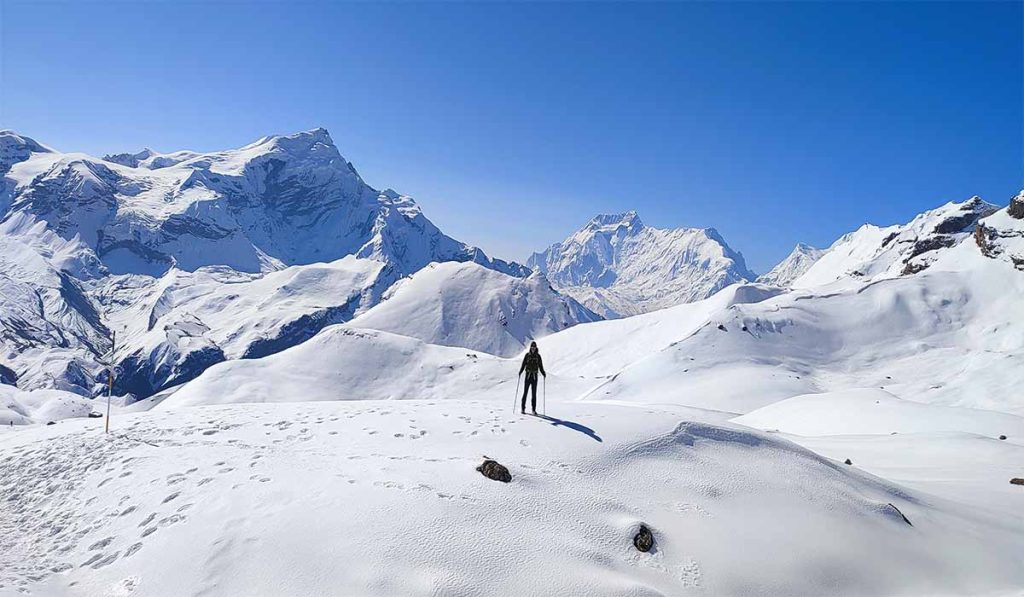
Once the winter season arrives, the Annapurna Circuit becomes much quieter than it feels during the autumn trekking season. Trails that feel crowded in October can become almost empty by January, especially above Manang.
The landscapes also look entirely different in winter. Snow covers the higher sections of the route, and the colder air often brings exceptionally clear mountain views.
Winter Weather On The Annapurna Circuit
Lower valleys usually stay manageable during the day, with temperatures around 10°C to 15°C. Conditions become much harsher at higher elevations.
Typical winter conditions include the following:
- Freezing nights above 3,500 meters
- Temperatures below -10°C near Thorong La Pass
- Snow-covered trails at higher elevations
- Shorter daylight hours
- Very clear mountain visibility after storms
December is normally more stable than January or February. By mid-winter, snowfall can temporarily close Thorong La.
Why Some Trekkers Still Go In Winter
Winter is mostly for people who do not mind the cold. Once the autumn crowds disappear, the trail becomes much quieter, especially beyond Manang. Some days, you may walk for hours without seeing many other trekkers.
Fresh snow around the higher valleys can also make the landscape look entirely different from the dusty autumn. On clear mornings, the mountain views are often most distinct during winter.
Things To Be Careful About
The main issue in winter is not trekking difficulty but cold and snow conditions near Thorong La Pass.
A few things become more common during this season:
- Icy trail sections early in the morning
- Frozen pipes and very cold rooms in teahouses rooms
- Occasional pass closures after snowfall
- Shorter daylight hours for walking
Some lodges above Manang also close during the coldest weeks of winter.
What To Pack For Winter
Good winter gear makes a big difference on this route.
Most trekkers carry:
- A proper down jacket
- Thermal layers for evenings
- Insulated gloves and thick socks
- Microspikes for snow or ice
- A warm sleeping bag
- Sunglasses for bright snow conditions
Even when daytime weather feels comfortable, nights at higher altitudes can become extremely cold.
Best Month For Annapurna Circuit

For most trekkers, October is the best time for Annapurna Circuit. By this time, the monsoon rain has usually finished, the air becomes clearer, and mountain views improve across the route.
Trail conditions are normally more stable as well. Snow around Thorong La Pass is less common than later in winter, and most sections of the trail stay dry.
October: Why So Many People Choose It
October is popular mainly because the trekking conditions are consistent.
You can usually expect:
- Clearer mountain views after the monsoon
- Dry trails in most sections
- Comfortable daytime temperatures
- Steadier weather near Thorong La
- Longer stretches of blue skies
The downside is the number of trekkers on the trail. During the peak weeks of October, places such as Manang and Thorong Phedi become noticeably busier.
November And April
Many trekkers end up liking November and April for trekking the Annapurna Circuit. In November, the skies are often still clear, but the trail feels less hectic once the main trekking rush slows down. Teahouses around Manang are usually easier to manage, although mornings become noticeably colder.
Meanwhile, April feels different from autumn. The lower hills are greener, rhododendrons start flowering, and the daylight hours are longer. It is a good time for people who prefer spring landscapes over the dry post-monsoon scenery of October.
Which Month Works Best?
- October — best for consistently clear views and dry trails
- November — similar weather with fewer trekkers on the route
- April — greener hills, blooming forests, and milder temperatures
- December — quieter trails before heavier winter snow becomes more common
For most people, the weeks between late October and mid-November usually offer the most balanced conditions on the Annapurna Circuit.
Best Time For Different Types Of Trekkers
Different trekkers usually prefer different seasons on the Annapurna Circuit. Someone coming for clear mountain views may choose autumn, while another person may prefer spring flowers or quieter winter trails. So, the best time for Annapurna Circuit also depends on your trekking experience and what kind of trail conditions you prefer. Weather, crowd levels, trail conditions, and visibility change quite a bit through the year.
First-Time Trekkers
Spring and autumn are usually the safest choices for beginners. These seasons generally offer:
- More stable weather
- Easier trail conditions
- Reliable teahouse openings
- Safer crossings near Thorong La Pass
October and April are often the easiest months for first-time high-altitude trekkers.
Trekkers Looking For Fewer Crowds
November and early December tend to feel quieter than peak October while still offering decent visibility and trail conditions.
Winter also brings far fewer people to the route, especially above Manang, though colder temperatures become a serious factor.
Photographers And Mountain View Seekers
Late autumn usually gives the clearest visibility across the Annapurna region. October and November are known for sharp morning mountain views after the monsoon dust clears.
Spring can also be rewarding for photography, particularly when rhododendrons bloom across the lower hills.
Budget Trekkers
Monsoon and winter are generally the cheapest seasons for the Annapurna Circuit. Some teahouses lower their room prices when trekking numbers drop. The trade-off is less predictable weather, colder temperatures, or wetter trails depending on the season.
Experienced Trekkers
People who have already done high-altitude trekking often choose winter or monsoon because the trail feels far less crowded during these months. Conditions are harder, but the route can also feel quieter and more remote compared to peak autumn.
Rain-shadow areas near Mustang usually stay drier during monsoon, while winter offers some of the clearest mountain visibility of the year.
Altitude Sickness And Seasonal Safety
Altitude sickness is a bigger concern on the Annapurna Circuit than the season itself is. Weather changes from month to month, but the effects of high altitude remain possible at any time of year, especially above Manang.
Most trekkers begin noticing the thinner air after 3,000 meters. The climb toward Thorong La Pass is where proper acclimatization becomes especially important.
How To Reduce The Risk Of Altitude Sickness
The safest approach is usually a slow ascent. Most trekkers spend an extra night in Manang before continuing higher. It gives the body more time to adjust before crossing Thorong La Pass.
A few things usually help during acclimatization:
- Ascending gradually instead of pushing too fast
- Drinking water regularly throughout the day
- Eating enough, even when altitude affects appetite
- Avoiding too much alcohol at higher elevations
- Not ignoring headaches, nausea, or unusual tiredness
Some trekkers take Diamox during the trek, but it is better to discuss that with a doctor before arriving in Nepal.
Seasonal Safety Differences
Conditions on the Annapurna Circuit change quite a bit by season.
- Winter: Snow and ice can make sections near the pass difficult
- Monsoon: Wet trails, landslides, and cloudy conditions are more common
- Spring: Strong sun and afternoon winds can feel exhausting at altitude
- Autumn: The weather is usually steadier, though nights still get cold above Manang
Cold weather can also hide dehydration more easily. Many trekkers end up drinking less water in winter without really noticing it.
Most serious problems on the Annapurna Circuit happen when people climb too quickly or continue upward despite developing altitude symptoms.
Permits, Accommodation And Seasonal Costs
Trekkers on the Annapurna Circuit need the Annapurna Conservation Area Project (ACAP) permit. Permit costs stay the same throughout the year, whether you trek in the peak autumn or during winter.
What changes more noticeably is the overall trekking atmosphere once you are on the trail.
Permits And Checkpoints
During busy months like October, November, and April, permit checkpoints can become crowded, especially on the main sections of the route. Popular villages such as Manang also see heavier trekking traffic during these periods.
In quieter months, the process generally feels faster and less crowded overall.
Accommodation By Season
Teahouses stay open across most of the Annapurna Circuit for much of the year, but availability changes with the season.
During autumn and spring:
- Popular lodges can fill early
- Rooms are harder to find without booking in advance
- Busier villages feel more crowded in the evenings
During winter or monsoon:
- Some higher teahouses close temporarily
- Room prices may become more flexible
- Quieter trails often mean easier room availability
Seasonal Trekking Costs
Autumn is usually the most expensive time to trek because demand is highest. As such, the guide rates, transportation, and accommodation costs can rise during the peak trekking month of October.
Winter and monsoon are often cheaper overall, particularly for independent trekkers. Some teahouses lower room prices during slower months, though weather conditions can also become less predictable.
How Climate Change Is Affecting Trekking Seasons
The weather in the Annapurna region does not always follow the same seasonal pattern it once did, and many trekkers and local guides have noticed the difference over recent years. According to ICIMOD’s report titled Hindu Kush Himalaya (HKH) Monsoon Outlook 2025 and related climate reports, the Annapurna Circuit has seen increasingly erratic rainfall patterns. As such, the fixed seasonal patterns now sometimes encounter delayed monsoon rainfall, warmer winters, or unexpected snowfall outside the usual periods.
Local guides and lodge owners across the Annapurna Circuit have also noticed changes in seasonal timing. Rhododendrons in some lower forests bloom earlier than they used to. Winter snow near Thorong La Pass can arrive either later or more suddenly, depending on the year.
Monsoon timing has become less consistent as well. Some years bring heavy rain earlier than expected, while in others the rain continues further into autumn, affecting trail conditions and visibility.
These changes matter because the weather affects almost every part of the trek:
- Trail safety near landslide-prone sections
- Snow conditions at higher elevations
- Visibility across the Himalayas
- Road access into the Annapurna region
- Flight and transport reliability
Even during traditionally stable trekking months, short weather shifts can now affect conditions more quickly than before.
For that reason, recent local forecasts matter more than older trekking calendars or general assumptions about the seasons. Checking updated weather reports before crossing high sections of the route has become increasingly important, especially around Thorong La and other exposed areas.
Common Timing Mistakes To Avoid
A surprising number of problems on the Annapurna Circuit start before the trek even begins. Most are not serious, but they can make the journey harder than it needs to be.
Here are some of the mistakes that trekkers make:
- Planning very tight schedules during the monsoon, especially around Pokhara flights and road travel
- Thinking October trails will feel quiet just because the weather is good
- Going higher too quickly instead of spending an extra acclimatization day in Manang
- Packing mostly cotton clothes, which stay damp for hours in cold weather
- Arriving for winter trekking without proper gloves, layers, or a warm sleeping bag
- Assuming jeep roads stay open during heavy monsoon rain
- Depending completely on ATMs during the Dashain or Tihar travel weeks
- Buying insurance without checking altitude or helicopter evacuation limits
Weather on the Annapurna Circuit can shift faster than many first-time trekkers expect, especially near Thorong La Pass. A sunny morning in the lower valleys does not always mean stable conditions higher up.
Leaving a few extra buffer days in the itinerary usually helps more than trying to rush the trek on a fixed schedule.
Final Thoughts
For most trekkers, autumn remains the best time for Annapurna Circuit because weather and trail conditions are usually more reliable. Two months—October and November—often bring the clearest mountain views, drier trails, and safer conditions around Thorong La Pass.
That does not automatically make autumn the best time for Annapurna Circuit for everyone, though.
Spring feels greener and quieter in many sections of the route, especially when rhododendrons begin flowering below Manang. Winter suits trekkers comfortable with cold temperatures and fewer crowds, while the monsoon can still work for people focusing on rain-shadow areas near Mustang.
The Annapurna Circuit changes noticeably from season to season. The Annapurna Circuit does not feel the same from one season to another. October usually brings dry trails and busy teahouses; winter changes the higher sections completely, and the monsoon turns the lower valleys greener but wetter.
The best time to visit the Annapurna Circuit really depends on the kind of experience you want once you are on the trail.
If you’re unsure about the best time for Annapurna Circuit, choose based on your preferences, priorities, and sense of adventure. Decide the time according to your suitability, or contact Radiant Treks for guidance.
Frequently Asked Questions (FAQs)
What Is The Best Month For The Annapurna Circuit?
For most people, October is often seen as the best time for Annapurna Circuit because weather and visibility are usually at their most reliable after the monsoon.
Can Beginners Trek The Annapurna Circuit During The Monsoon?
Most beginners find monsoon trekking tougher than expected. Rain, muddy trails, leeches, and occasional road delays can slow things down quite a bit, especially in the lower valleys.
How Cold Does Thorong La Pass Get In Winter?
It gets properly cold near the pass in winter, especially before sunrise. Water bottles can freeze overnight, and strong winds after snowfall make the temperature feel much harsher than it actually is.
Is The Annapurna Circuit Permit Cheaper In The Off-Season?
No. Permit prices stay the same year-round. What usually becomes cheaper in quieter months are teahouses, guides, and some transport expenses.
When Is The Best Time For Annapurna Circuit Without Crowds?
Late November and early March are usually quieter than peak October. Nonetheless, these months still offer decent trekking conditions.
Is Spring Or Autumn Better For Mountain Views On The Annapurna Circuit?
Autumn usually gives the clearest mountain views because the monsoon rain has already cleaned the air. Spring looks greener and more colorful, but clouds and haze build up more often in the afternoon.
Is Eco-Friendly Trekking Possible On The Annapurna Circuit?
Yes. You will notice piles of empty plastic water bottles in some of the bigger stopovers during peak season. Carrying your bottle and refilling it at teahouses is one of the easiest ways to avoid adding to that waste.