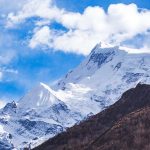
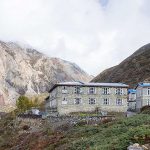
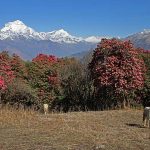
Annapurna Circuit in September is one of the better times to trek if you want greener trails, fewer crowds, and mountain views that gradually improve after the monsoon season. The month sits between the end of heavy summer rain and the start of Nepal’s busiest autumn trekking season, so the trails often feel quieter and more relaxed than in October.
Rain is still possible in early September, especially in lower areas, but the weather usually becomes more stable as the weeks pass. Forests and hillsides look fresh from the monsoon, rivers are fuller, and the landscapes feel far more alive than they do later in autumn.
One thing many trekkers like about September is the balance it offers. The trail conditions are greener and less dusty, teahouses are less crowded, and daytime temperatures are usually comfortable for walking. Mountain views are not perfect every single day, especially early in the month. Still, clear mornings become more common by mid to late September, particularly around the higher sections of the circuit.
For trekkers who enjoy quieter trails and fresh post-monsoon scenery, September can be a very rewarding time to do the Annapurna Circuit Trek.
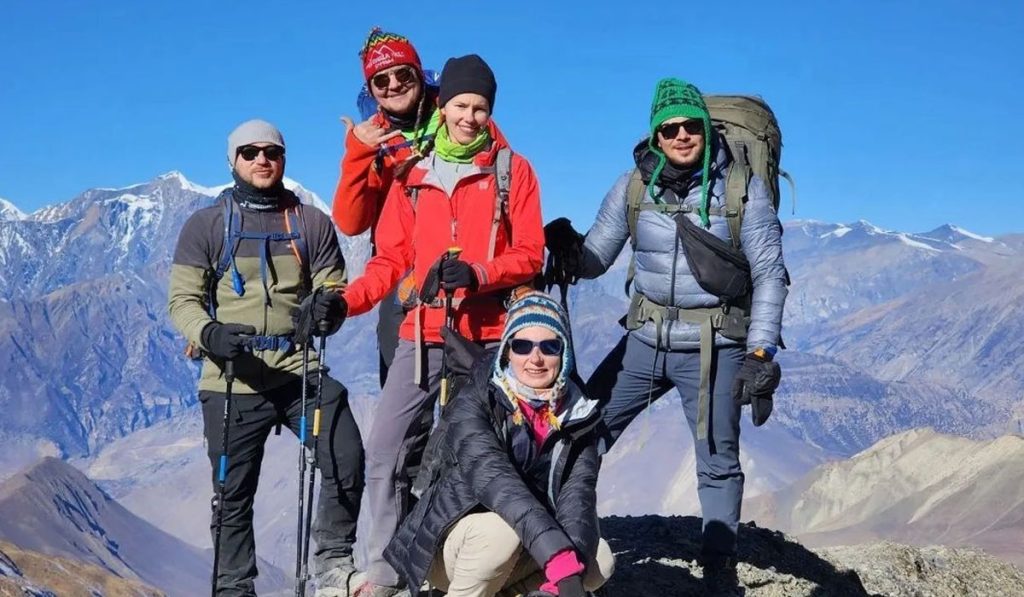
Highlights
- Clearer late-September views of the Annapurna massif, including Nilgiri, Dhaulagiri, Thorong Peak, Chulu West, Chulu East, Tukuche Peak, and Lamjung Himal.
- Cross Thorong La Pass before the busy autumn trekking season fully begins.
- September trails still feel fresh after the monsoon, with green hillsides, active waterfalls, and far less dust than later in the season.
- Pass through Magar, Gurung, and Thakali villages and get a closer look at everyday life in the mountains.
- Early morning mountain views from Poon Hill become more consistent later in September.
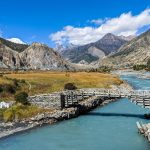
- Trek through the Kali Gandaki Gorge while the river and surrounding landscapes still feel fresh from the monsoon.
- You start in green valleys with forests and farms, but higher up near Thorong La, the landscape becomes dry, rocky, and more rugged.
- Muktinath is one of the major religious stops on the trail, where both Hindu and Buddhist pilgrims come to pray.
Why Trek The Annapurna Circuit In September?
September feels a bit different on the Annapurna Circuit compared to the busy trekking months that come later in autumn. The monsoon is usually on its way out, the hills are still green from the rain, and the trails are often quieter before the main October rush starts.
Mountain Views Start Opening Up
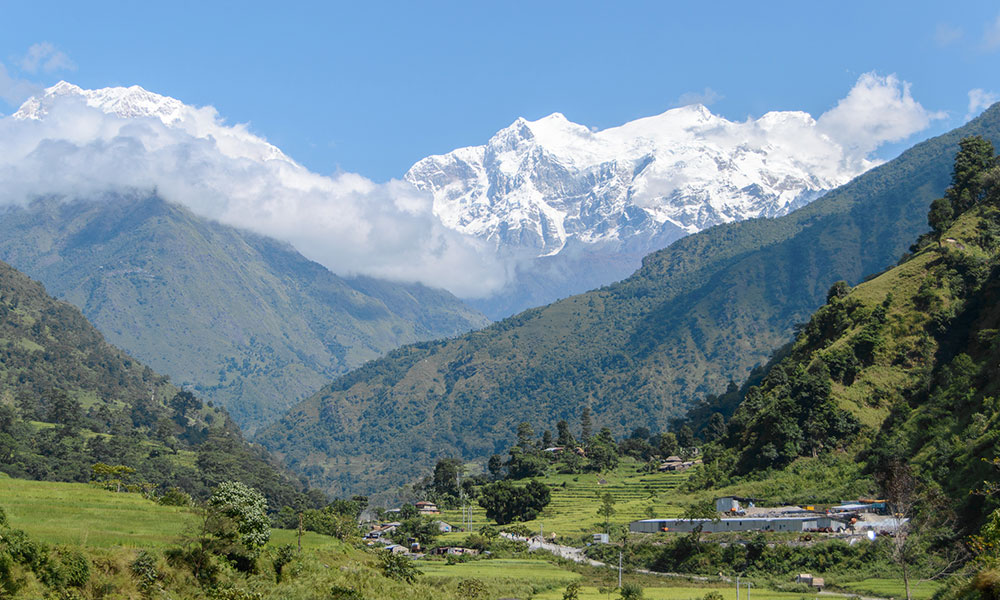
September sits between the monsoon and the main autumn trekking season, so weather conditions can change quite a bit throughout the month. Early September may still bring some afternoon rain or cloudy days, especially in lower areas. But visibility usually improves as the month moves forward. Clear mornings become more common by mid to late September.
On clearer days, the route opens up wide views of Annapurna, Machhapuchhre, Manaslu, Dhaulagiri, Gangapurna, and several other Himalayan peaks. After the monsoon starts fading, the air usually feels cleaner, and the mountain views slowly begin to open up, especially later in September.
Greener Landscapes After The Monsoon
September is one of the greenest times to be in the Annapurna region. Because of the recent monsoon rain, the lower parts of the trail still look very green, with forests, rice terraces, and hillsides along the route. Compared to late autumn, the landscape feels much more alive during this time of the year.
The trail passes through forests of rhododendron, pine, and oak, while rivers and smaller streams continue flowing strongly after the monsoon. Waterfalls are usually more active during this time as well.
By late September, the weather becomes more stable, but the fresh post-monsoon landscapes are still very much there.
Cultural Atmosphere During Festival Season
The first autumn month, September, falls around Nepal’s main festival period, so the cultural atmosphere can feel a little different compared to other trekking months. Depending on the year and the lunar calendar, festivals like Teej, Indra Jatra, Gai Jatra, and even the early days of Dashain may take place during your trek.
Around September, many villages are also preparing for festival season, so you may hear music in the evenings. Likewise, you can also witness families gathering together or notice decorated temples and homes along the route.
Quieter Trails Than Peak Autumn
As compared to October and November, September is usually calmer on the Annapurna Circuit. Since some trekkers prefer waiting for fully dry autumn weather, the trails often feel less crowded, especially earlier in the month.
Finding rooms in teahouses is generally easier as well, and dining halls are usually not as busy as they become later in autumn. If you enjoy a calmer trekking atmosphere, September tends to feel more relaxed overall.
Longer Days And Comfortable Trekking Weather
In September, the daylight hours are noticeably longer. This gives you a bit more time on the trail each day. The temperatures are also usually milder than late autumn, particularly at lower elevations.
On many days, the weather feels comfortable enough to walk without the colder mornings and evenings that become more common in October and November.
Challenges Of Trekking The Annapurna Circuit In September
In September, hikers consider the Annapurna Circuit to be of moderate difficulty, with no technical challenges along the journey. However, September is one of those months where the trail can feel different from week to week. Early in the month, there is still some leftover monsoon weather around the Annapurna region. So, you may end up walking through wet sections of the trail or dealing with cloudy afternoons from time to time.
Changing Weather And Trail Conditions
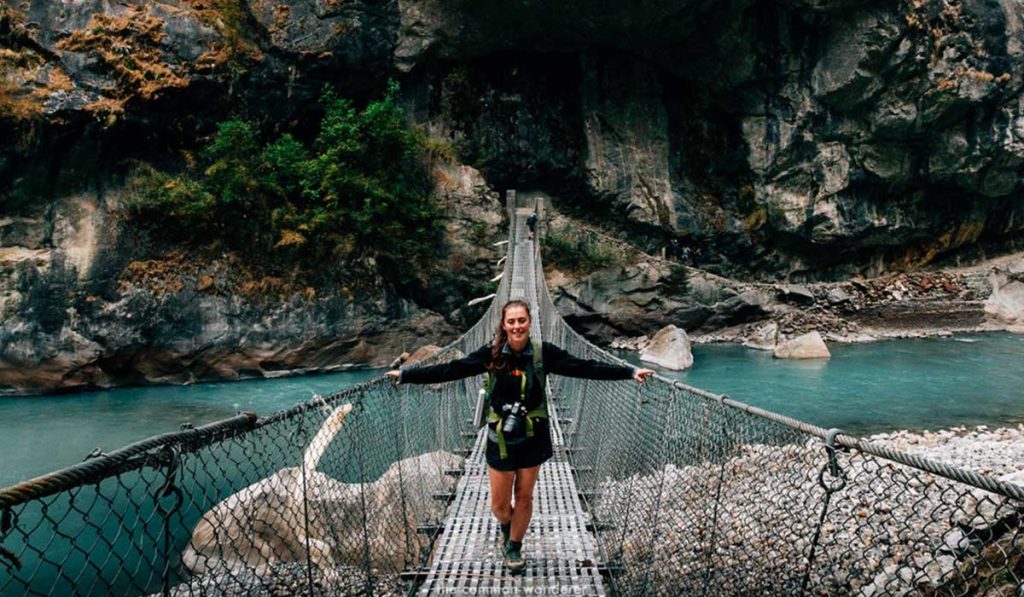
The weather on the Annapurna Circuit usually settles less at the beginning of September. Rain is still possible, mostly in the lower parts of the trek, and some trails stay muddy after it rains.
A few sections can get slippery too, especially forest paths, stone staircases, and areas near waterfalls. Once you get higher up near Thorong La Pass, the weather feels colder and can change pretty quickly. Later in September, things normally start improving. Trails dry out more, mornings are often clearer, and mountain views become more consistent compared to the start of the month.
Altitude Sickness
Altitude can still be a problem on the Annapurna Circuit, especially once you cross 3,000 meters. Thorong La Pass reaches 5416 meters, so it is important to give your body enough time to adjust during the trek. Some of the common symptoms of altitude sickness you might experience are:
- Headache
- Tiredness
- Loss of appetite
- Trouble sleeping
Most trekkers do fine if they walk slowly, stay hydrated, and take acclimatization days seriously instead of rushing uphill.
Long Days Of Walking
The Annapurna Circuit is more tiring because of the number of days you spend walking rather than any technical difficulty on the trail. Most days on the Annapurna Circuit in September are long enough to leave you exhausted by evening.
In the nearly 160 km to 230 km journey, you will need to cover an average of 9 km per day; which equals approximately 6 to 8 hours of hiking daily. Some sections are steep, some are rocky, and there are plenty of uphill and downhill stretches throughout the trek, especially once you start gaining altitude.
Crossing Thorong La Pass is usually the toughest part. People often leave before sunrise and spend most of the day on the trail before reaching Muktinath, including in September.
Accommodations And Availability
The first part of September is usually quieter, so teahouses are less crowded than they are later in autumn. At the same time, a few smaller lodges may still be reopening after the monsoon season, especially in quieter villages. By late September, the trails begin to get busier as more trekkers arrive for the autumn trekking season.
Sometimes, if you are trekking toward the end of the month, it is worth arranging rooms ahead in the more popular stops.
Annapurna Circuit September Weather And Temperature
September on the Annapurna Circuit feels like a transition period between the monsoon and the main autumn trekking season. Earlier in the month, you can still run into short rain showers, damp trails, and cloudier afternoons, especially at lower elevations. By mid to late September, the weather usually becomes drier, skies start clearing more often, and mountain visibility improves noticeably.
September weather on the Annapurna Circuit can change pretty quickly. You might get clear mountain views in the morning, then clouds rolling in later in the day, especially during the afternoon. Lower sections of the trail can still feel humid early in September, and muddy patches are fairly common after rainfall.
Temperature Conditions At Different Elevations
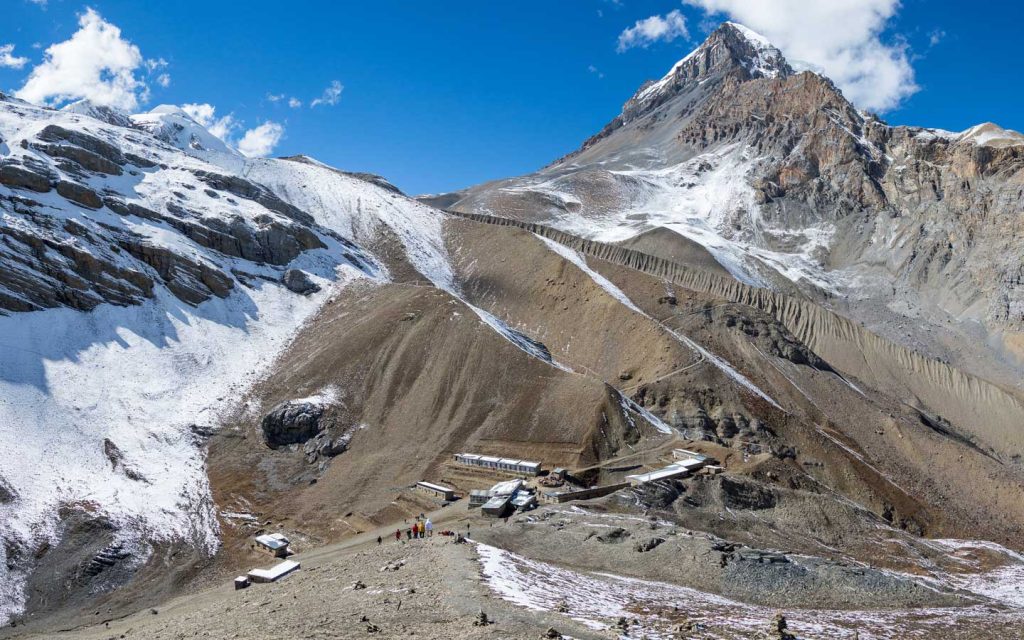
Lower elevations along the Annapurna Circuit stay fairly mild in September. Lower parts of the trail are usually warm in September, especially during the sunny afternoons. Once you get closer to Manang and Thorong La Pass, temperatures drop quite a bit compared to the lower sections of the trek. Higher up on the trail, the temperatures continue dropping, particularly early in the morning and later in the evening.
Even in September, the weather around Thorong La Pass can feel freezing when the wind starts picking up. Night temperatures in higher areas often fall below freezing.
Annapurna Circuit Temperature In September
| Location | Temperature |
|---|---|
| Lower Elevations (Below 2,500 m) | Day: 19°C to 27°C / Night: 10°C to 15°C |
| Manang (3,519 m) | Day: 10°C to 18°C / Night: 0°C to 5°C |
| Thorong La Pass (5,416 m) | Day: -4°C to 5°C / Night: Below -5°C |
| Muktinath and Higher Areas | Day: 8°C to 15°C / Night: -2°C to 4°C |
Thorong La weather in September can feel much colder than the actual temperature because of strong winds and early morning starts. Most trekkers cross the pass before sunrise, so layers, gloves, and proper cold-weather gear are still important in September.
Rainfall And Mountain Visibility
Rain usually becomes less frequent later in September, but occasional showers are still possible during the early part of the month. Because of the recent monsoon rain, the landscapes remain greener than they do in October and November. Rivers are fuller, waterfalls are more active, and forests still look fresh after the rainy season.
Mountain visibility also improves gradually through the month. Earlier in September, clouds can still build up around the higher mountains during the afternoon. Later in the month, mornings are usually clear, and the views tend to open up more across the Annapurna region.
Food And Accommodation On The Annapurna Circuit In September
Food and accommodation during the hike of the Annapurna Circuit in September are usually easy to manage, especially once the main monsoon rain starts easing off. Earlier in the month, the trail feels quieter in many places, while late September begins bringing more trekkers as the autumn season gets closer.
Staying In Teahouses Along the Trail
You will be staying in local teahouses throughout the Annapurna Circuit in September. Rooms are usually simple and small, normally with two single beds, blankets, pillows, and basic furniture.
At lower elevations, some teahouses may have attached bathrooms and slightly better facilities. Once you move higher up toward Manang, Yak Kharka, Thorong Phedi, and other high-altitude stops, things become much simpler. Shared bathrooms are common there; a hot shower or charging usually costs extra.
During September, it is normal for clothes and trekking gear to stay damp for longer because of the lingering monsoon moisture. But by evening, most people gather in the dining hall of the teahouses to eat, warm up, dry clothes near the stove, or spend time speaking with other trekkers.
Are Teahouses Busy In September?
Early September is usually quieter compared to October and November. As many trekkers still wait for stable autumn weather to trek the Annapurna Circuit, finding rooms is often easier in the first part of September.
Toward late September, the number of trekkers gradually increases, especially in popular overnight stops. In busy weeks, some basic rooms can fill up quickly if you arrive late in the afternoon.
What Food Can You Expect During The September Trek?
Food on the Annapurna Circuit in September is filling, simple, and mostly centered around what works best for long trekking days. Like in the Everest Base Camp Trek route, the teahouses here offer varieties.
Breakfast usually includes items such as the following:
- Eggs
- Porridge
- Pancakes
- Tibetan bread
- Toast
- Oatmeal
- Tea or coffee
Some villages also serve local foods such as sel roti, paratha, or puri tarkari.
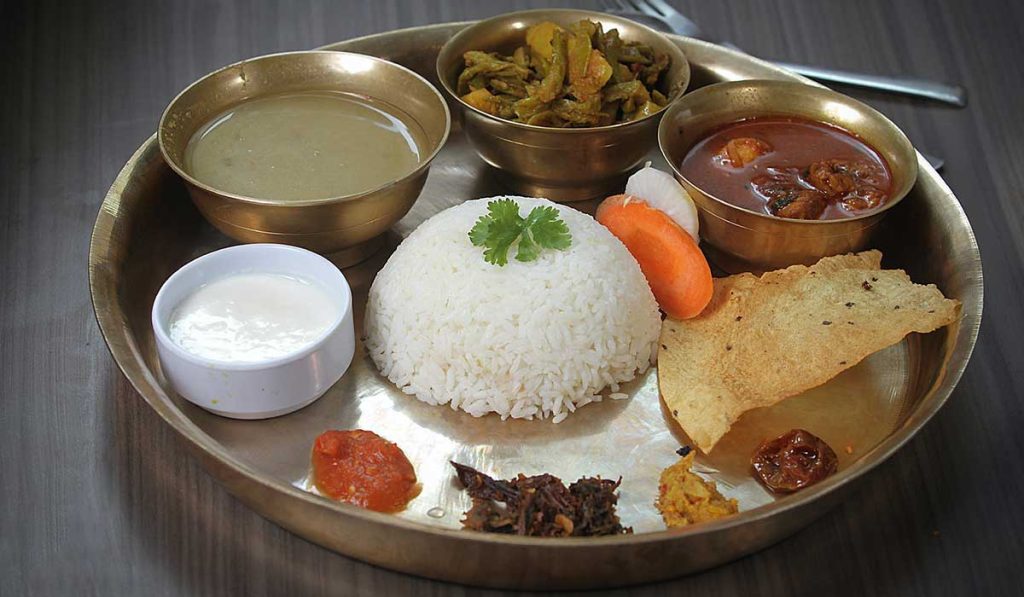
For lunch and dinner, dal bhat is still the meal most trekkers eat regularly on the trail. Other common options include noodles, fried rice, pasta, soups, momos, chow mein, and potatoes.
Food At Higher Elevations
As you move around Thorong La Pass, the weather gets colder, and menus often become limited compared to lower villages.
Once you get higher up near Manang and Thorong La, warm food starts to feel much more appealing after a long day on the trail. Many trekkers end up eating soup, noodles, garlic soup, tea, or dal bhat in the evenings because the temperature drops after sunset.
Route Conditions Of The Annapurna Circuit In September
The trail conditions during September on the Ananpuran Circuit can feel quite different depending on where you are on the route. Lower sections still experience some lingering monsoon rains earlier in the month. Meanwhile, the higher areas near Manang and Thorong La are usually cooler and drier.
As September moves toward October, the trails start becoming more stable, and visibility improves across much of the region. By late September, conditions across most of the route generally become better as the autumn trekking season begins.

Lower Trail Conditions: Bhulbhule (845 m) To Chame (2,610 m)
The lower Annapurna Circuit in September can experience remnants of monsoon. Areas between Bhulbule, Jagat, Dharapani, and Chame can still get occasional rain in early September, especially during the afternoon.
Some forest sections and stone staircases remain muddy or slippery after rainfall. And leeches are sometimes present in wetter areas during early September. At the same time, this part of the trail looks much greener than it does later in autumn. Waterfalls are fuller, rivers run stronger, and the hillsides remain lush after the monsoon season.
Road sections in the lower Annapurna region can also become rough or muddy after heavy rain, although conditions usually improve later in September once rainfall starts decreasing.
Manang And Upper Valley Conditions (3,519 m)
The weather generally starts feeling drier once travelers move beyond Chame toward Upper Pisang, Manang, and the upper valley, compared to the lower sections.
Rain becomes less frequent here, and mountain visibility often improves noticeably during clear mornings. Around Manang, September usually brings a mix of green lower slopes and dry high-altitude landscapes further up the valley.
Trail conditions are normally more stable in this part of the trek, although clouds and wind can build up later in the day. Nights also start feeling colder once you gain more altitude.
Thorong La Pass In September (5,416 m)
Thorong La Pass conditions in September are usually manageable, but weather still plays a big role in how difficult the crossing feels.
Earlier in September, some wet or slushy sections can still show up near Thorong La Pass if there has been recent rain or snowfall. Clouds also tend to hang around the pass more often during the first part of the month. Strong winds are also fairly common around Throong La, especially later in the morning.
One should cross the pass early in the day because mornings are normally cleaner and calmer. Temperatures near Thorong La feel much colder than the lower parts of the Annapurna Circuit in September, particularly before sunrise.
By late September, trail conditions near the pass are often more stable, and mountain visibility usually improves compared to early September.
Muktinath To Tatopani Trail Conditions
The trail from Muktinath down toward Jomsom, Marpha, and Tatopani sits in a drier part of the Annapurna region, so post-monsoon conditions are usually less noticeable here.
This section often feels dustier and more open compared to the greener lower valleys on the eastern side of the Circuit. Windy afternoons are fairly common around Jomsom and Kagbeni, especially near the Kali Gandaki Valley.
Closer to Tatopani, the landscapes gradually become greener again, and some lower sections may still feel humid earlier in September.
Ghorepani And Poon Hill Conditions
The Ghorepani and Poon Hill area often stays greener for longer because of the recent monsoon rain. Forest trails around this section can still feel damp or muddy earlier in September, especially after afternoon showers.
Visibility from Poon Hill depends heavily on the weather. Earlier in the month, clouds sometimes block the mountain views during the afternoon, while mornings are usually much clearer.
Later in September, skies tend to improve more consistently, and views of Annapurna, Dhaulagiri, and Machhapuchhre become sharper as October gets closer.
Annapurna Circuit Permits in September

Trekkers doing the Annapurna Circuit in September need an Annapurna Conservation Area Permit (ACAP). Since the trail passes through the Annapurna Conservation Area, permits are checked at different points along the route.
The Annapurna Conservation Area Permit usually costs around USD 30 for foreign nationals. Permit costs sometimes change, so it is better to check the latest fee before starting the trek. You can take these permits either in Pokhara or Kathmandu at the Nepal Tourism Board offices.
If you choose to trek with a travel agency, then Radiant Treks can arrange all the permits and make the journey easier for you.
Safety Tips For Trekking The Annapurna Circuit In September
September is a decent time to trek the Annapurna Circuit, although the trail can still feel a bit damp earlier in the month while the monsoon season fades out. Conditions usually improve as September goes on, but a few practical precautions still help quite a lot on the trail.

- A rain jacket and backpack cover are worth carrying in September because light afternoon rain can still show up from time to time.
- Lower sections of the trail sometimes stay muddy for a while after rain. So, trekking boots with decent grip help much more than lightweight shoes during this time of year.
- Leeches are mostly a lower-elevation problem during early September, particularly in wetter forest sections. Wearing long socks and avoiding sitting directly on wet ground usually helps.
- Start walking early in the morning since the weather is often clearer before clouds build later in the day.
- Around Thorong La Pass, the weather can change pretty quickly, so you should check local conditions before crossing.
- Higher villages feel much colder once the sun goes down, especially if your clothes are still damp after a rainy day. Change out of wet clothes into dry layers as soon as you reach the teahouse.
- Drinking enough water throughout the trek helps more than people expect once the altitude starts increasing.
- Most teahouses still prefer cash payments, so carry enough Nepali rupees before leaving Pokhara or Kathmandu. ATMs exist in a few places, like Jomsom, but they are not always dependable.
Is The Annapurna Circuit In September Suitable For Beginners?
Yes. It is possible for a wide range of trekkers, including people doing their first big trek in life, to set off for the Circuit’s September hike. You do not need climbing experience for the Annapurna Circuit in September, although the long walking days and higher altitude around Thorong La can still make parts of the trek physically tiring.
It is often a good choice for:
- Beginner trekkers with decent fitness
- First-time Himalayan trekkers
- People who prefer greener scenery and quieter trails
- Photographers looking for post-monsoon landscapes and changing mountain conditions

Thorong La Pass (5,416 m) is usually the toughest part of the trek because of the altitude and long walking hours. Most people manage it well by walking slowly and taking proper acclimatization days around Manang.
Prior trekking experience helps, but plenty of people complete the Annapurna Circuit in September without having done a major trek before.
A bit of fitness preparation before the trek usually makes the experience much easier. Many trekkers prepare by:
- Walking regularly
- Climbing stairs
- Doing light cardio
- Building leg strength through simple exercises
September can also suit trekkers who do not mind occasional rain, damp lower trails, and changing weather conditions in exchange for greener hills and fewer crowds compared to October.
What To Pack For Annapurna Circuit In September

Packing for the Annapurna Circuit in September is mostly about handling mixed weather conditions. Lower sections of the trail can still feel damp after rain, while higher places near Manang and Thorong La get much colder in the mornings and evenings.
Most trekkers are usually better off carrying light layers, quick-dry clothes, and proper rain protection instead of packing very heavy winter gear.
Trekking Clothes For September Weather
- Lightweight trekking shirts
- Thermal base layers
- Fleece jacket
- Down jacket for colder areas
- Waterproof jacket
- Rain pants
- Hiking pants or convertible trousers
- Shorts for warmer lower elevations
- Warm beanie or wool hat
- Cap or sun hat
- Neck gaiter or scarf
- Lightweight gloves
- Warm gloves for higher elevations
- Trekking socks
- Extra underwear and socks
Footwear For Wet And Slippery Trails
- Trekking boots with a solid grip
- Lightweight slippers or Crocs for teahouses
Rain Protection and Waterproof Gear
Early September still gets some rain, and as a result, certain trails stay muddy after showers. For dealing with that situation, you need the following:
- Backpack rain cover
- Waterproof layers
- Dry bags or waterproof pouches for electronics and documents
- Extra socks for wet days
Toiletries And Personal Essentials
- Toothbrush and toothpaste
- Sunscreen
- Lip balm
- Soap or shampoo
- Hand sanitizer
- Wet wipes and toilet paper
- Towel
- Insect repellent
- Personal medicines
- Feminine hygiene products
Trekking Equipment And Accessories
- Trekking poles
- Sunglasses
- Reusable water bottle
- Thermos flask
- Headlamp and spare batteries
- Power bank
- Charging cable
- Small first-aid kit
- Sleeping bag
- Backpack or duffle bag
- Camera or binoculars
Extra Packing Tips For September Trekking
- Quick-dry clothes are usually much more useful than cotton during post-monsoon trekking since damp clothes can take time to dry properly.
- Many trekkers also keep phones, passports, and cameras inside waterproof pouches because light rain is still fairly common earlier in September.
- Even though September is not the coldest trekking month, evenings near Manang and Thorong La can still feel pretty cold once the sun drops behind the mountains. So, carrying warm layers for the evenings makes a noticeable difference.
Frequently Asked Questions (FAQs)
Is September A Good Month For The Annapurna Circuit?
For many trekkers, yes. September sits right between the monsoon season and the busy autumn trekking months. So, the trail feels a bit different compared to October or November. Earlier in the month, you can still run into some rain and cloudy afternoons, especially lower down. But the hills stay green, waterfalls are fuller, and the route is usually quieter. The weather conditions on the Annapurna Circuit in September (the latter part) often become more stable, and mountain views improve noticeably.
How Rainy Is The Annapurna Circuit In September?
Rain mostly depends on when you trek in September. The first couple of weeks can still get afternoon showers because the monsoon does not disappear overnight. Lower areas like Bhulbhule, Jagat, and Dharapani usually stay wetter than the higher sections near Manang and Thorong La Pass. By late September, rainfall normally drops quite a bit across most of the Annapurna region.
Are The Annapurna Circuit Trails Muddy In September?
Some of them are, especially during early September. Forest trails, stone staircases, and lower valleys can remain slippery after rainfall. Once you move higher toward Manang, the trails usually become drier and more stable. Many trekkers carry trekking poles and waterproof boots during September because conditions can still feel damp after the monsoon.
Is Thorong La Pass Difficult In September?
Thorong La Pass is already the toughest section of the Annapurna Circuit because of the altitude, and September weather can sometimes make it feel harder. Earlier in the month, clouds and strong winds are fairly common around the pass. Most trekkers leave before sunrise since mornings are usually calmer and visibility tends to be better before afternoon weather changes begin.
Can Beginners Trek The Annapurna Circuit In September?
Yes, plenty of first-time Himalayan trekkers do the Annapurna Circuit in September. You do not need technical climbing experience, but the trek still involves long walking days and significant altitude gain. Preparing with regular walking, stair climbing, or cardio beforehand usually helps more than people expect.
Are Mountain Views Clear In September On The Annapurna Circuit?
Not every day, especially at the beginning of the month. Early September can still bring clouds around the higher mountains during the afternoon. But visibility generally improves as September moves closer to October. Mid and late September mornings often bring clearer views of Annapurna, Dhaulagiri, Machhapuchhre, and surrounding peaks.
Is September Less Crowded Than October On The Annapurna Circuit?
Usually, yes. September tends to feel quieter because many trekkers wait for the fully dry autumn in October and November. Earlier in the month, teahouses are often quieter, and finding rooms is easier. Toward late September, the number of trekkers gradually starts increasing again.
What Clothes Should I Pack For Annapurna Circuit In September?
September weather on the Annapurna Circuit can change quickly, so layered clothing works best. Quick-dry trekking clothes, a waterproof jacket, rain protection for your backpack, and warm layers for higher elevations are all useful. Even though daytime temperatures may feel mild lower down, mornings around Thorong La Pass can still feel very cold.
Are Teahouses Open During The Trek To the Annapurna Circuit In September?
Yes, teahouses stay open along the Annapurna Circuit in September. Earlier in the month, some smaller lodges may still be reopening properly after the monsoon season, but accommodation is generally available throughout the route. Later in September, busier stops like Manang or Thorong Phedi can start filling up faster as autumn trekking season approaches.
Is September A Good Month For Photography On The Annapurna Circuit?
Many trekkers think so, especially if they enjoy greener landscapes. September trails still carry that fresh post-monsoon look, with fuller rivers, active waterfalls, rice terraces, and greener forests than late autumn. The mountain views become more reliable later in the month, particularly during the mornings.