Choosing the best company for Everest Base Camp Trek makes the difference between a great trip and two weeks of quiet frustration in the mountains. Every year, hundreds of agencies advertise more or less the same Everest Base Camp itinerary at more or less the same price. On paper, they all look interchangeable. It’s only once you are a few days into the trek—exhausted, short of breath, wondering if your guide actually knows what he’s doing—that the differences start to show.
This guide isn’t here to convince you that one company is the best in Nepal. It’s here to help you find the best company for your Everest Base Camp trek — by teaching you what experienced trekkers already know: how to actually evaluate an agency before you hand over a deposit.
We, at Radiant Treks, have been guiding people through the Khumbu for almost two decades now, and honestly, we have watched enough treks go sideways to know exactly which questions matter and which ones are just noise.
What Trekkers Actually Research Before Booking
Is this company actually trustworthy, or just good at marketing? Are the five-star reviews real? How experienced is the guide, specifically—not the company but the guide? What’s the plan if someone starts showing signs of altitude sickness? Do they handle Lukla flights properly, or do you get stranded? Are there costs that show up later that weren’t in the original quote? Is the itinerary paced sensibly, or does it rush the acclimatization days? Are the porters treated fairly? And if something goes wrong — a flight cancellation, an injury, an emergency evacuation — how quickly does the company actually respond?
These same handful of questions come up again and again in the trekking corners of Reddit and Facebook groups. Here, people often compare notes before their trip to make a wise decision, or to choose the best company for the Everest Base Camp Trek
What’s particularly striking is what people don’t ask about as much. Price barely comes up on its own. Almost nobody is out there hunting for the absolute cheapest package. What they are actually trying to avoid is a ruined trip, or worse, an unsafe one. That’s the real research question underneath all the others: can I trust this company with my safety for two weeks at altitude?
Don’t Choose the Cheapest Everest Base Camp Trek
The cheapest trek is often not the best one. Trekkers online say it a lot: “Buy cheap, buy twice.”
When a company charges very little, something usually gets cut:
- Guide experience — cheap guides often have less training
- Porters — fewer porters means each one carries too much weight
- Rest days — a shorter trip is cheaper to run, but skips important rest days
- Hidden costs — extra fees for permits or gear that show up later
You won’t see these problems on a website. You only discover these problems on the trail. By then, it’s too late.
So don’t just compare price. Compare value — that’s really what separates the best company for an Everest Base Camp trek from the rest. Before you choose, ask:
- What is included in the price?
- Who is my guide?
- How many rest days are in the plan?
At Radiant Treks, we don’t cut safety to lower our price. Every trip has proper rest days, trained guides, and clear pricing from the start. You can expect no surprises later.
Cheap vs. Professional Trekking Company
| Cheap / Budget Operator | Professional Operator |
| Guide Experience: Often limited, lower-cost hires | Guide Experience: Licensed, experienced guides with Wilderness First Aid training |
| Itinerary: Rushed schedule with few or no acclimatization/rest days | Itinerary: Well-planned itinerary with proper acclimatization built in |
| Pricing: Low upfront cost, but hidden fees may arise later | Pricing: Transparent, all-inclusive pricing from the beginning |
| Porters: Often overloaded and under-supported | Porters: Fair weight limits, insurance, and ethical treatment |
| Emergency Response: Unclear procedures and slower response | Emergency Response: Direct rescue coordination and rapid emergency support |
| Lukla Flight Handling: Reactive approach with limited assistance | Lukla Flight Handling: Proactive flight management with backup plans when needed |
| Reviews: Generic ratings with little detail | Reviews: Detailed testimonials featuring named guides and real trekking experiences |
| After-Booking Support: Minimal communication after payment | After-Booking Support: Continuous assistance before, during, and after the trek |
Local vs. International Trekking Companies
Choose a company based in Nepal that runs its trips. This is one of the top tips you will see from experienced trekkers looking for the best company for their Everest Base Camp trek. And here is why it matters. Many big international companies don’t run the trek themselves. They sell you the trip, then pass it to a local Nepali company. This practice causes problems:
- You pay extra cost for the middleman
- You are further away from the people making real decisions
- Communication is slower when something needs to change
This doesn’t mean every international company is a poor choice. But a local company usually has clear advantages:
- Faster decisions when weather changes or a flight is cancelled
- Direct contact with teahouses and porters — no middleman
- A real team in Kathmandu who can help early in the morning, not in a different time zone
Radiant Treks is based in Kathmandu. We are not managed from another country. When plans change fast — and they sometimes do on this trek — a phone call is better than a long chain of emails.
Read Reviews Carefully
A five-star rating alone doesn’t tell you much about whether it is the best company for Everest Base Camp Trek. Anyone can collect stars. What actually matters is what’s inside the reviews.
When you are checking a company’s reviews, look past the star count and read the details:
- Specific stories — do reviewers describe what actually happened on the trek, not just “great trip, would recommend”?
- Named guides — do people mention their guides by name? That’s usually a sign of a real, personal experience on the trails.
- Repeat customers — are the same names showing up across multiple trips or years? It could be a sign of trustworthiness.
- How problems were handled — look for reviews that mention something going wrong and how the company responded.
- Company replies — does the company respond to reviews, especially critical ones? A thoughtful reply says more than a wall of five-star silence.
Anyone, including the company itself, could write a generic review. A detailed one, with real names and real moments, is much harder to fake.
It’s also worth checking outside the company’s own website. Trekker communities on Reddit, Tripadvisor, and similar forums tend to be more blunt — people there aren’t shy about naming names, good or bad. If a company keeps coming up in a positive way across independent sources, not just their testimonials page, that’s a stronger signal.
At Radiant Treks, many of our guests mention their guide by name in their reviews and talk about specific moments — how the team handled a sudden weather change or noticed early signs of altitude sickness before it became serious. Those are the details worth reading, no matter which company you end up choosing.
Ask Who Your Guide Will Be
People care more about their guide than the company name on the website. This topic comes up again and again in trekker discussions—and it makes sense. Your guide is the person you spend nearly two weeks with. They are the one who notices if something is wrong before you do.
Before you book, it’s worth asking a few direct questions about the guide you’ll actually get:
- Are they licensed? Nepal requires proper certification to guide treks
- Do they have wilderness first aid training? This is first-aid training built specifically for remote places—far from a hospital, at altitude, where you can’t just call an ambulance. It matters more here than almost anywhere else
- How many times have they done this route? Not years in the job—actual trips completed
- Do they speak English well? You need to understand them clearly, especially if something feels off
- Can they recognize altitude sickness early? A good guide often notices symptoms before the trekker does
A company can have a great website and still send you a guide who’s done the route twice. Ask the company who your guide will be, and don’t hesitate to ask about their experience — not the company’s.
How The Process Plays Out At Radiant Treks
Our founder, Gokarna, has spent almost two decades guiding treks in the Everest region. That kind of experience goes beyond simply knowing the trail. Gokarna knows how mountain weather tends to shift by season, knows teahouse owners personally in villages across the Khumbu, and knows which logistics partners actually show up on time and which don’t. Equally competent are other guides trained under him.
That local network is invaluable, especially when a flight gets delayed, the weather changes, or a trekker needs help fast. It’s the difference between a guide reading a map and one who’s walked the route hundreds of times and knows the people along it.
Meet Your Trek Leader: Gokarna
Gokarna has spent almost two decades guiding trekkers through the Everest region. In that time, he’s built more than route knowledge—he’s built relationships. He knows teahouse owners by name across the Khumbu. He understands how the weather tends to shift by season and what that means for planning. He’s watched hundreds of trekkers go through the same worries first-timers have and knows how to keep a trek safe without making it feel over-managed.
Under his leadership, Radiant Treks focuses on the things that actually matter on this trek: proper pacing, honest communication, and a team that treats every trekker as more than a booking.

How Does the Company Handle Altitude Sickness?
Success on this trek depends more on the itinerary and guide support than on prior trekking experience. That’s important to know if this trek is your first time trekking at altitude—you don’t need to be an athlete to reach Base Camp. You need a company that takes altitude sickness seriously.
Altitude sickness is one of the biggest safety concerns on this trek. Many companies never really talk about it before you book. That’s a problem, because by the time it comes up, you’re already on the trail.
Before booking, ask:
- What happens if I can’t continue? Is there a backup plan, or are you on your own?
- Is the itinerary flexible? Can rest days be added if someone needs more time to adjust?
- Is oxygen carried on the trek? And is there a pulse oximeter to check your oxygen levels?
- What’s the evacuation plan? If someone needs to leave quickly, how fast can that happen?
Many companies never mention any of this until it’s already an issue. You can call it the best company for Everest Baase Camp trek if that brings it up on its own, before you ask, and usually takes it seriously.
At Radiant Treks
Our guides check trekkers for signs of altitude sickness throughout the day—not just when someone says they feel unwell. Early signs are often small: a slight headache, feeling more tired than usual, a change in appetite. Catching these early is what keeps minor symptoms from turning into serious problems.
Check the Itinerary
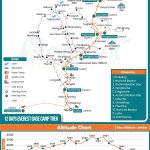
A rushed itinerary is one of the biggest risks on this trek. The route to Base Camp gains altitude quickly, and your body needs time to adjust. A rushed itinerary skips or shortens that adjustment time to save a day or two. A good one builds it in on purpose.
Here’s what to look for when comparing itineraries:
- A rest day in Namche Bazaar — usually around Day 3, before you climb much higher
- A rest day in Dingboche — another key acclimatization stop higher up the route
- A pace that isn’t packed too tight — some flexibility built in, not a fixed sprint to the top
Why does this step matter so much? At higher altitude, there’s less oxygen in the air. Your body needs a day or two at each stage to adjust and produce more red blood cells to cope. Skip that step, and altitude sickness becomes far more likely—which can mean turning back before you even reach Base Camp.
A shorter itinerary might look appealing on price or on the calendar. But if it’s missing proper rest days, that’s not a shortcut — it’s a risk. This detail is one of the simplest things to check before booking and one of the easiest to get wrong.
Ask What Happens If Lukla Flights Are Cancelled
Flight delays to Lukla are common, not rare. The airport sits high in the mountains, and the weather there can change fast. Flights get delayed or cancelled often, especially in the morning when clouds roll in. This scenario is one of trekkers’ biggest worries, and first-timers usually don’t think about it until it happens.
Before you book, ask the company how they handle such situations:
- Who rebooks the flight if the airline cancels it — you, or the company?
- Does the company hold priority status or airline relationships that rebook you faster?
- Does a helicopter become an option if bad weather delays flights for several days?
- What happens with hotel nights if severe weather strands you in Kathmandu or Lukla?
- Does the company cover extra nights, or do you pay for them?
- Does the company have a backup transport plan if flights cancel for an extended period?
This company has already faced this situation many times before, so it usually has a plan in place — that’s what real experience on this route gives you. A company that seems surprised by the question is a company that probably hasn’t dealt with it well.
At Radiant Treks
Because we have been running this route for years, our team actively manages flight schedules and works out alternative plans when the weather doesn’t cooperate. You can’t avoid flight delays—they are part of trekking in the Himalayas—but how a company responds to them can make the difference between a minor inconvenience and a ruined trip.
Understand Exactly What’s Included
Two companies can quote very different prices for what looks like the same trek—the reason is usually what each one includes, not which trek it actually is. This is one of the most common questions people have when comparing packages, and it’s also one of the easiest to get wrong if you don’t ask directly.
Before comparing prices, check exactly what the package covers:
- Permits — national park and local area permits required for the trek
- Airport pickup — is transport from the airport to your hotel included?
- Hotels in Kathmandu — before and after the trek
- Meals — during the trek, and sometimes in Kathmandu too
- Guide — does the price include a licensed guide, or is that an extra cost?
- Porter — does the price include porter service, or is it optional and separately priced?
- Domestic flight — the Kathmandu–Lukla flight, round trip
- Duffel bag — for the porter to carry your gear
- Sleeping bag and down jacket — often rented separately if not included
- Taxes and service charges — sometimes added on top of the quoted price
A lower price often means the company left out one or more of these items, and you’ll end up paying for them separately anyway—usually at a worse rate once you’re already committed.
The simplest way to compare two companies fairly is to ask each one for a full breakdown of what they include, then compare the total real cost — not just the headline number on the website.
Ask How Emergency Rescue Works
How fast a company responds in an emergency matters more than almost anything else on this list. This is one of the biggest trust factors trekkers look for, and for good reason — at altitude, in a remote area, a slow response can turn a manageable situation into a serious one.
Before booking, ask the company directly:
- Who contacts the helicopter if I need to be evacuated? Is it the guide on the trail, or does it need to go through an office first?
- Do they help with insurance paperwork? Travel insurance usually covers rescue costs, and the process can be confusing at an already stressful moment.
- How do you communicate on the trail? Is there a way to get help even when the phone signal is poor?
- Is the guide trained for emergencies? This connects back to the Wilderness First Aid training mentioned earlier
- Does the company’s office actively support the guide, or is the guide handling everything alone?
A company that can quickly and clearly answer these questions has likely dealt with real emergencies before—and learned from them.
At Radiant Treks
After almost two decades of guiding in this region, Gokarna and the team know how quickly emergencies need managing. Relationships with local communities, logistics partners, and rescue coordination teams help them get help to you quickly when you need it — because in a real emergency, every minute matters.
Quality Of Best Company For Everest Base Camp Trek: Ethical Treatment Of Porters
How a company treats its porters says a lot about how it will treat you. This is a topic that comes up more and more in trekker discussions, and it’s a fair thing to ask about before booking—porters are the backbone of every trek in this region, often carrying heavy loads at the same altitude you’re struggling to walk at.
A few things worth checking:
- Weight limits — is there a clear limit on how much a porter carries, and is it enforced?
- Insurance—Are porters covered by insurance in case of illness or injury?
- Right gear—do the porters have the right clothes and equipment for the altitude and the cold?
- Fair accommodation and food—do porters stay and eat properly during the trek, not as an afterthought?
- Fair wages—are porters paid a fair rate for the work they do?
These details aren’t always advertised on a company’s website, so it’s worth asking directly. A company that treats its porters well is usually a company that runs things properly overall — and trekkers are increasingly paying attention to these factors before they book.
Does the Company Still Help After You Pay?
Good service doesn’t stop once you have paid — in fact, that’s often when it should ramp up. Booking is just the beginning. What happens between booking and the day you land in Kathmandu says a lot about how the company will treat you on the trek itself.
Look for these signs of ongoing support:
- Fast replies to emails—not days of silence when you have a question
- WhatsApp or direct messaging support—an easy way to reach someone quickly
- Help with trip planning—guidance on what to expect, not just a confirmation email
- A packing list—clear guidance on what gear you actually need
- Visa advice—help understanding Nepal’s visa process if you’re arriving from abroad
- Training tips—basic advice on how to prepare physically before the trek
- Equipment recommendations—what to buy, what to rent, and where
A company that stays engaged after you have paid is a company that sees you as more than a booking number. Good service starts long before you land in Kathmandu — not the moment you show up at the airport.
Checklist: Questions to Ask Before Paying Any Deposit
By now, you have seen the main things that separate a trustworthy company from a risky one. Before you commit to any deposit, it helps to have all of this information in one place. Save this list, or send it directly to any company you are considering:
- Is your company registered and licensed to operate in Nepal?
- Who will be my guide?
- How many treks has my guide completed?
- What happens if my flight to Lukla is cancelled?
- Do you schedule days for acclimatization in the itinerary?
- Do you include porter insurance?
- How do you coordinate emergency rescue if something goes wrong?
- Are there any hidden costs not included in the quoted price?
- Can I speak with previous trekkers about their experience?
- Who do I contact for help after I’ve booked?
A company that answers these questions clearly, without hesitation, can be the right choice because it has nothing to hide. If a company is vague, slow to respond, or avoids a direct question, take that as useful information too.
Red Flags to Avoid
A few warning signs worth watching for when comparing trekking companies:
- A price that seems too low compared to everyone else—something is usually being cut to hit that number
- Vague answers about the guide—if they can’t tell you who your guide is or how experienced they are, that’s a problem
- No mention of acclimatization days in the itinerary
- Reluctance to answer direct questions about emergency procedures or rescue plans
- Only generic, star-rating-only reviews with no real detail or names
- No clear breakdown of what’s included in the price
- Slow or unclear communication before you’ve even booked
- No local office or presence in Nepal — just an email address and a website
- Pressure to book quickly without time to ask questions
- No mention of porter welfare anywhere in their materials
If a company shows more than one or two of these, it’s worth taking a closer look before committing.
Why Radiant Treks Is the Best Company For Everest Base Camp Trek
After almost two decades in Nepal’s mountains, we have learned that a successful trek depends on preparation, local knowledge, and experienced people—not marketing promises. That’s the thinking behind how we run things.
Here’s what that looks like in practice:
- Experienced local leadership — decisions made by people who actually know the region, not a distant office
- Personalized service — treks planned around the trekker, not a one-size-fits-all package
- Proper acclimatization — rest days built in, not skipped to shorten the trip
- Small groups — more attention per trekker, less feeling like a number
- Transparent pricing — no costs that appear later that weren’t part of the original quote
- Strong local connections — relationships across the Khumbu, from village teahouses to transport and emergency support
- Reliable transportation management — active handling of flights and logistics when plans change
- Quick decision-making during weather changes — because in the mountains, plans change fast
- Dedicated support — before, during, and after the trek, not just up until the deposit is paid
At the center of all this is Gokarna, whose experience spans almost 20 years guiding in Nepal’s Himalayas. That experience isn’t just about knowing the trail — it’s about the relationships you build along the way, across the Khumbu region. That is one of the reasons our company responds quickly when something needs to change. Whether it’s last-minute logistics, transportation, or a shift in mountain conditions, those relationships are what help deliver a smoother, safer trek.
If you’re weighing your options, we’re happy to answer questions directly — no pressure, no sales pitch. Get in touch with our team, or talk to Gokarna directly if you’d like to hear from him about your specific plans.
Best Company For Everest Base Camp Trek: Final Thoughts
When it comes to choosing the best company for Everest Base Camp trek, it’s not so much about the cheapest price. It’s about choosing a team you trust to look after you in one of the world’s most demanding environments.
Take the time to compare companies properly. Ask detailed questions. Look closely at their experience, safety practices, and communication before you pay a deposit—how they treat you during booking is usually how they’ll treat you on the trail.
A well-prepared company doesn’t just get you to Base Camp and back. They help you actually enjoy the journey, with real confidence, from the moment you land in Nepal until the day you fly home.
Ready to start planning? Talk to Gokarna about your trek, or browse our packages to see itineraries and pricing.

Frequently Asked Questions
Can You Recommend Affordable Trekking Companies?
Book with a local, Nepal-based operator instead of an international one. Doing so, you can get better value for your money. International companies usually subcontract the actual trek to a local company anyway, and you end up paying extra for that middle layer. Skip it; go local.
How Difficult Is The Trek For Someone With No High-Altitude Experience?
It’s manageable for most healthy first-timers, and difficulty depends way more on your itinerary and guide than on your fitness level. A trek with proper rest days and a guide who’s watching for altitude symptoms early is what actually gets people to Base Camp—not being an athlete.
What Costs Does A Company Charge For Booking?
Prices depend on what’s included, not just the headline number. Guide quality, hotel standards, flights, meals, and group size are what drive the difference between one company’s quote and another’s—always ask for the full breakdown, not just the total.
What Should I Consider When Planning a Budget Trek?
A budget trek should never mean cutting acclimatization days or hiring an inexperienced guide—those two things directly affect your safety, not just your comfort. Everything else can flex; those two shouldn’t.
How Do Package Prices Vary So Much?
Price depends mainly on guide experience, hotel quality, group size, meals included, and flight arrangements. Two companies can quote very different numbers for what looks like the same trek simply because one of them includes less.
How Do I Plan With The Best Company For Everest Base Camp Trek?
Start by choosing a local, licensed company, confirm who your guide will be and how experienced they are, and make sure the itinerary includes acclimatization days at Namche and Dingboche. Everything else — permits, gear, packing — the company should walk you through after that.
How Do I Book It?
Most companies require a deposit to lock in your dates, then send a full itinerary and packing list before departure. Ask exactly what the deposit covers and what happens if plans change before you pay it.
How Much Money Should I Take for the Trek Itself?
Budget extra beyond your package cost for hot showers, Wi-Fi, snacks, and tips. Companies seldom include them in the trek packages. A rough buffer of a few hundred dollars on top of your package is typical.
What Happens If I Get Altitude Sickness?
A skilled guide monitors you for symptoms throughout the day, not just when you report feeling unwell, and the itinerary should have flexibility to add rest days if needed. If it’s serious, there should be a clear evacuation plan already in place—ask about this before you book, not after. How they handle the situation defines whether they belong to the best company for Everest Base Camp trek or not.
Should I Book Local or International?
Go with a locally based, locally run operator—it means faster decisions, direct relationships with teahouses and porters, and a team physically in Kathmandu who can respond fast when plans change.
Is It Worth Hiring a Private Guide?
It’s worth it if you want personalized pacing and full attention on you—a group trek is cheaper and more social, but a private guide adjusts entirely around your pace and needs. Either way, the guide’s actual experience matters more than which format you pick.
What Should I Check In A Company’s Reviews?
Look for detailed reviews that name the guide and describe real moments — a challenging-weather day, an altitude scare, and how the company handled it — rather than just a star rating. A high average with no detail behind it doesn’t tell you much.
What’s Included in a Typical Package?
Most companies standardly include permits, a guide, and the domestic flight. Porter service, meals, sleeping bags, and down jackets vary from company to company, so always ask for a full written breakdown before you compare prices.