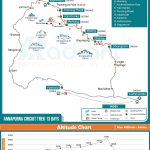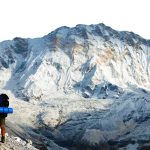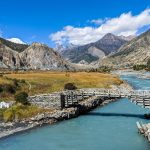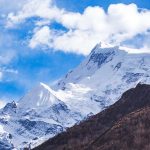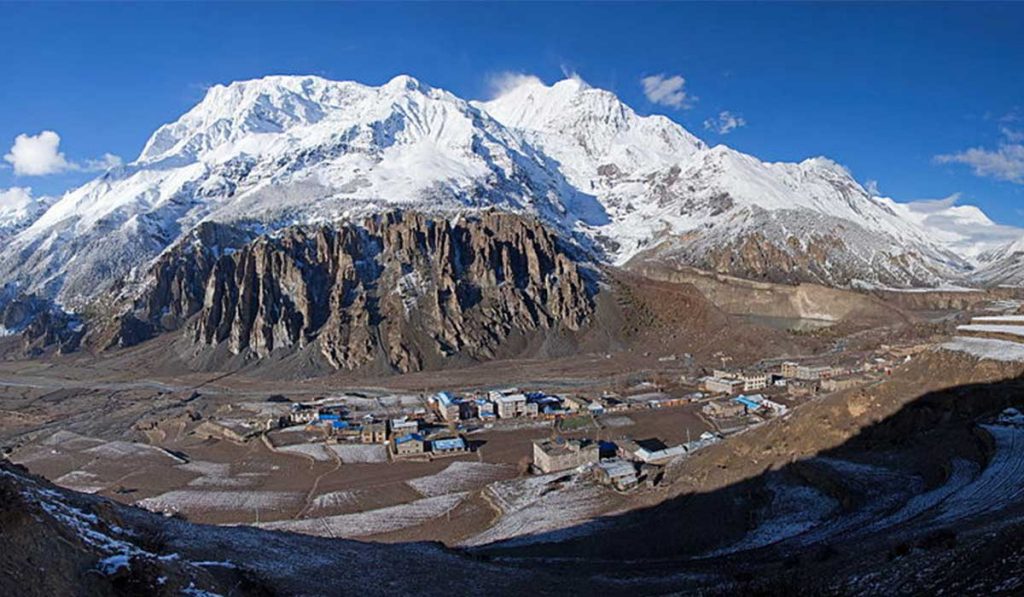
The Annapurna Circuit difficulty is moderate to challenging: the trail is not technical, but the altitude, long walking days, cold weather, and Thorong La Pass make it a serious trek.
You do not need climbing skills for the Annapurna Circuit. Most of the route follows village paths, stone steps, dirt trails, and rough mountain tracks. In the lower sections, the walking can feel quite manageable.
The difficulty becomes more noticeable after Manang. Higher up, breathing feels harder, mornings get colder, and even short climbs can feel tiring. By the time trekkers reach Yak Kharka, Thorong Phedi, or High Camp, walking slowly is not a choice; it is part of staying safe.
The hardest day is usually the crossing of Thorong La Pass at 5,416 meters. Most people start before sunrise, walk slowly because of the altitude, and reach Muktinath late in the day with tired legs.
So while beginners do complete the trek of the Annapurna Circuit, it usually goes much better when they train beforehand and give themselves enough time to adjust to the altitude.
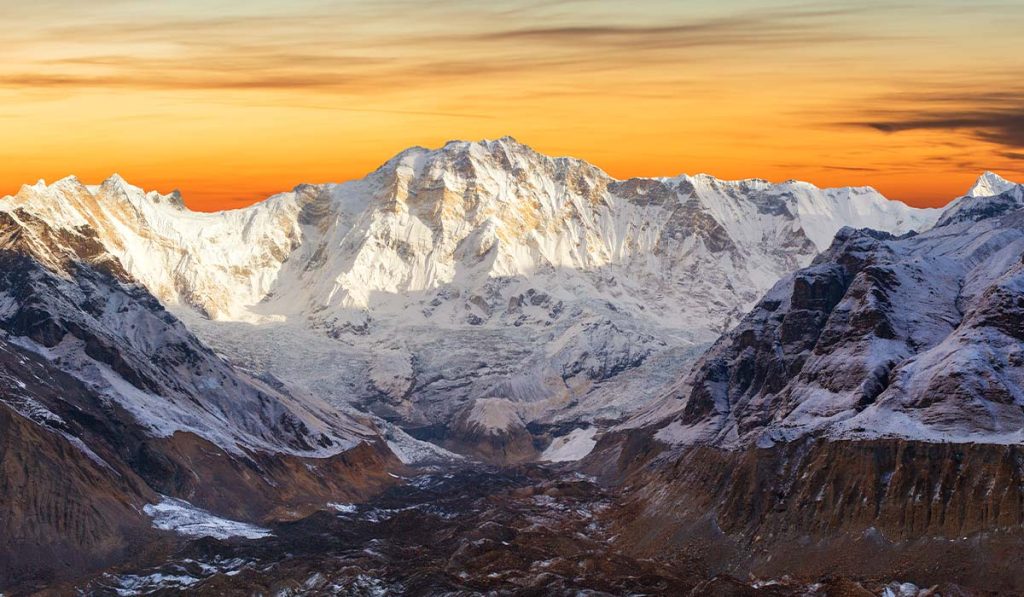
Annapurna Circuit Difficulty at a Glance
The Annapurna Circuit is demanding mainly because of the altitude and the number of consecutive walking days. It is not a technical mountain climb, but it is still one of the more challenging teahouse treks in Nepal once you move higher than Manang. For most trekkers, Annapurna Circuit difficulty is more about altitude and endurance than technical climbing.
Annapurna Circuit Difficulty Overview
| Factor | What to Expect |
| Overall difficulty | Moderate to challenging |
| Highest point | Thorong La Pass (5,416 meters) |
| Technical climbing | No |
| Average walking hours | Around 5 to 7 hours a day |
| Main difficulty | Altitude and long walking days |
| Hardest section | Thorong La Pass crossing |
| Suitable for beginners? | Yes, with preparation and acclimatization |
| Best preparation | Cardio, hiking, leg endurance, steady pacing |
Many trekkers are surprised that the hardest part is not the trail itself. In most places, the paths are straightforward. The difficulty comes from walking day after day while gaining altitude.
The stretch between Manang and Thorong La Pass is where most people start feeling the effects of the trek properly. Higher up, people usually notice they get out of breath more quickly, especially in the morning or on short climbs.
What Makes The Annapurna Circuit Difficult?
For most trekkers, the altitude is more challenging than the trail itself. The walking is usually manageable in the lower sections, but things begin to feel different after Manang.
Altitude And Thin Air
After Manang, many people notice they cannot walk at the same pace as before. Higher up on the trail, even small climbs can start to feel tiring. Many trekkers notice simple things taking more effort than they did lower down. Common signs people notice include:
- Feeling tired sooner than usual
- Stopping more often to catch their breath
- Difficulty sleeping well at night
- Waking up with headaches
- Having less energy during the day
This issue usually becomes more noticeable on the way to Yak Kharka, Thorong Phedi, and High Camp.
Long Walking Days
The Annapurna Circuit is a multi-day trek. Most days involve several hours of walking, often on back-to-back days without much rest.
Even when the trail is not steep, the constant movement can cause tired legs, sore knees, and general fatigue. So, long walking days are one of the biggest reasons the Annapurna Circuit difficulty feels harder than expected.
Thorong La Pass
Crossing Thorong La Pass at 5,416 meters is usually the hardest part of the Annapurna Circuit. That day is difficult because of the following:
- The altitude
- Cold early-morning temperatures
- Several hours of climbing
- A long descent toward Muktinath afterward
Weather And Trail Conditions
Conditions can change quickly in the mountains. A comfortable morning lower down can turn windy or snowy higher up the trail.
The season changes the experience quite a bit, too:
- Winter usually means snow and freezing mornings near the pass
- Monsoon brings wet trails, mud, and slippery sections lower down
- Spring and autumn are generally easier for walking, though nights still feel cold higher up

Is The Annapurna Circuit Suitable For Beginners?
Yes, beginners do the Annapurna Circuit every year, as one does not need climbing experience or technical skills for the route. It is even possible to complete the Annapurna Circuit with Tilicho Lake.
Most of the path is a regular walking trail through villages, forests, and mountain valleys. For many first-time trekkers, the altitude, cold mornings, and long days of walking can be more tiring than expected. Things often start to feel noticeably harder when you reach the higher parts of the trail.
For beginners, the difficult part is usually the altitude, not the trail. Walking becomes slower, the cold feels stronger in the morning, and long days on the trail start catching up with you near Thorong La Pass.
People with no trekking experience sometimes assume fitness alone is enough. In reality, pacing and acclimatization matter just as much once you get higher.
When Beginners Can Manage It
Most beginners handle the trek much better when they come prepared and give themselves enough time on the trail.
Beginners are more likely to manage the trek if they:
- Train before the trek
- Walk at a slow, steady pace
- Take acclimatization days seriously
- Listen to guides and local advice
- Keep realistic expectations about altitude and daily walking hours
Many trekkers who struggle on the Annapurna Circuit are not necessarily unfit. Often, they simply try to move too quickly at higher elevations.
When Beginners May Struggle
The trek usually becomes harder for beginners who underestimate the altitude or rush the itinerary. That is because you start finding the trek much harder when you try to move too fast or ignore how your body is reacting to the altitude. So, the struggle begins when they skip the acclimatization days to save time or arrive without much preparation.
Cold mornings near the pass also surprise many people, especially around Thorong Phedi and High Camp. By that stage of the trek, most realize the Annapurna Circuit is not really about walking fast. It is more about keeping a steady rhythm and giving your body time to adjust as you go higher.

Fitness Level Needed For The Annapurna Circuit
The fitness level needed to deal with the Annapurna Circuit difficulty is moderate. You do not need to be highly athletic, but you should be comfortable walking uphill for several hours on consecutive days.
Many people imagine the trek is only difficult because of the altitude. In reality, the physical side starts to affect you after a few long days on the trail. Legs get tired, knees start complaining on descents, and recovery feels slower once you get higher.
How Fit Do You Need To Be?
Most reasonably active people can prepare for the Annapurna Circuit without extreme training. You do not need marathon fitness or mountaineering experience. But you should be able to:
- Walk 5 to 7 hours a day
- Ascend uphill sections without stopping constantly
- Recover well enough to walk the next morning again
- Stay comfortable carrying a small daypack
The multi-day trek becomes much more enjoyable when you have already gotten your body used to regular movement before arriving in Nepal.
What Kind Of Fitness Matters Most?
For the Annapurna Circuit, stamina matters more than speed.
People who do regular walks, hikes, stair climbing, cycling, gym workouts, or light cardio usually settle into the trail more comfortably. Strong legs help on long descents, especially after Thorong La Pass, while balance becomes important on uneven stone paths and loose sections of trail.
Mental patience also matters more than many trekkers expect. Some days feel long, and altitude naturally slows the pace higher up.
Who Usually Finds It Harder?
The trek often feels harder for people who rarely walk long distances before coming to Nepal. Knee pain can also become a problem on steep descents, especially between Thorong La Pass and Muktinath.
You should also understand that the trekkers who carry too much weight usually tire more quickly. Furthermore, people who are new to altitude sometimes push themselves too hard during the first few days, leading to tiredness as well as some hardship.
Annapurna Circuit Altitude Difficulty And Acclimatization
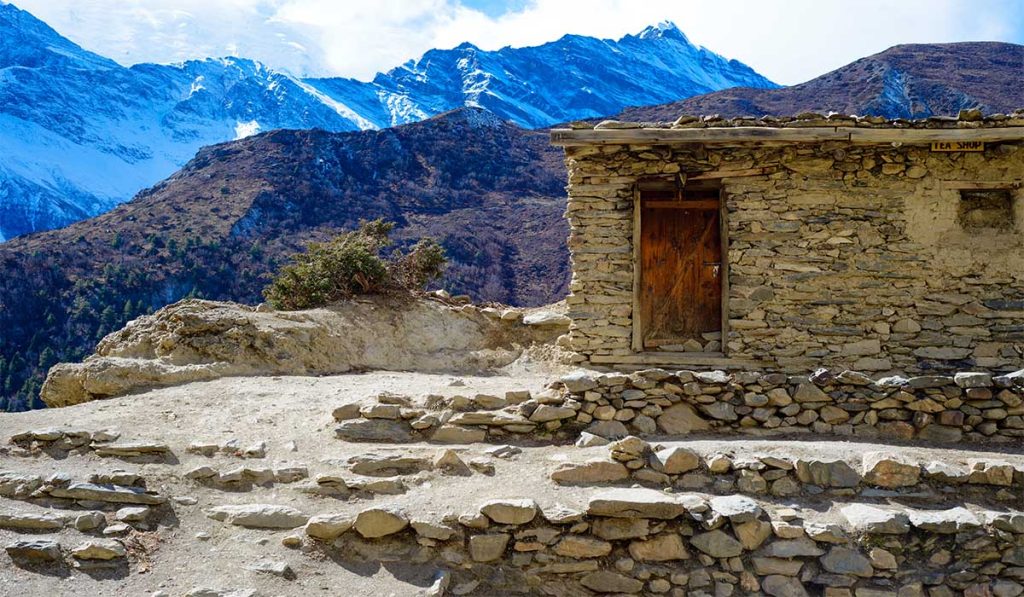
Altitude is one of the major factors contributing to the difficulty of the Annapurna Circuit, while a lack of proper acclimatization adds to that. Many trekkers say the Annapurna Circuit only started feeling truly difficult after Manang. Up to that point, the walking often feels fairly manageable. Higher up, though, the altitude changes the pace of everything. The pace reduces, and one needs to stop more often because even short climbs can feel surprisingly tiring. Seasonal weather can change Annapurna Circuit difficulty quite a bit, especially near Thorong La Pass.
Where Altitude Starts to Matter
First, many people notice the altitude around Manang. Breathing feels a little heavier, sleep can become restless, and uphill sections take more effort than before.
The effect usually becomes stronger on the way to Yak Kharka, Thorong Phedi, and High Camp. By the time trekkers are heading toward Thorong La Pass, almost everyone is walking more slowly than they were earlier in the trek.
Altitude affects people differently. Some feel fine most of the way, while others notice symptoms even when they are walking carefully and staying hydrated.
Why Manang Is Important for Acclimatization
Most Annapurna Circuit itineraries include an extra day in Manang for acclimatization, and there is a good reason for that. The body needs time to adjust as the elevation increases. Taking a rest day in Manang helps many trekkers adapt before going higher toward Thorong Phedi and Thorong La Pass.
People often use the acclimatization day for a short hike above Manang before returning to sleep lower down. That gradual adjustment usually feels much easier on the body than gaining altitude too quickly.
Altitude Sickness On The Annapurna Circuit
Altitude sickness can happen to anyone on the Annapurna Circuit, including fit trekkers.
Common symptoms of altitude sickness on the Annapurna Circuit include:
- Headache
- Nausea
- Dizziness
- Loss of appetite
- Poor sleep
- Unusual tiredness
Mild symptoms sometimes improve with rest, hydration, and slower walking. But symptoms should never be ignored once they start getting worse.
When To Take Symptoms Seriously
Altitude sickness is not something people should try to dismiss. If headaches become severe, breathing feels difficult even while resting, or someone starts feeling dizzy, confused, or unable to walk properly, going higher is a bad idea. The safest response is usually to descend and get medical help if needed.
Every year, trekkers get into trouble because they keep pushing toward the pass even when their bodies are clearly struggling with the altitude.
Walking Hours and Trail Conditions
The Annapurna Circuit is not a sprint. Most days are long enough to leave people tired by evening, especially once the altitude starts building up.
Typical Walking Hours
Most trekkers walk around 5 to 7 hours a day on the Annapurna Circuit. Some days are shorter, while others can stretch much longer depending on the itinerary, weather, and where the day starts.
The day between Thorong Phedi, or High Camp, and Muktinath is usually the longest and most tiring. On easier days, lower down the trail, the walking can feel much more relaxed, with plenty of stops in villages along the way.
Trail Surface And Daily Effort
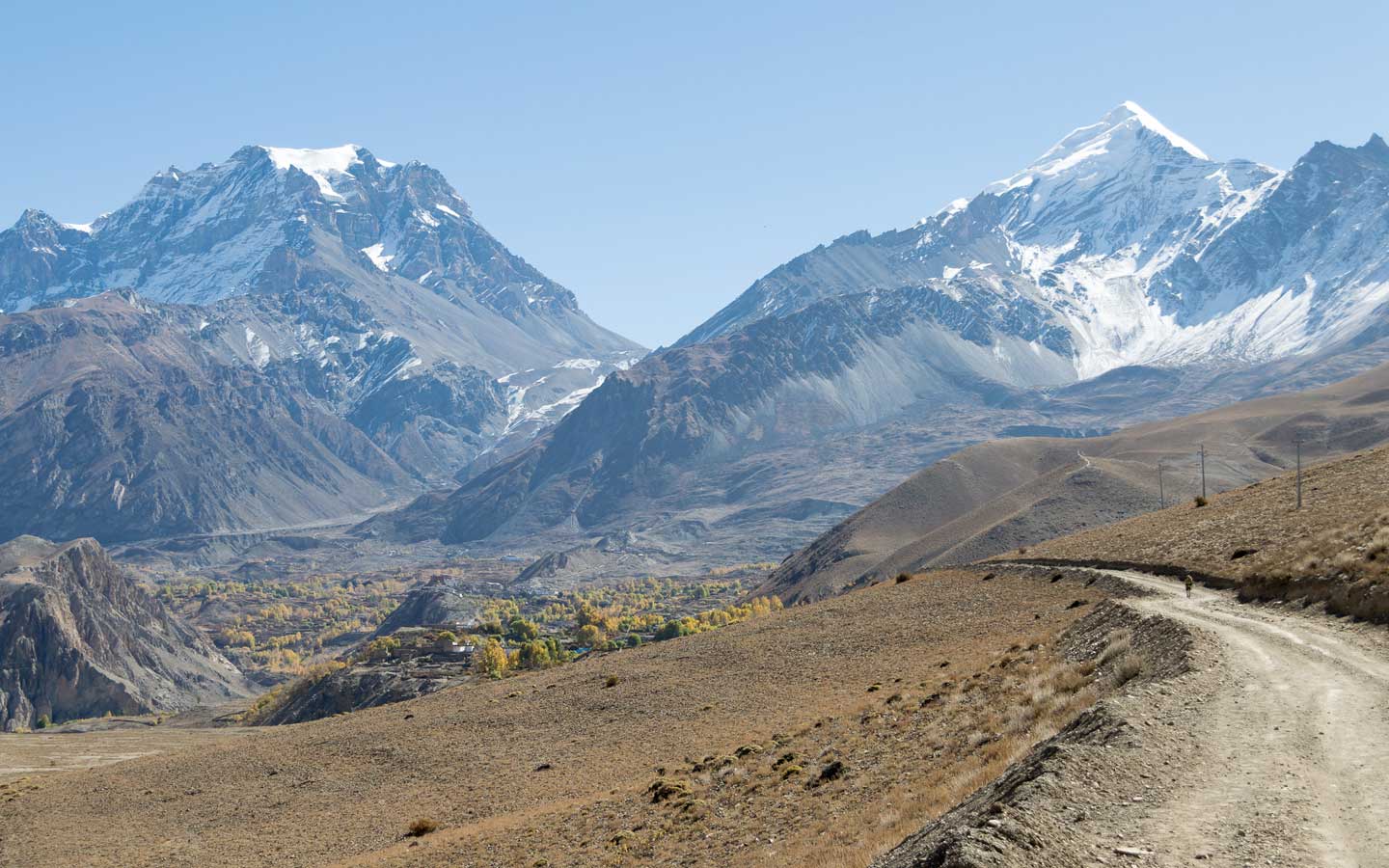
The trail changes constantly throughout the Annapurna Circuit. Some stretches feel effortless and comfortable, while others can feel slow and tiring after a few hours of walking.
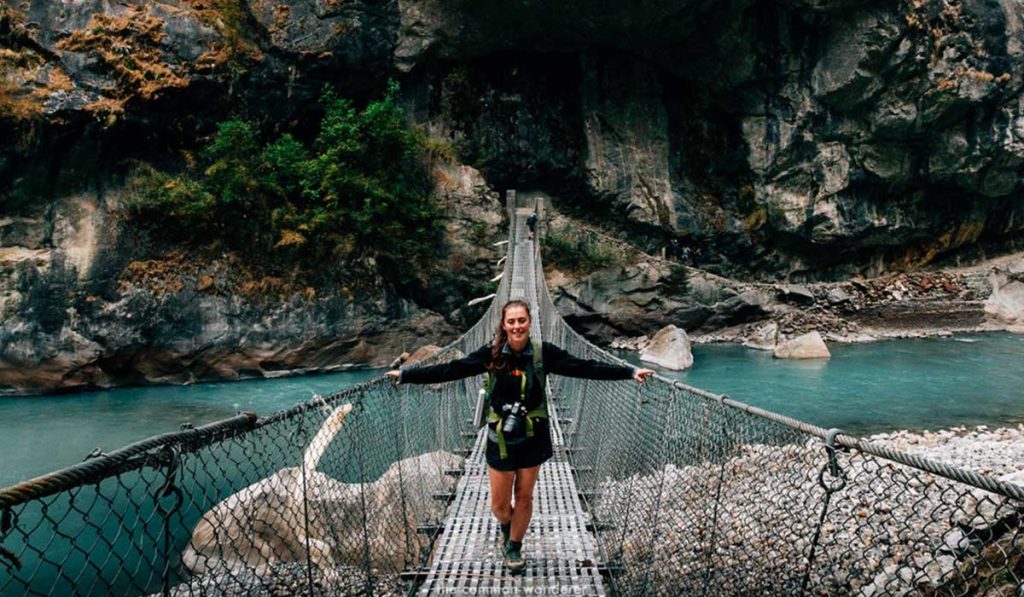
Along the route, trekkers usually come across:
- Forest trails and village paths
- Long stone staircases in some sections
- Suspension bridges over rivers
- Dusty jeep-road stretches here and there
- Rougher, steeper trails closer to Thorong La Pass
Many people are surprised that the trek is not always steep. What usually makes it tiring is having to wake up and walk again every day, especially once the altitude starts kicking in. Even gradual uphill walking can start feeling tiring after several days on the trail.
Long descents also catch many people off guard, especially around Muktinath, where knees and legs usually feel the strain.
Why Pace Matters More Than Speed
Many people begin the trek walking too fast, especially in the lower sections where the altitude is not yet noticeable.
Higher up, that usually changes on its own. Above Manang, most trekkers naturally slow down because breathing takes more effort. A slow, steady pace is normally much more comfortable than trying to rush between villages.
People who pace themselves well often finish the trek feeling stronger than those who try to move quickly every day.
Annapurna Circuit Difficulty By Season
The Annapurna Circuit can feel completely unique depending on the time of year. A trail that feels comfortable in October may feel entirely different during winter snow or monsoon rain.
Seasonal Difficulty on the Annapurna Circuit
| Season | What Usually Feels Difficult |
| Spring | Busy trails, changing mountain weather, colder air higher up |
| Monsoon | Wet trails, muddy sections, leeches, landslide-prone areas |
| Autumn | Crowds during peak weeks, colder nights later in the season |
| Winter | Snow near the pass, icy sections, freezing mornings, and weather delays |
Spring Difficulty
Trekkers choose spring because the conditions are usually more comfortable for walking than winter or monsoon. Days are often mild in the lower villages, and the trail has more movement compared to quieter months.
Still, spring is not always predictable in the mountains. The weather can change quickly once you ascend higher than Manang, and mornings near Thorong Phedi or High Camp still feel cold. Earlier in the season, some trekkers may also run into leftover snow around the Thorong La Pass. Furthermore, busy trails can make teahouses crowded in popular villages like Manang.
Monsoon Difficulty
Monsoon makes the Annapurna Circuit feel harder in an entirely different way.
Lower sections of the trail can become muddy and slippery after rain, while clouds often block mountain views for days at a time. Landslides and wet trail conditions can also slow travel in some areas.
Leeches are common in forested lower sections during heavy rain, especially earlier in the trek.
Autumn Difficulty
Autumn is another popular trekking season because the skies are often clearer after the monsoon.
The walking conditions are usually good, but the trail can feel crowded during October and early November. Teahouses fill up quickly in busy periods, and nights become noticeably colder later in the season, especially above Manang.
Winter Difficulty
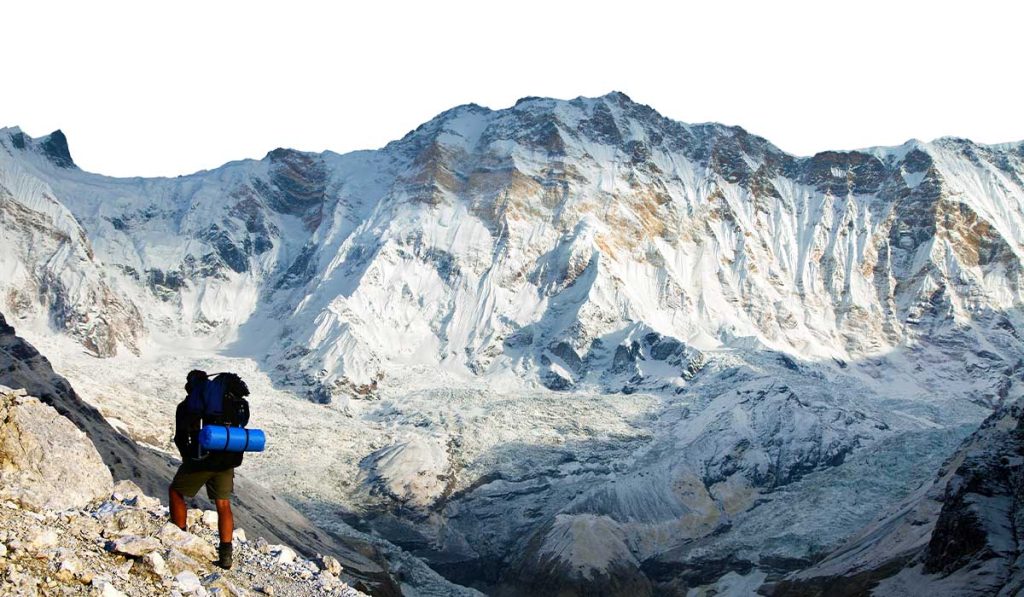
Winter is usually the most difficult season on the Annapurna Circuit. Higher sections near Thorong La Pass often get snow and ice, which can slow walking and make some days much colder than people expect. Strong winds and freezing morning temperatures are common around High Camp and the pass itself.
In heavy snowfall, the pass may become difficult, closed, or temporarily unsafe to cross.

Hardest Parts of the Annapurna Circuit
The Annapuran Circuit route starts to feel most challenging around Thorong La Pass, though the altitude and long days on foot affect people in different ways.
The Climb Toward Thorong La Pass
For many people, the hardest stretch begins above Thorong Phedi and High Camp, where the trail starts climbing toward Thorong La Pass. The trail climbs steadily toward Thorong La Pass, and the thin air makes even slow walking feel tiring. Trekkers tend to stop more often for breath here than anywhere else on the route.
The Early Morning Cold
Pass day—the day you cross the Thorong La Pass—starts very early, often before sunrise. Near High Camp and Thorong Phedi, mornings can feel bitterly cold, especially during late autumn and winter. You will need gloves, layers, and a headlamp because you usually spend the first few hours walking in darkness and freezing wind.
The Descent To Muktinath
Many people think the challenging part ends at the top of the pass, but the long walk down to Muktinath can feel just as exhausting. By the time people start descending toward Muktinath, their legs are usually already exhausted from the climb to the pass.
Sleeping And Walking At High Altitude
Higher up the trail, even simple things can start feeling harder than usual.
Trekkers often deal with:
- Restless sleep
- Headaches or low appetite
- Slower walking pace
- Tiredness that builds over several days
The fatigue becomes more noticeable after Manang and closer to Thorong La Pass.
Long Consecutive Walking Days
The Annapurna Circuit is difficult not because of a single climb. For many people, the challenge builds slowly after walking day after day without much recovery time.
Even easier sections can feel draining after a week on the trail.
Weather Changes
Weather can make the trek significantly harder, especially during winter and monsoon. Winter usually makes the pass section harder because of snow, ice, and freezing mornings. During the monsoon, the lower trail can get messy with rain, mud, and occasional landslides after heavy weather.
How To Prepare For The Annapurna Circuit
The Annapurna Circuit feels much easier when your body is already used to regular walking before the trek begins. You do not need extreme training, but a little preparation goes a long way once the long days and altitude start adding up.
Start Training Before the Trek
A few weeks of basic training can make a noticeable difference on the trail.
Things that usually help include:
- regular walks or short hikes
- stair climbing
- uphill walking
- cycling, jogging, or light cardio
- leg-strength exercises
The goal is not to get “super fit.” But it is to make long walking days feel less exhausting.
Practice Walking With A Daypack
A small backpack can feel surprisingly heavy after several hours on the trail. Before coming to Nepal, it helps to do a few walks carrying the same kind of weight you expect to bring on the trek. That allows your shoulders, back, and legs to adjust naturally.
There is no need to overtrain. Even consistent light preparation helps more than doing one very hard workout occasionally.
Prepare For Cold And Altitude
Many trekkers focus only on fitness and forget about cold weather and altitude. Higher sections near Thorong Phedi and High Camp can feel extremely cold in the morning, especially during autumn and winter. Warm layers, proper hydration, enough rest, and a slow pace usually matter more than people expect. Trying to rush at altitude rarely works well on the Annapurna Circuit.
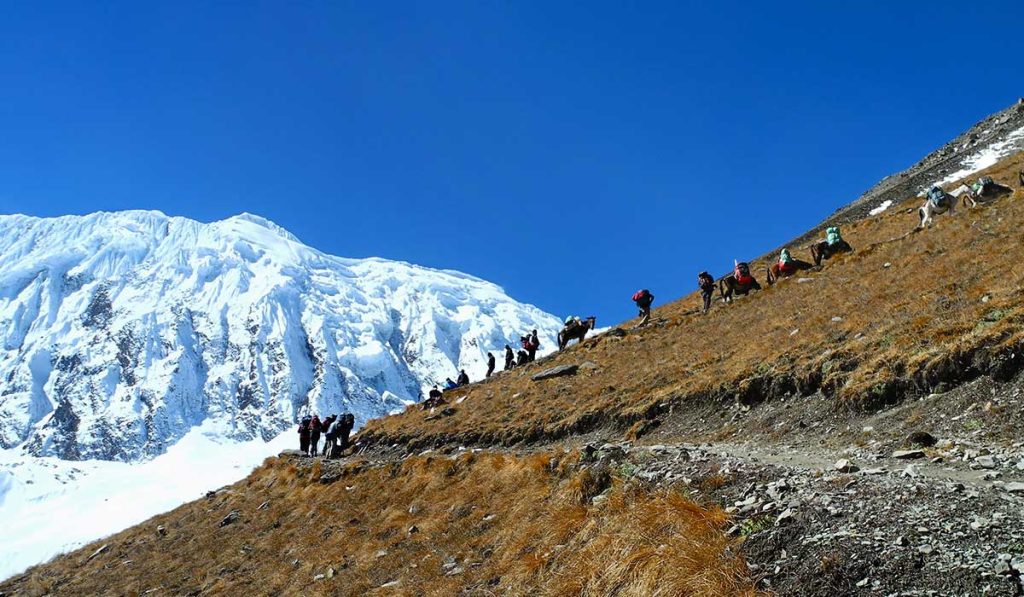
Tips to Make the Annapurna Circuit Less Difficult
A few small decisions on the trail can make the Annapurna Circuit feel much more manageable, especially once you get into the higher sections.
- Walk slowly once you get above Manang. Most people naturally slow down at altitude, and trying to keep the same pace usually backfires.
- Take acclimatization days seriously, even if you feel fine at first. A rest day in Manang helps many trekkers adjust before heading higher.
- Do not skip rest just to save time. Rushed itineraries are one of the main reasons people struggle near Thorong La Pass.
- Drink water regularly throughout the day. Dehydration often feels worse at altitude.
- Keep your backpack as light as possible. Even a few extra kilos start feeling noticeable after several long days.
- Eat properly, even when your appetite drops at higher elevations. Your body still needs energy for the climb.
- Start early on longer days, especially the Thorong La crossing. Mornings are usually calmer and more predictable for walking.
- Listen to guides and local advice. They usually notice altitude problems earlier than trekkers do themselves.
- Do not ignore serious altitude symptoms or try to push through them just to stay on schedule.
Who May Find the Annapurna Circuit Too Difficult?
The Annapurna Circuit is possible for many people, including beginners, but it is not the right trek for everyone.
People with very low fitness often struggle. The trek especially tires those who are not used to walking several hours a day or spending long periods on uneven trails.
Likewise, those people who already have health problems sometimes find the trek much more tiring than expected, especially once the altitude, cold mornings, and long descents start putting stress on the body. If there are any medical concerns before the trip, it is safer to speak with a doctor first.
None of this means the trek is impossible. It simply means the Annapurna Circuit is much safer and more enjoyable when people prepare properly and give themselves enough time to adjust to the altitude.
Before You Decide to Do the Trek
The Annapurna Circuit gets noticeably harder after Manang, when the altitude, cold mornings, and long walking days start catching up with most trekkers.
Many beginners complete the route every year, especially when they train a little beforehand and give themselves enough time to acclimatize. At the same time, you should not underestimate or rush this trek.
Most people find that the real challenge starts after Manang, when the thinner air slows everything down. By the time trekkers reach Thorong Phedi, High Camp, and Thorong La Pass, patience and pacing matter more than speed.
With sensible preparation and a realistic itinerary, like the ones prepared by the Radiant Treks, the Annapurna Circuit is difficult but very achievable.

Frequently Asked Questions (FAQs)
How Hard Is The Annapurna Circuit?
Most trekkers consider the Annapurna Circuit tiring rather than technical. For people wondering how hard the ACT trek is, the real challenge usually starts after Manang, when the altitude and long days on foot begin slowing people down.
Can Beginners Do The Annapurna Circuit?
Yes, many beginners complete the trek every year. The people who usually do well on the trail are the ones who walk slowly. Similarly, they also take acclimatization seriously and do not rush toward Thorong La Pass.
What Do Most People Find Hardest On The Annapurna Circuit?
For most people, the toughest section is crossing Thorong La Pass. The climb starts early, the air is thin, and the descent to Muktinath feels long on tired legs.
How Fit Do You Need To Be?
You do not need to be super fit for the Annapurna Circuit, but long days of walking should not feel completely unfamiliar before the trek begins. Even regular walks, stairs, or short hikes beforehand usually help a lot.
Is Thorong La Pass Dangerous?
The pass is not technical, but altitude, snow, cold wind, and exhaustion can make it risky if trekkers move too fast or ignore symptoms.
How Many Hours Do You Walk Each Day?
Most days involve around 5 to 7 hours of walking, although the Pass day is usually longer.
Is Altitude Sickness Common?
Yes, it is fairly common. And this is especially true in the case of those people who ascend quickly without taking proper rest days to acclimatize. Early signs are usually headaches, loss of appetite, poor sleep, tiredness, or feeling unusually weak once you get higher up the trail.
Is The Annapurna Circuit Harder In Winter?
Yes, the Annapurna Circuit difficulty increases in winter because this season brings colder temperatures, icy trails, snow near the pass, and occasional weather delays around Thorong La Pass.